

Why Have Your Collection Photographed
Some specimens are too fragile to be handled often. Human perspiration is slightly acidic. Repeated contact leaves permanent traces on certain mineral surfaces. Certain pieces degrade under prolonged light exposure. As a result, the specimen stays where it belongs: in its case, not in circulation.
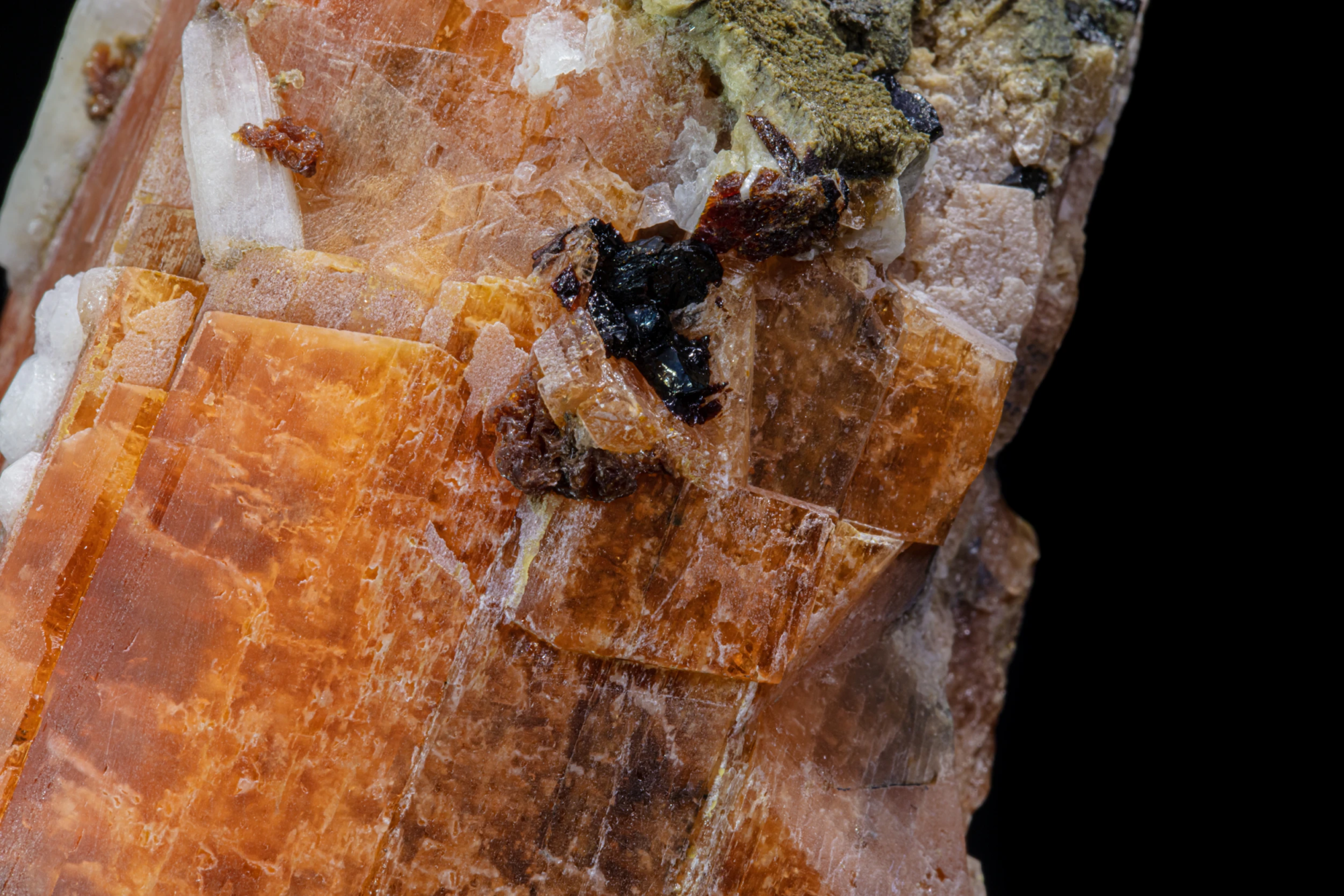
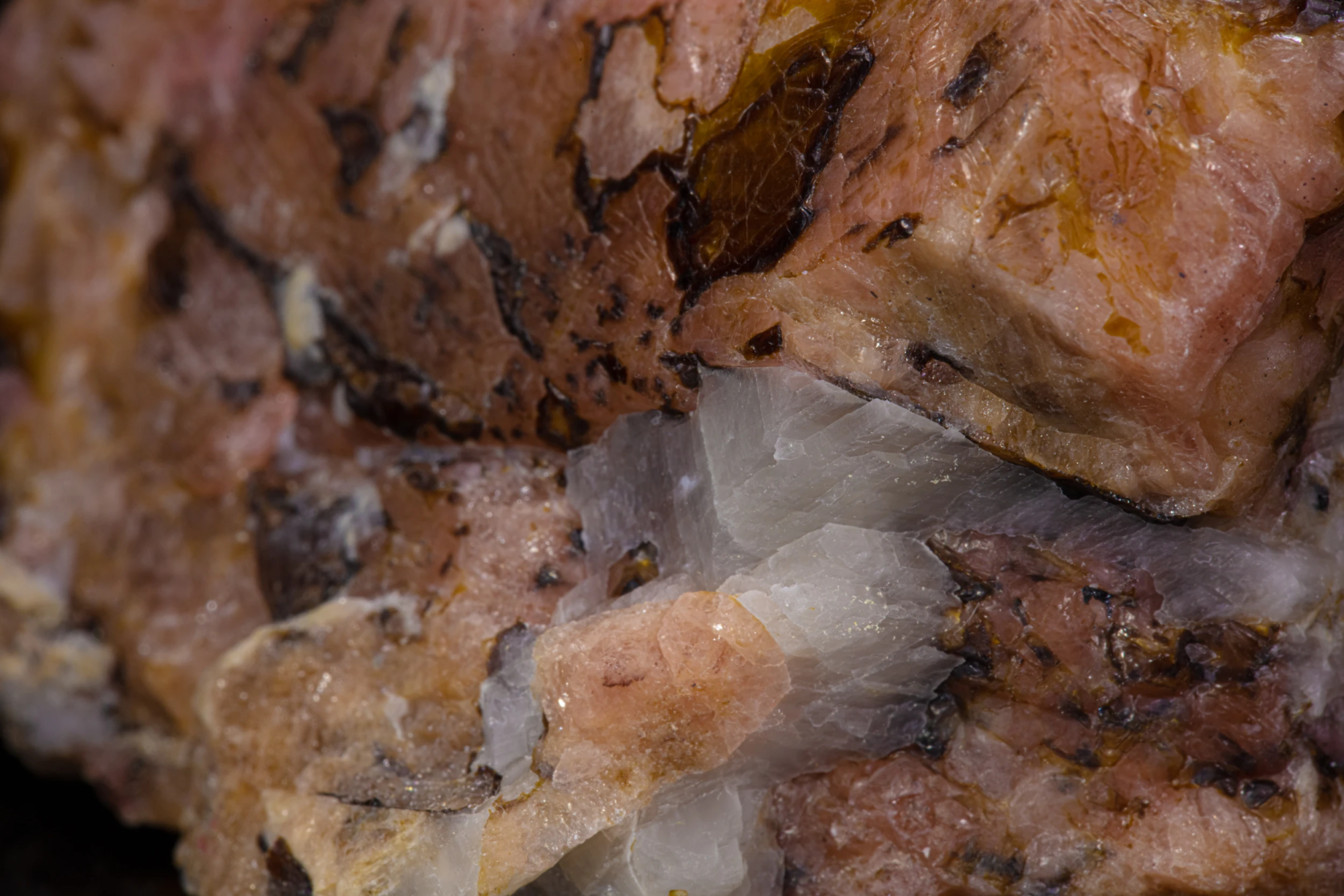
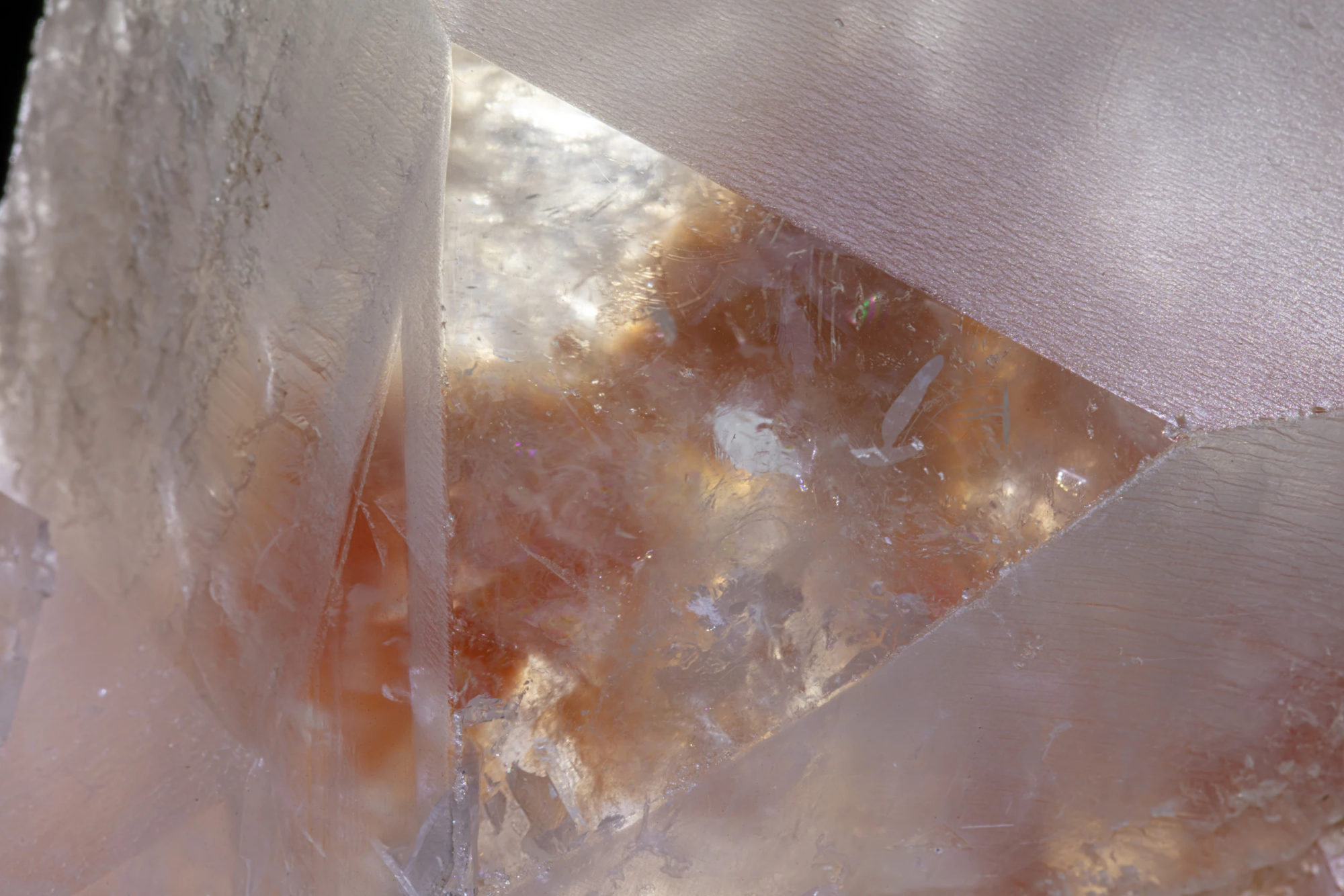
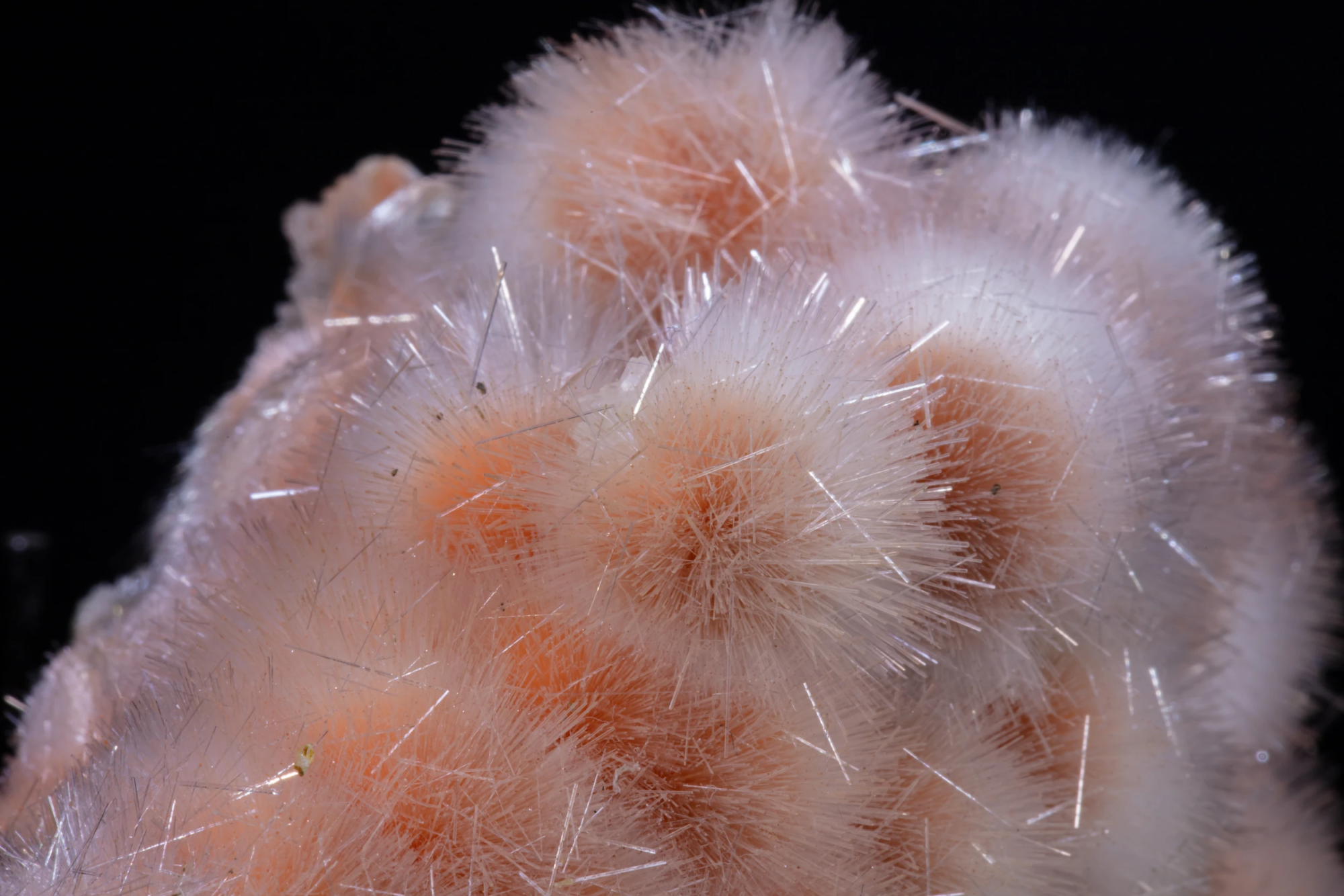
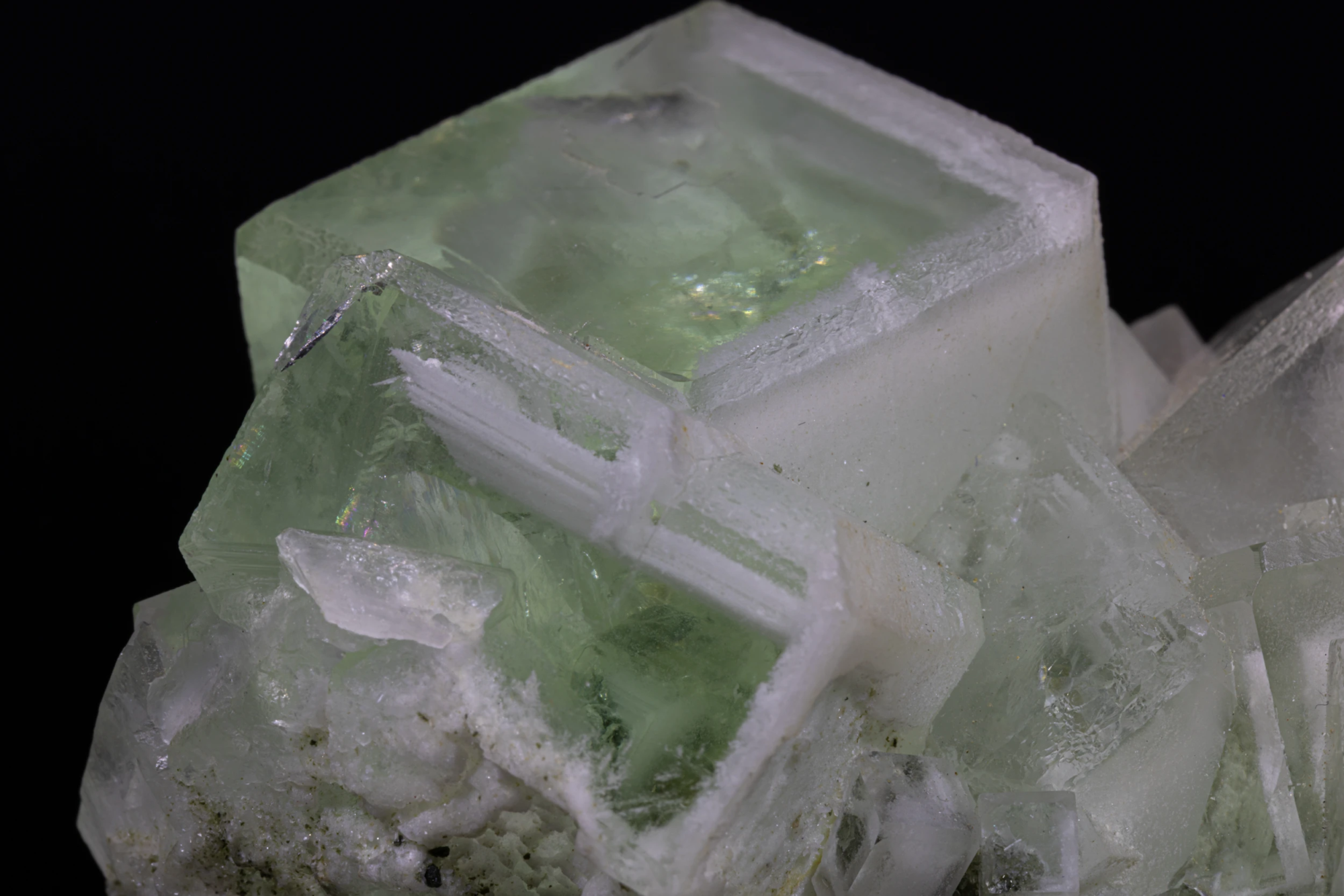
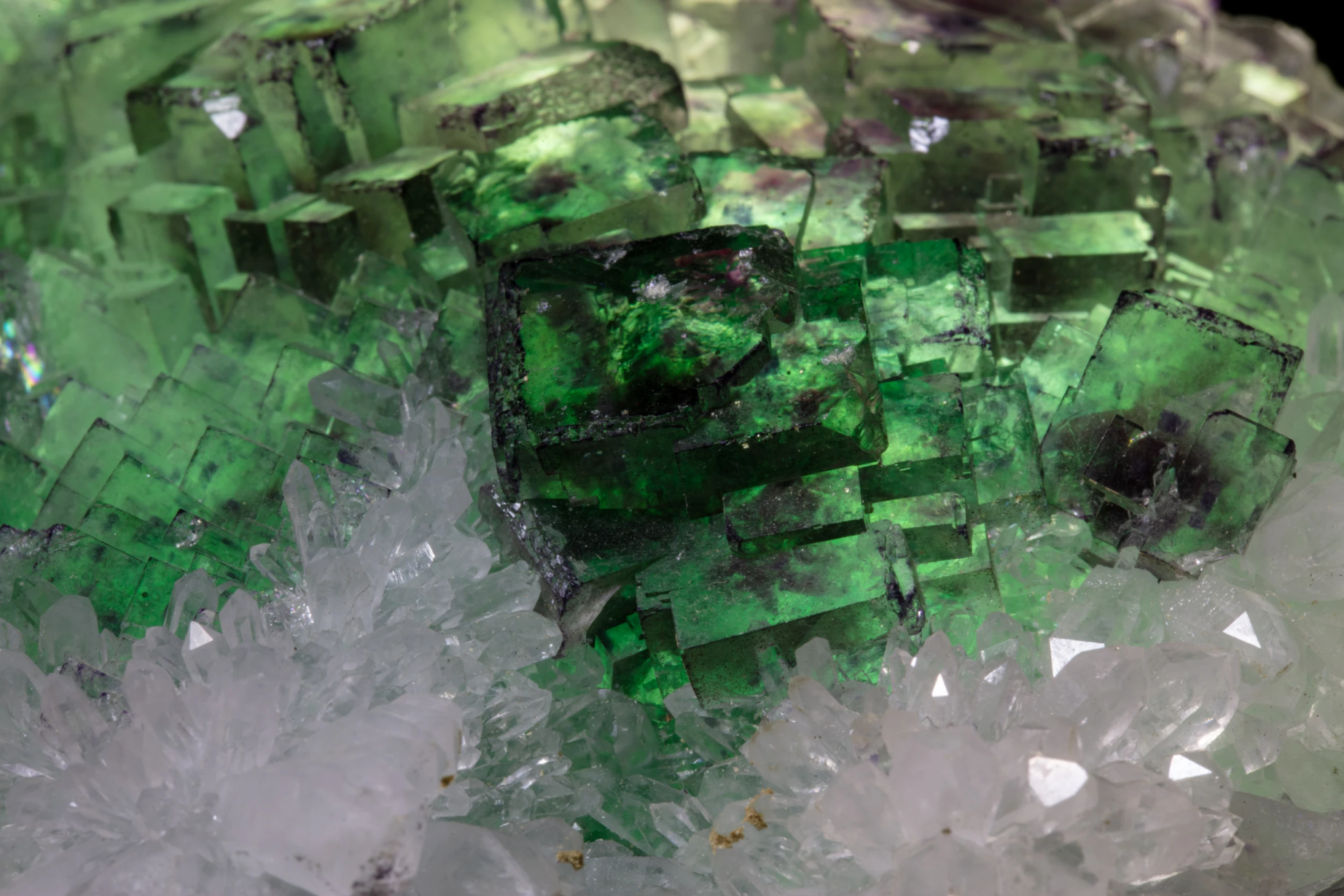
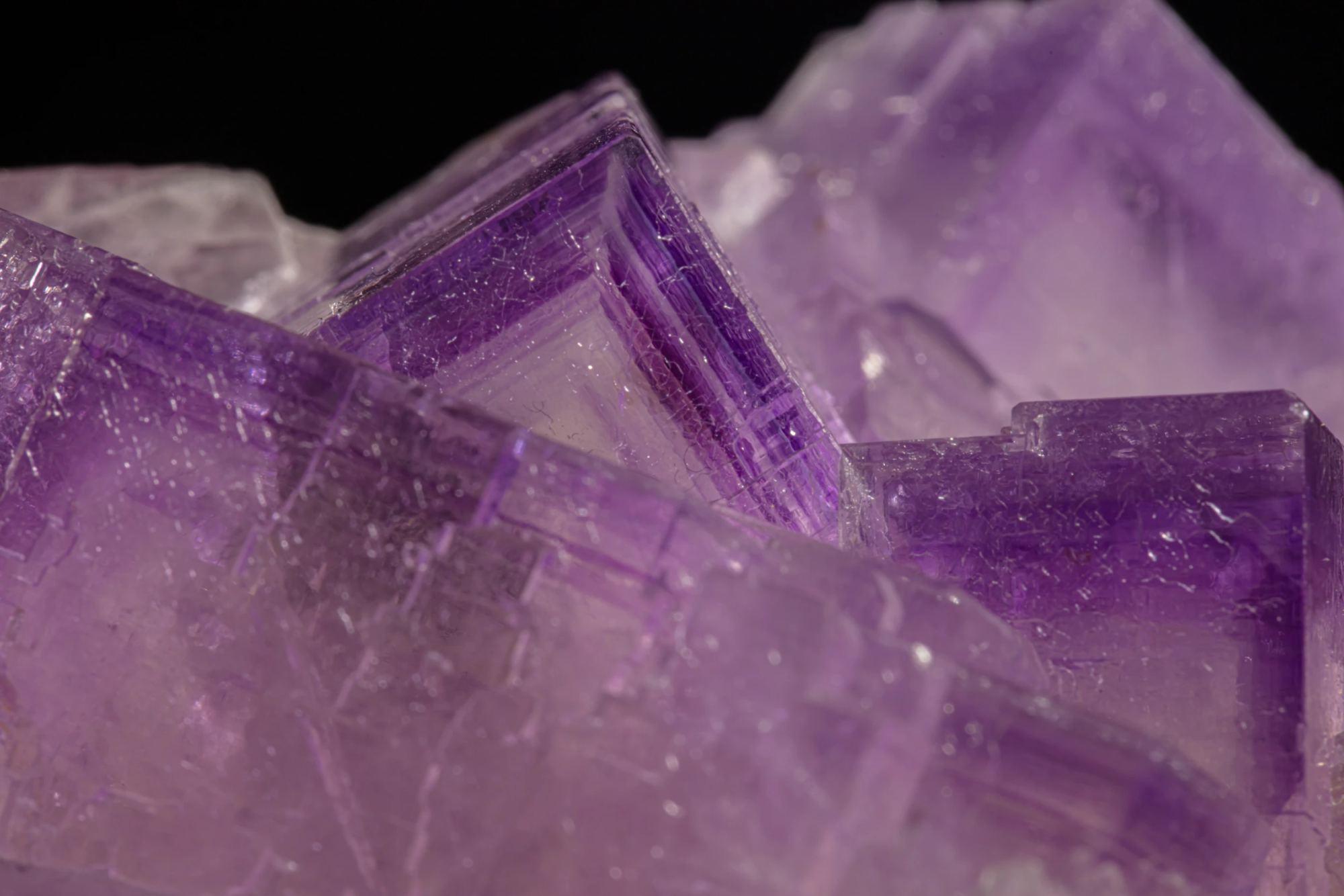
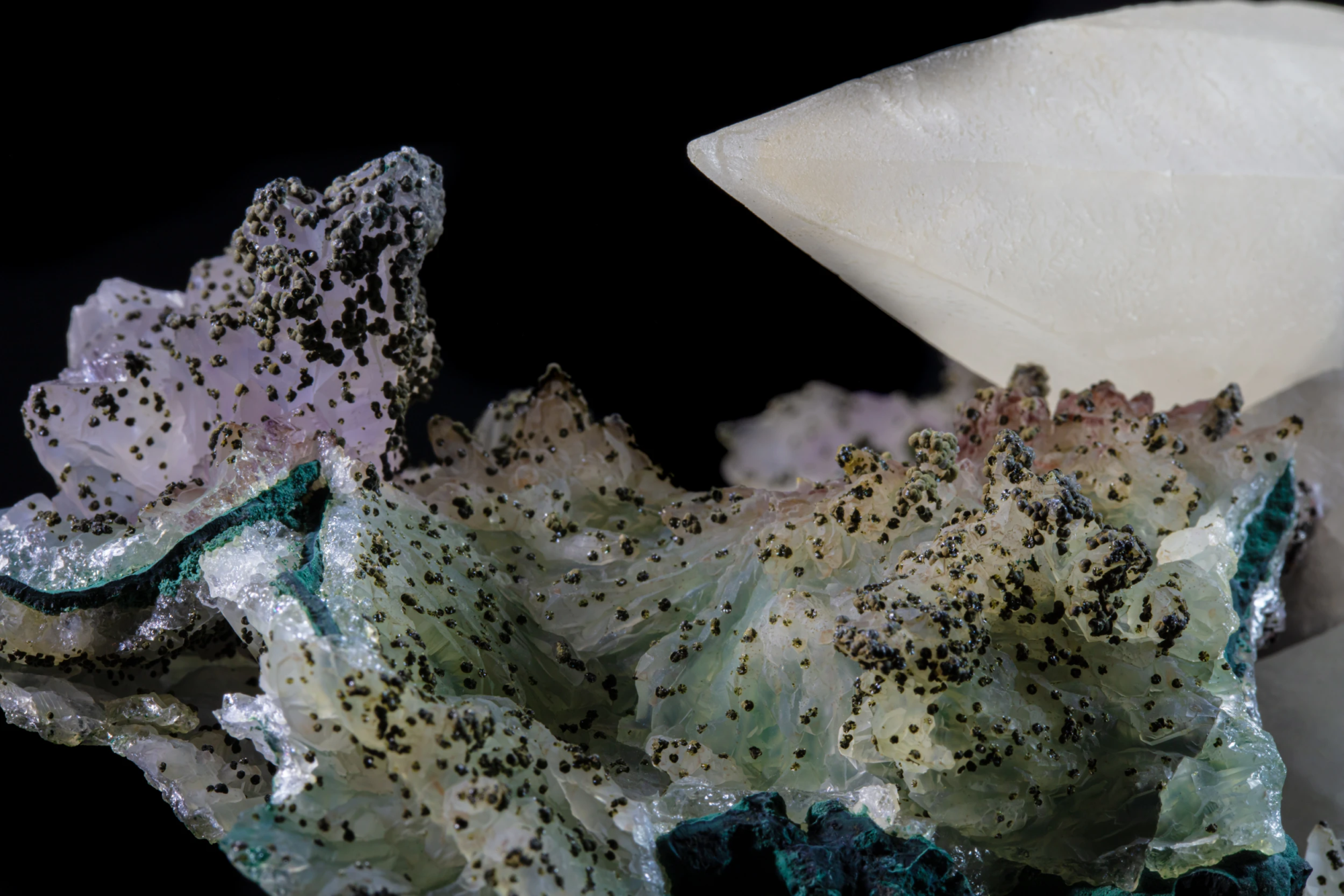
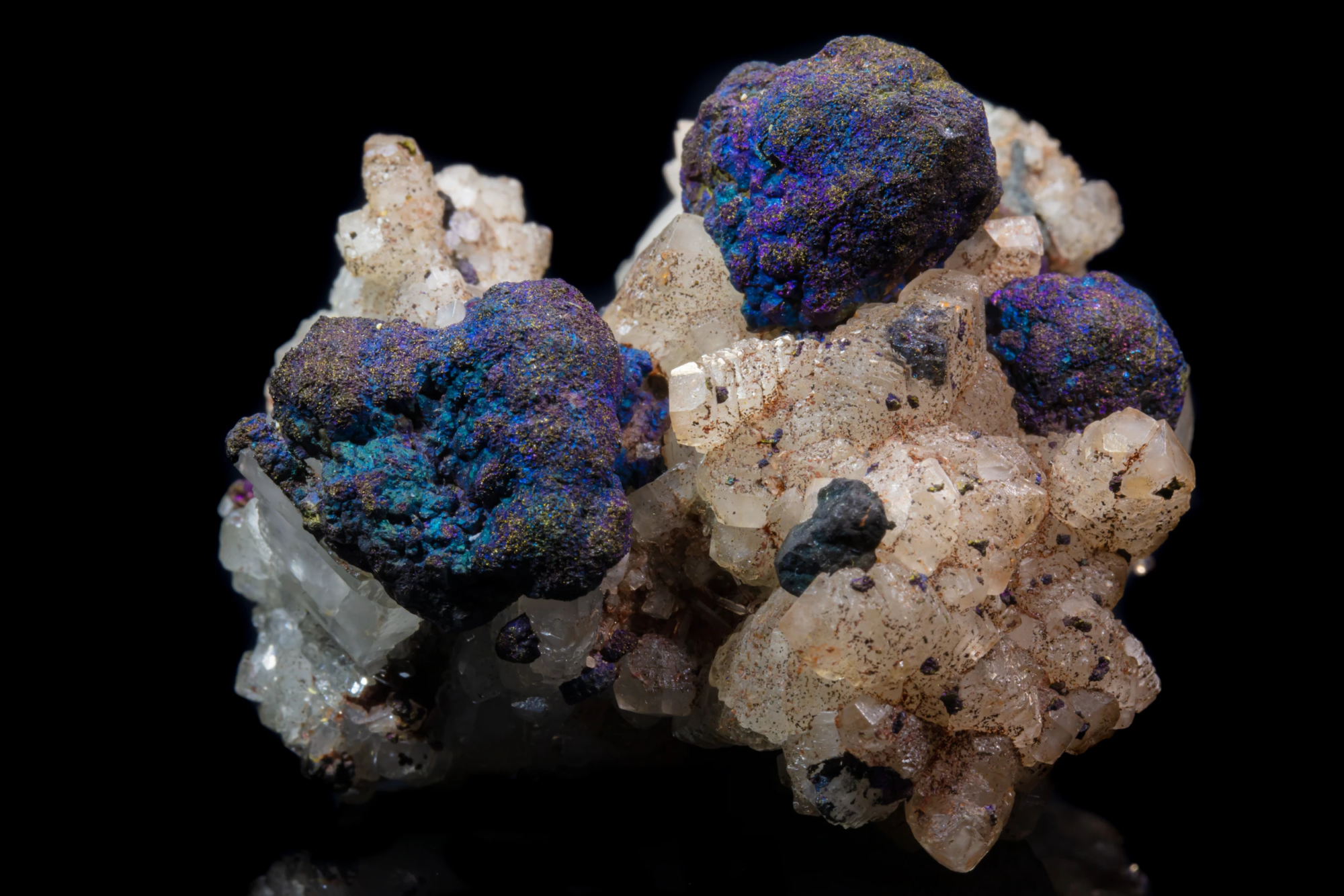
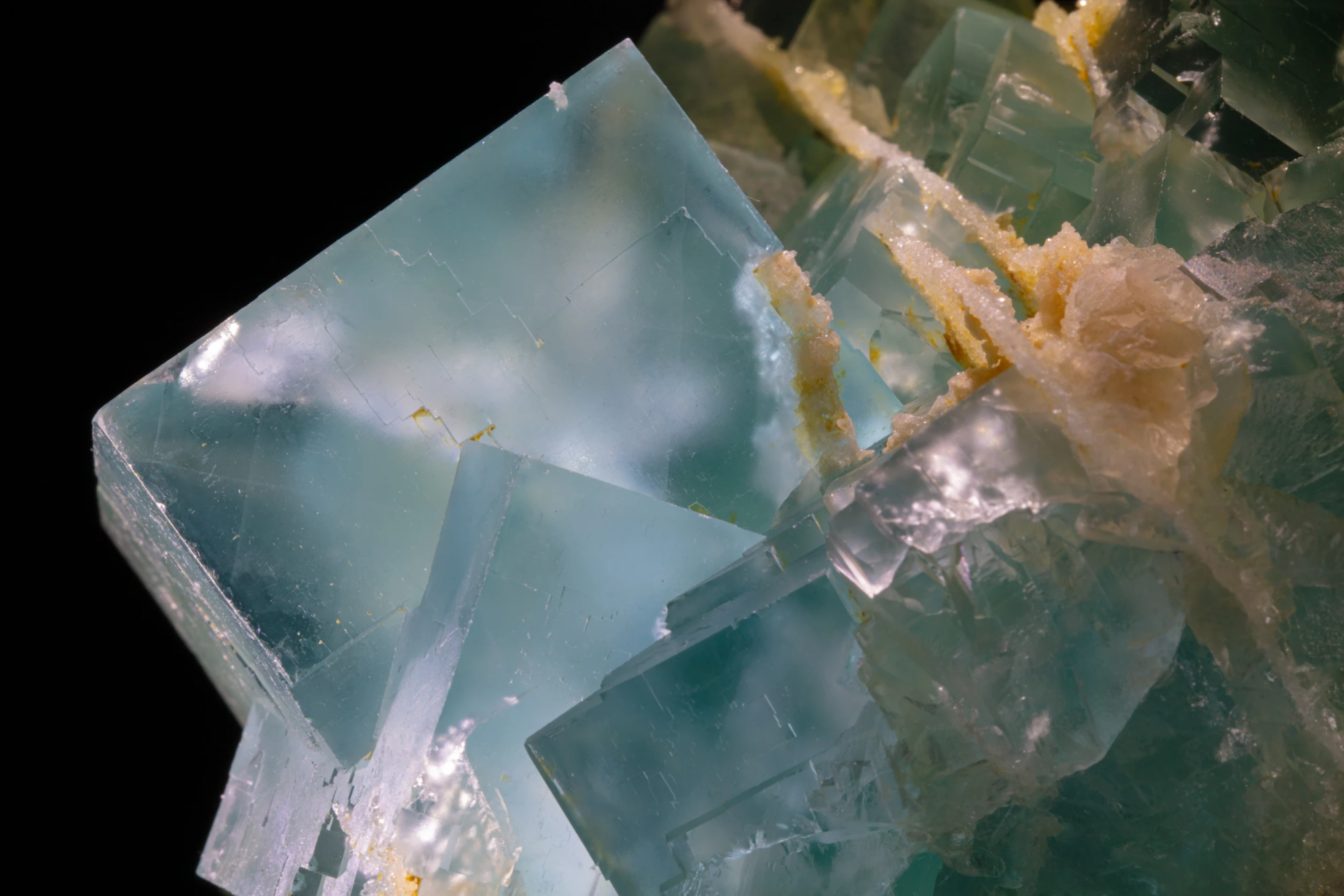
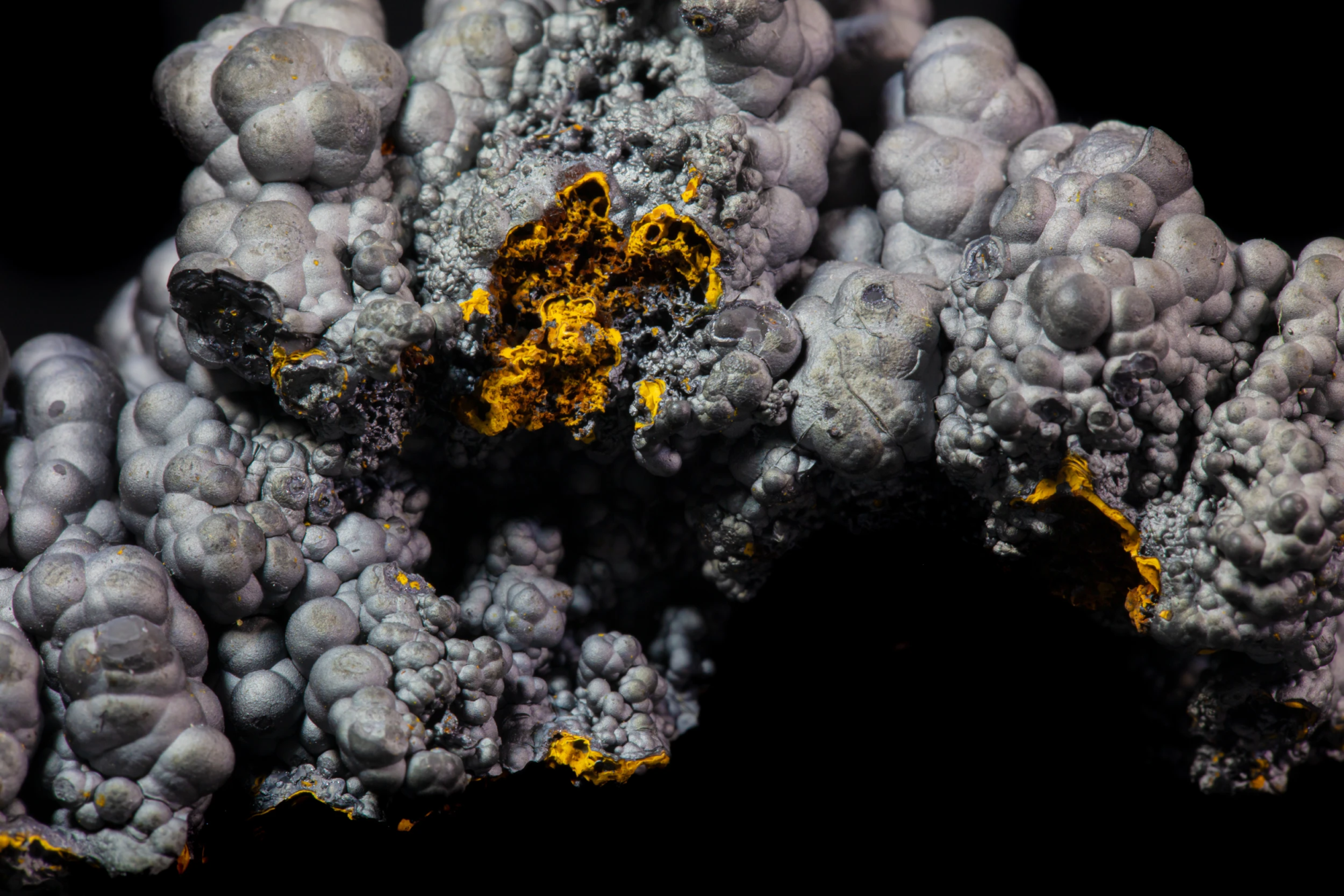
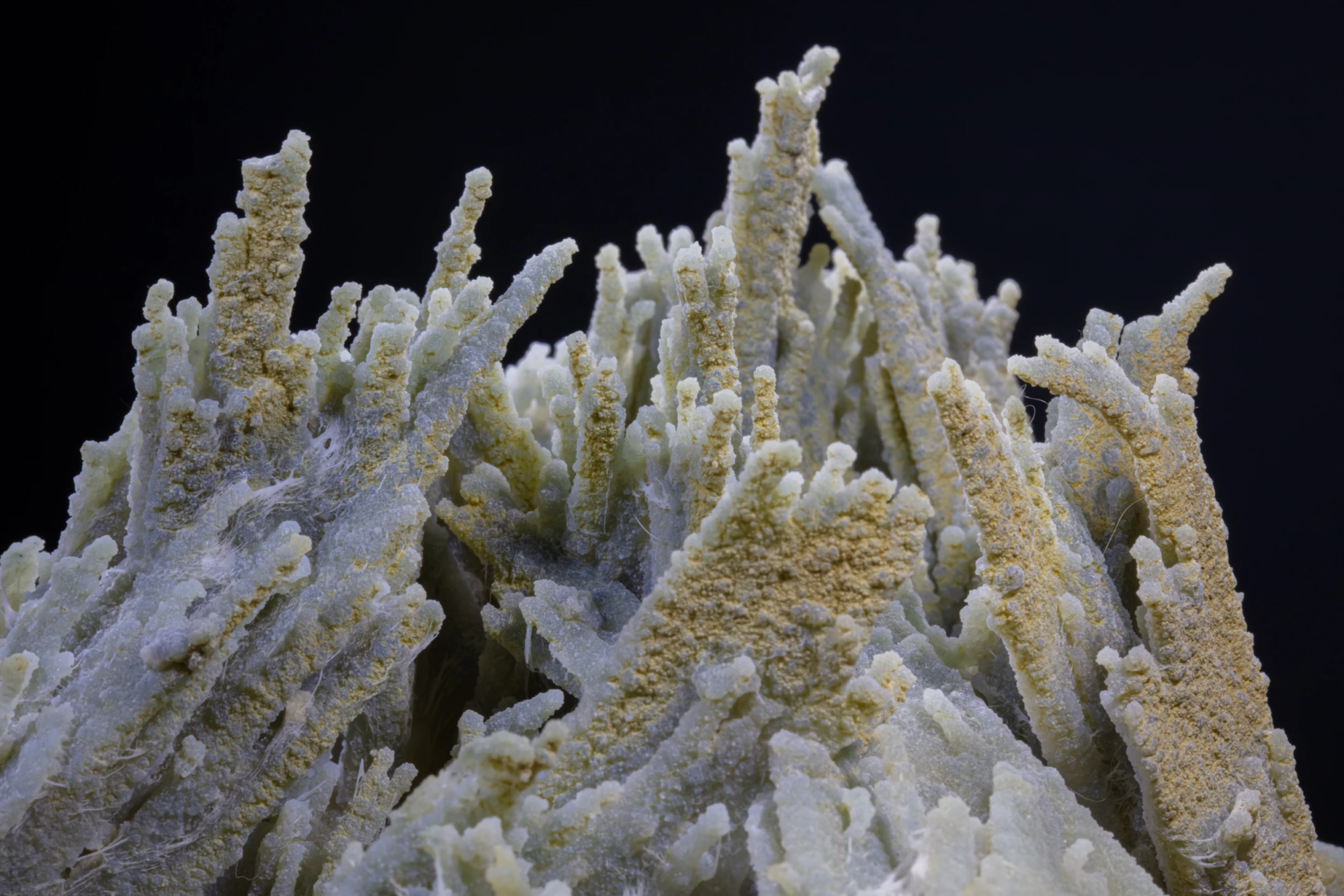
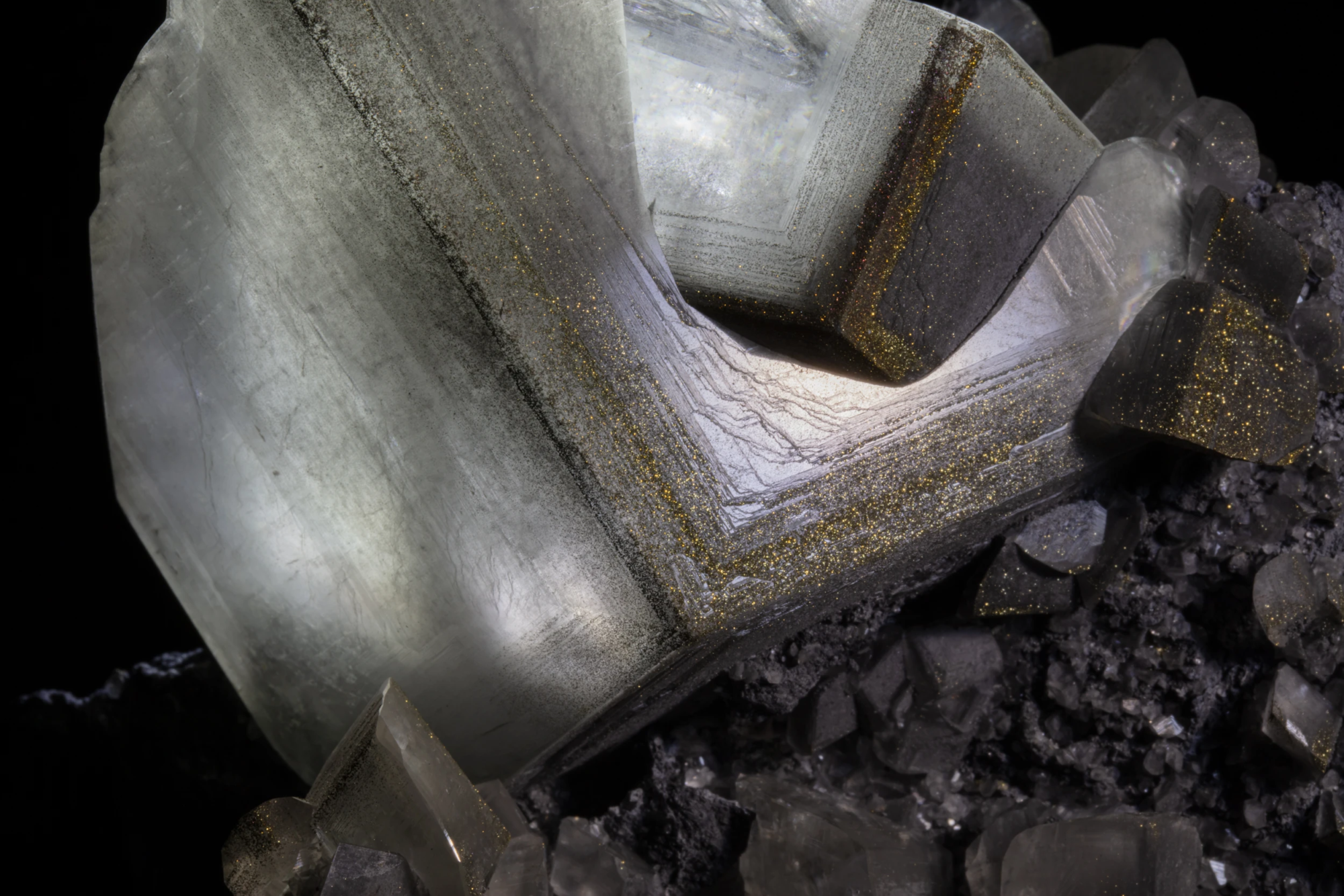
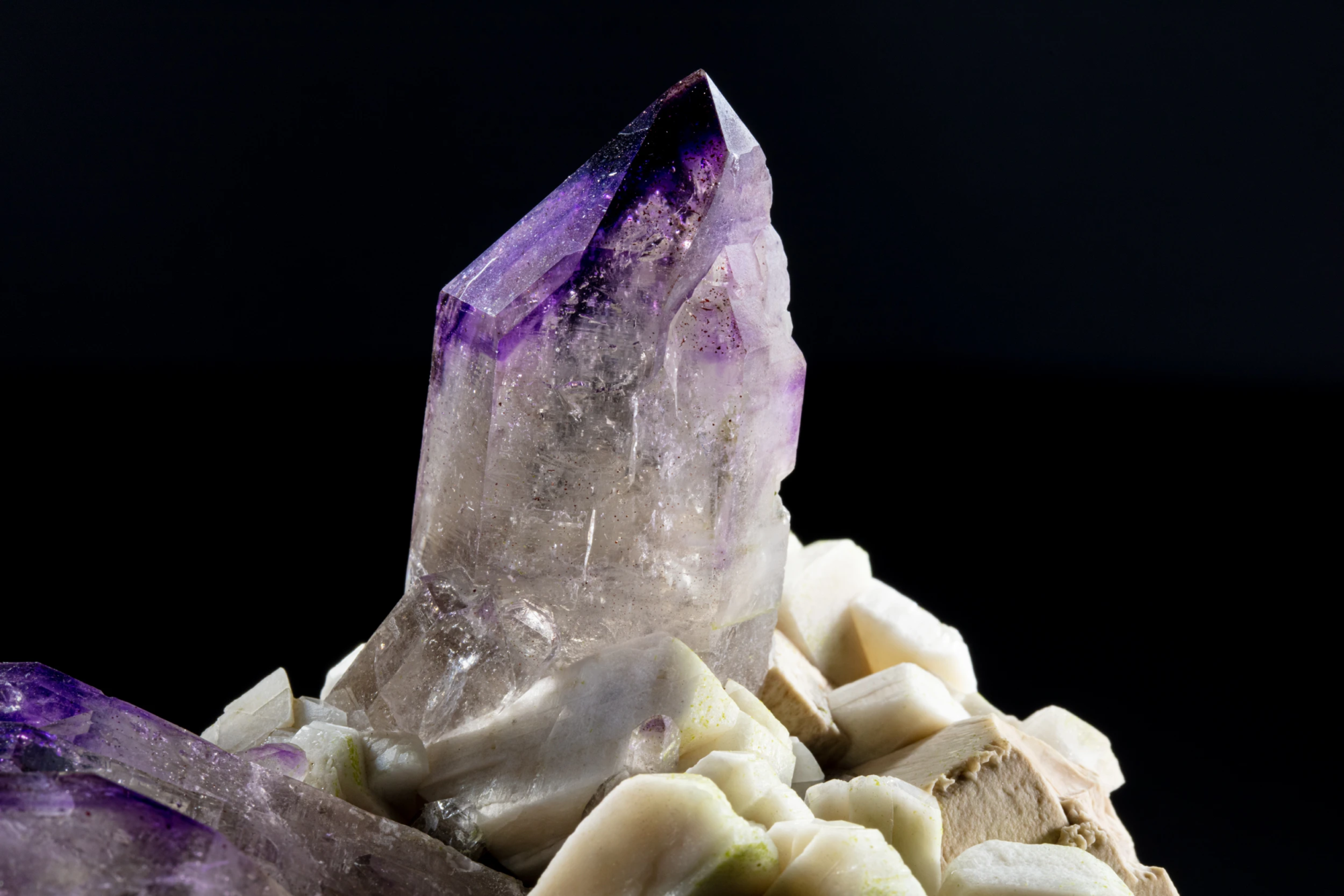
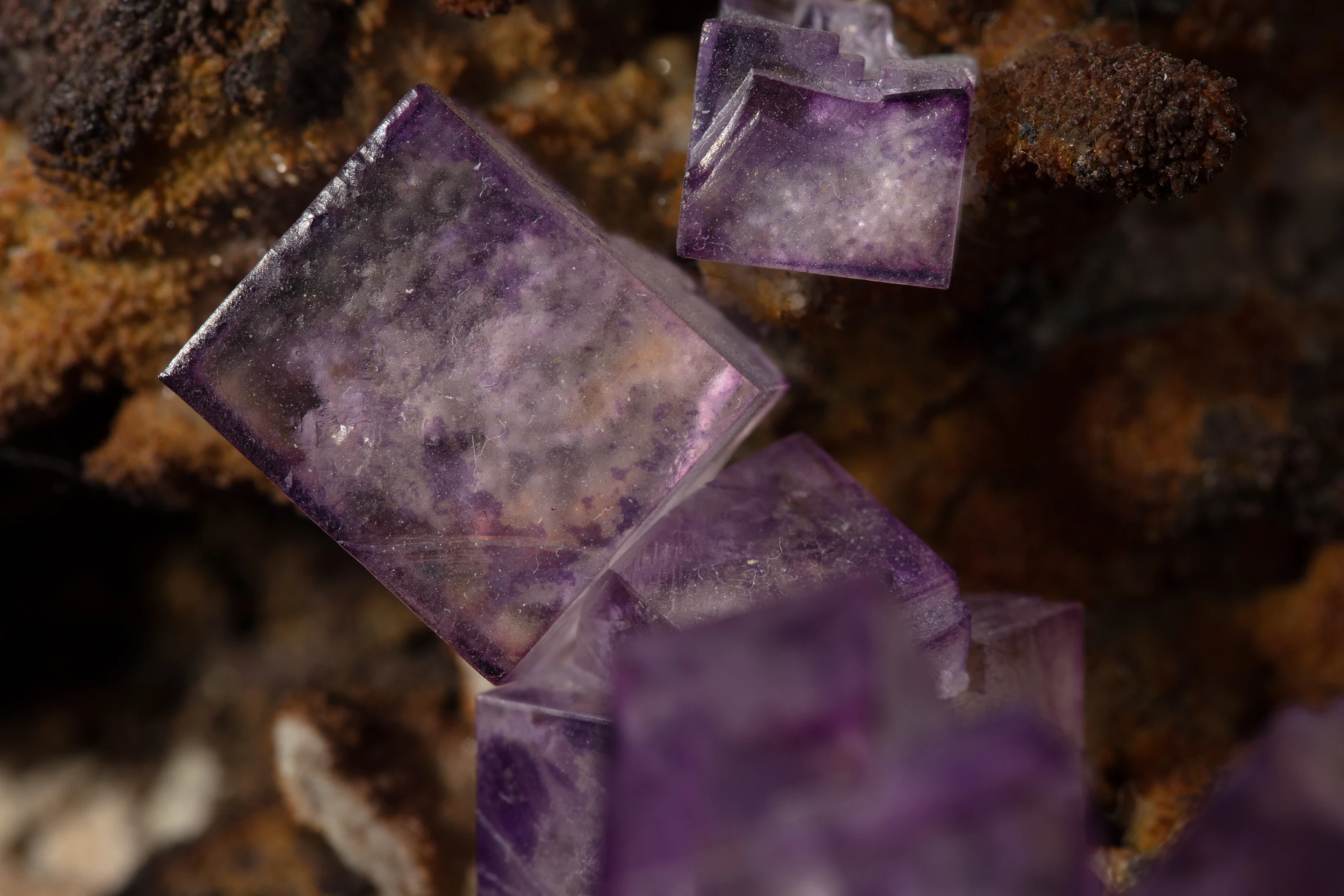
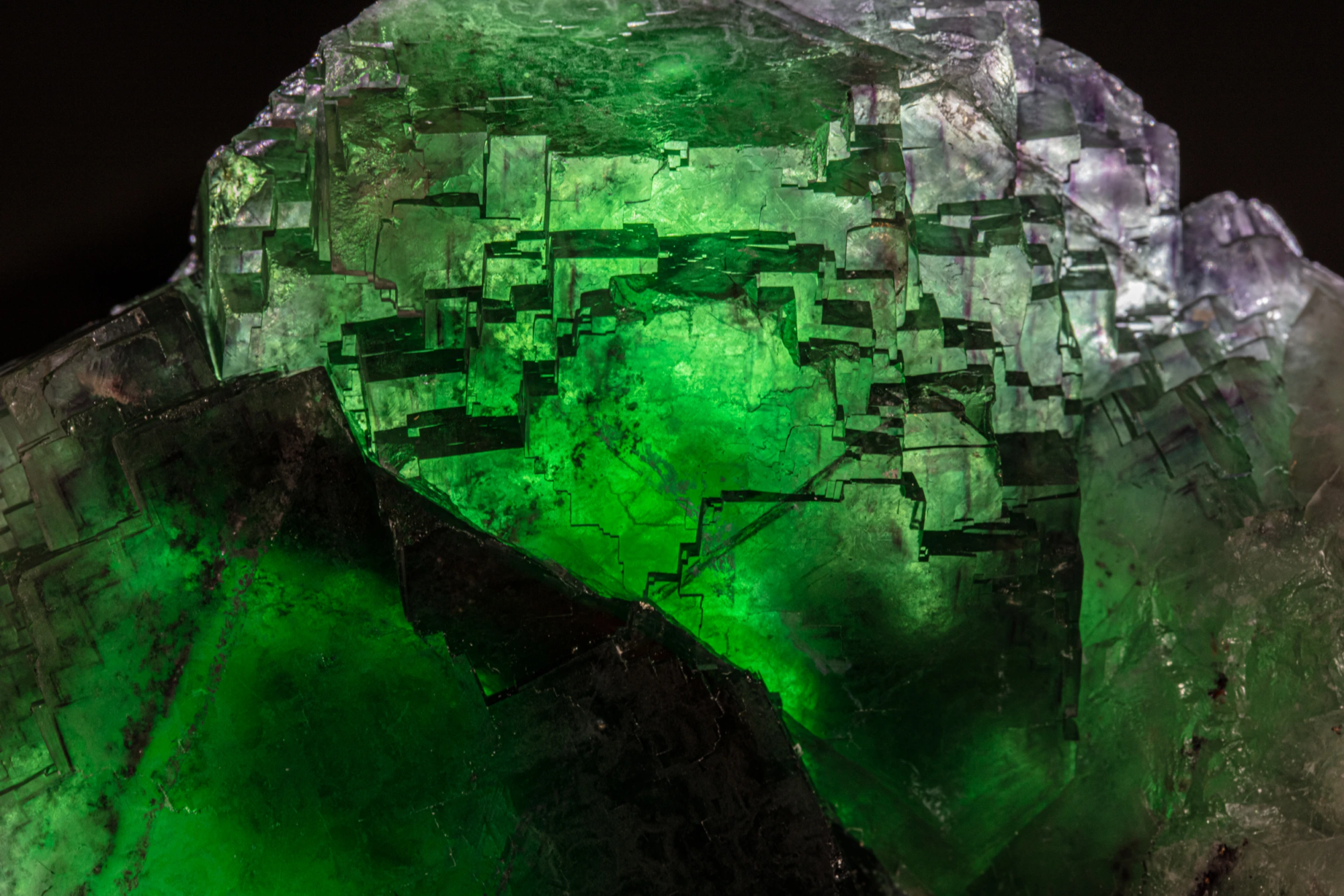
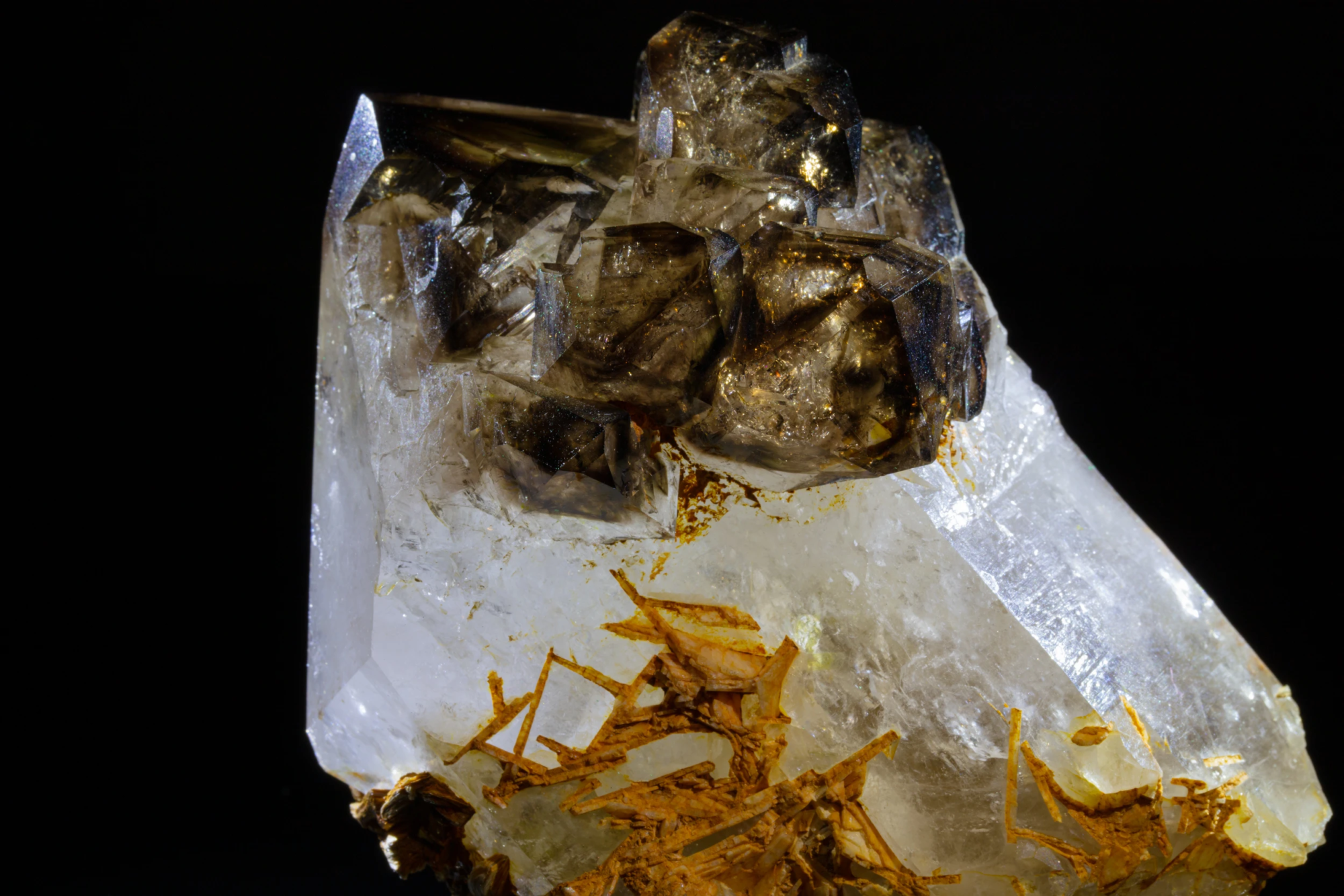
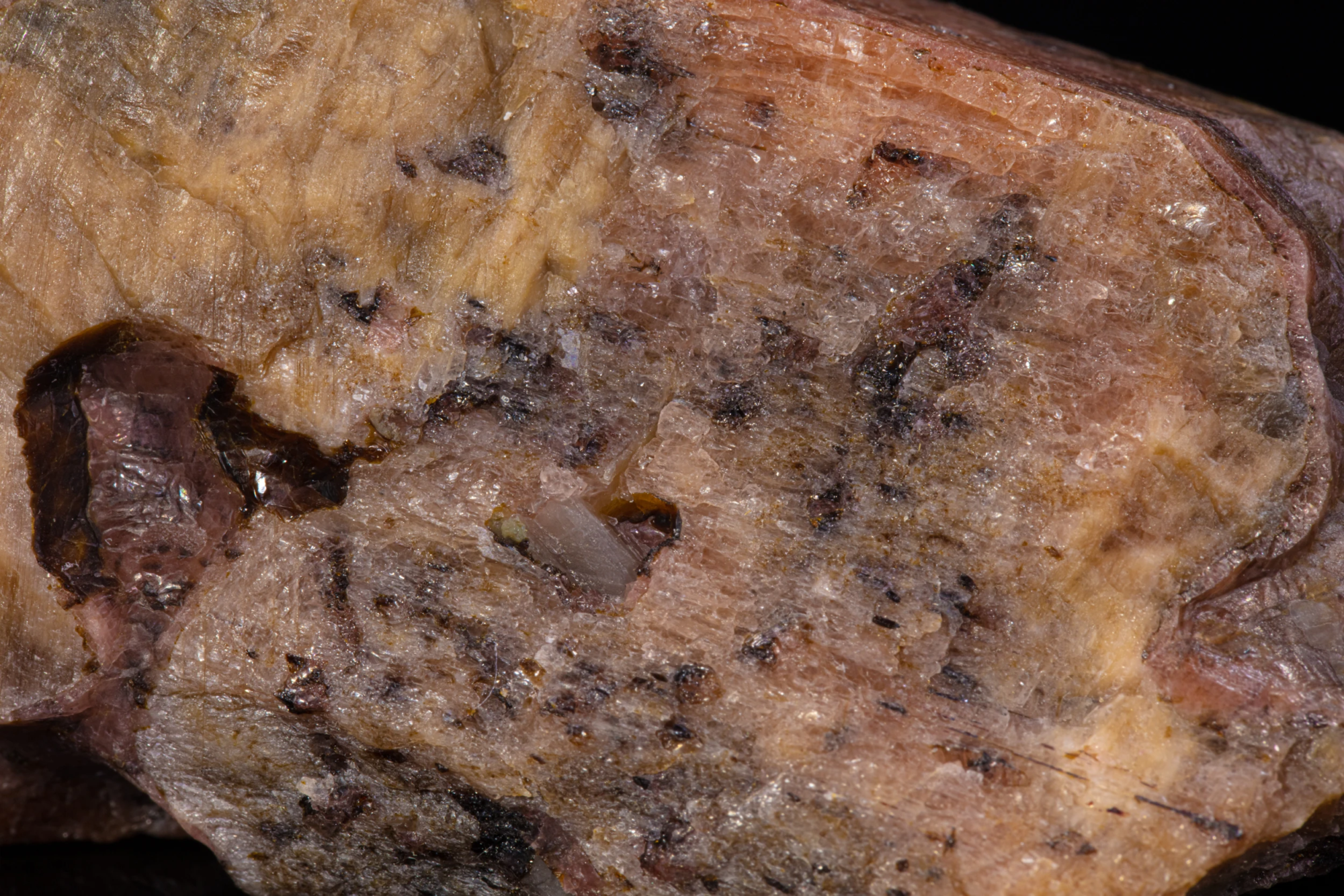
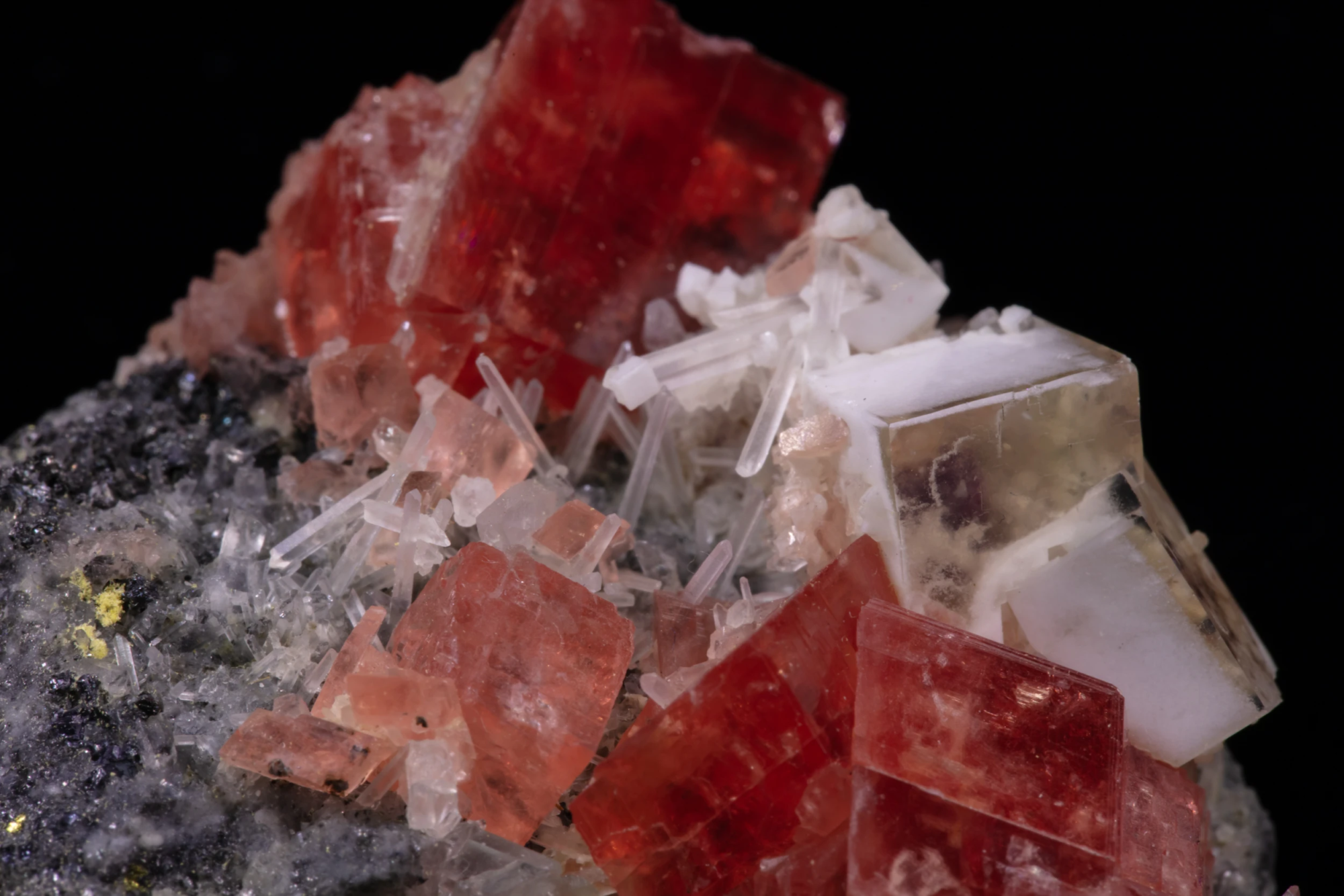
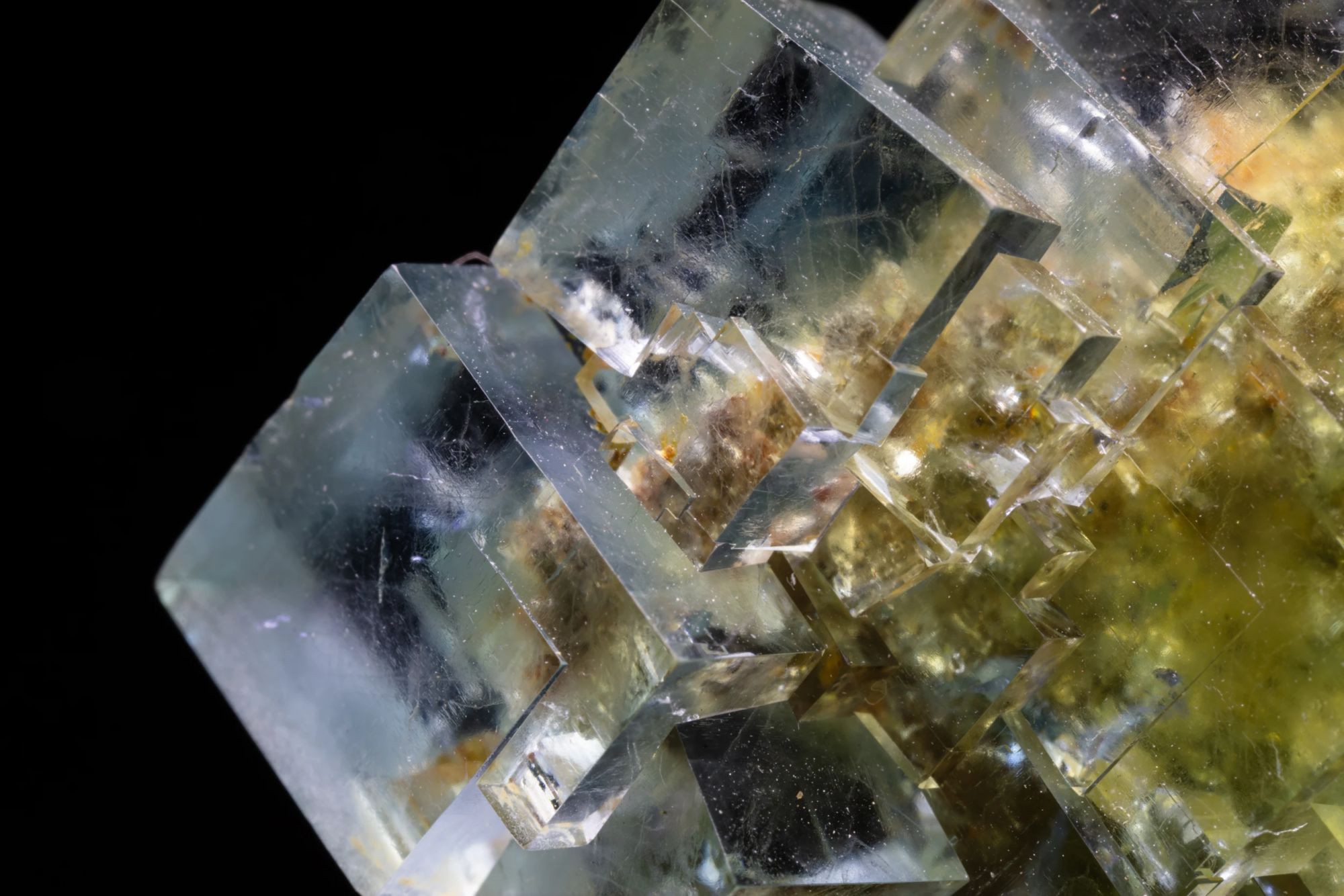
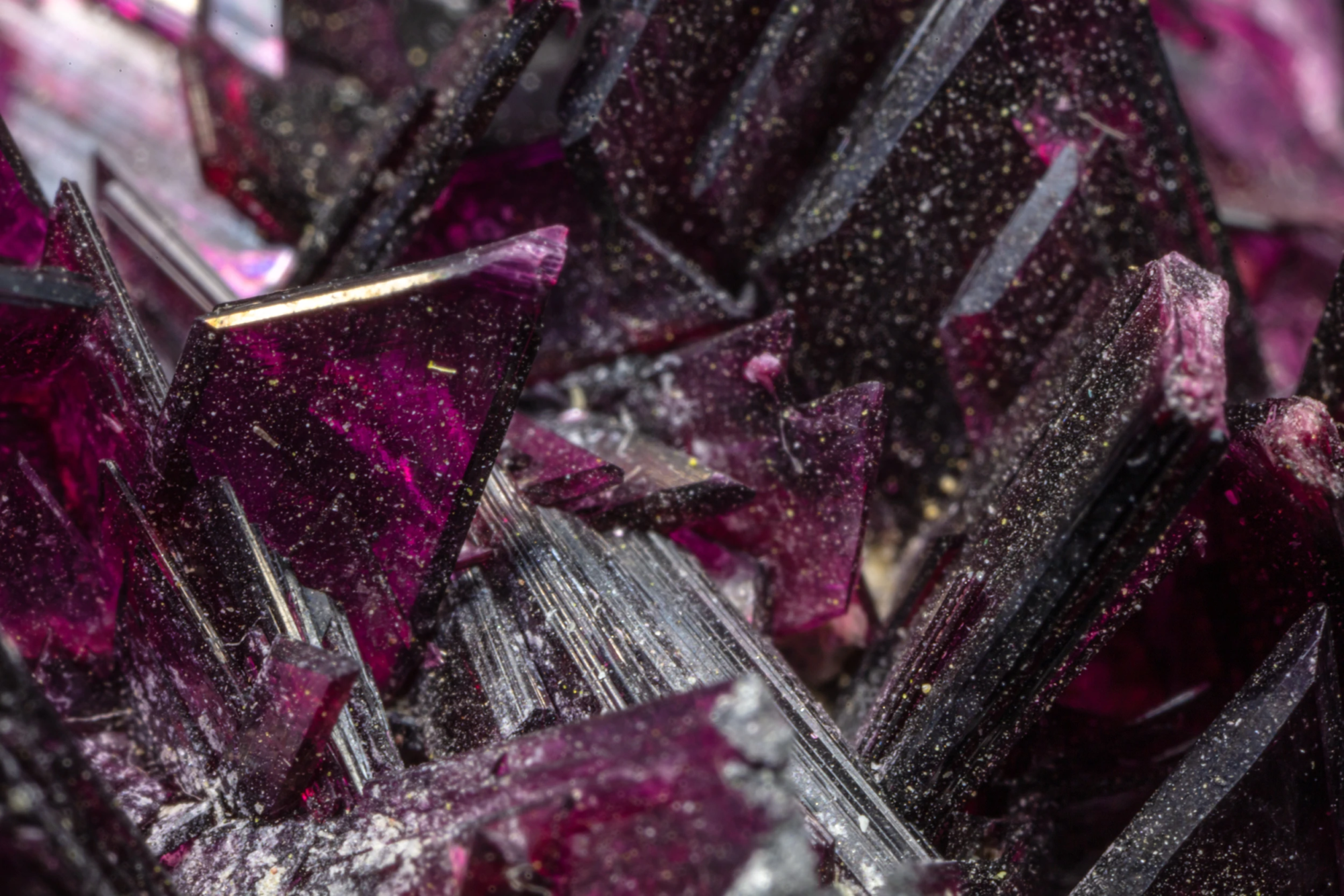
Macro and microphotography go further than the naked eye can. Inclusions, micro-crystals, iridescence, internal structures of extraordinary complexity: details that matter for documentation, for understanding, for the kind of record that holds value at the moment of sale, transfer, or insurance claim. Some specimens have never been photographed at that level of detail. It changes what you know about them.
Upon request, each piece can be photographed alongside a graduated ruler.
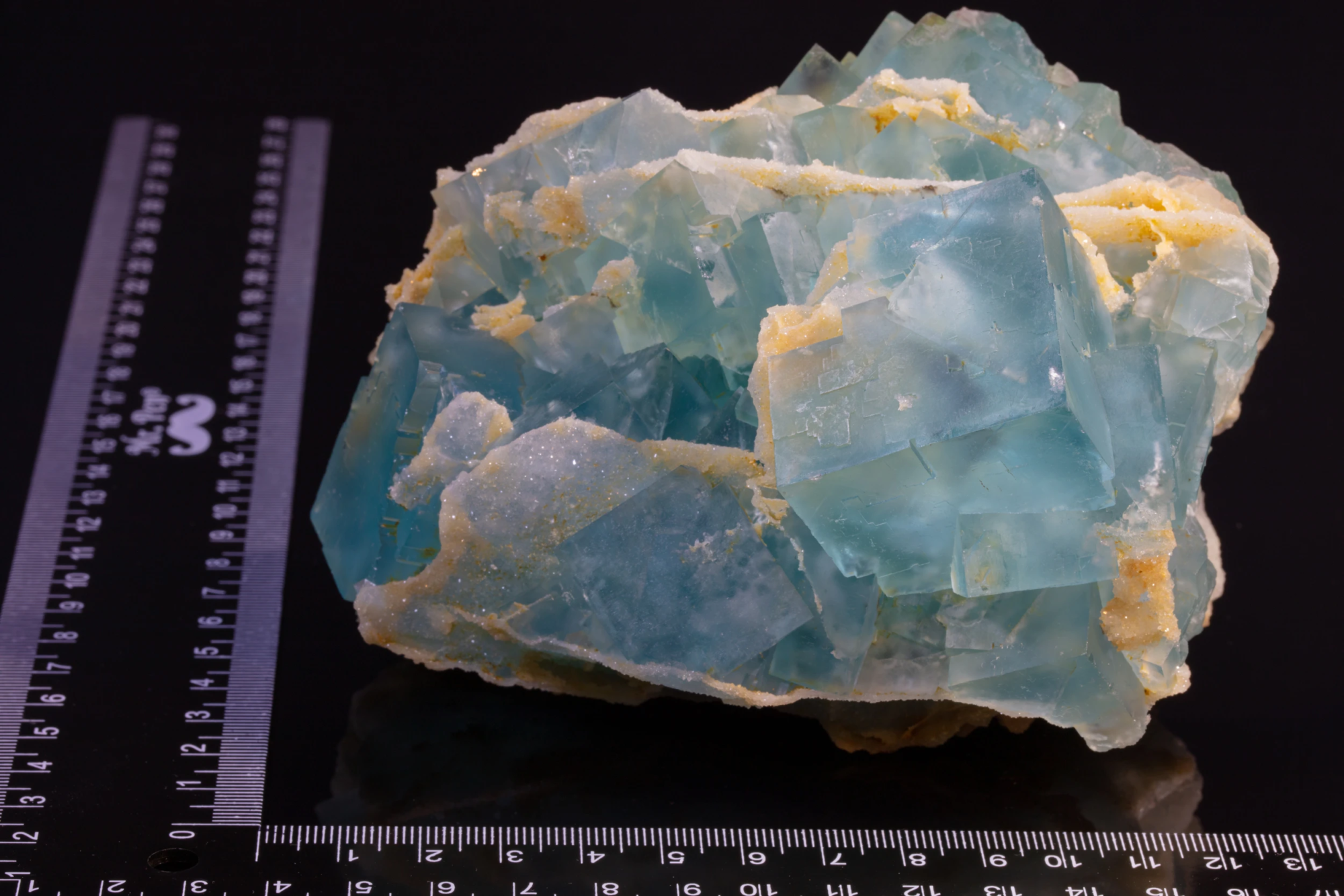
Backgrounds
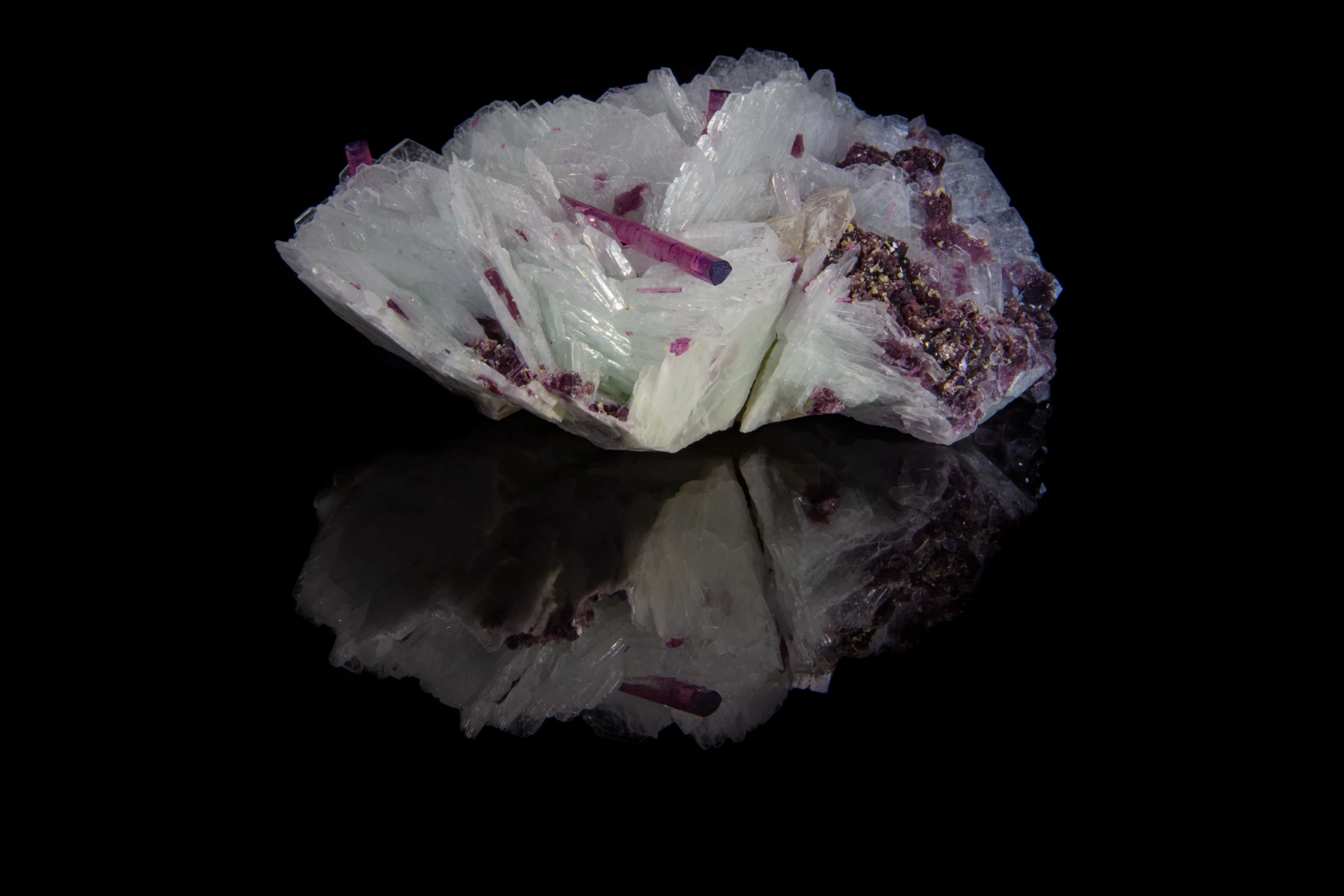
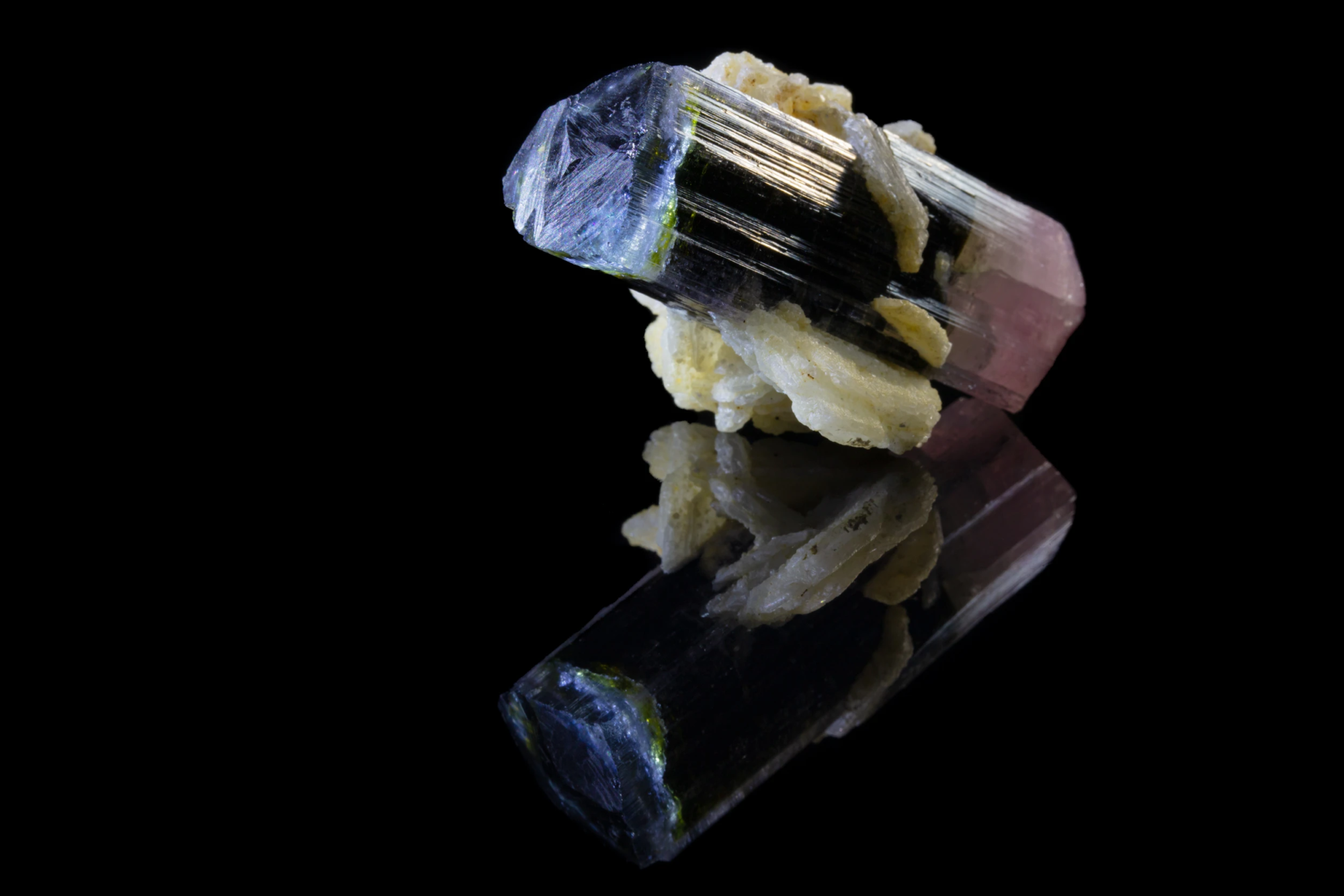
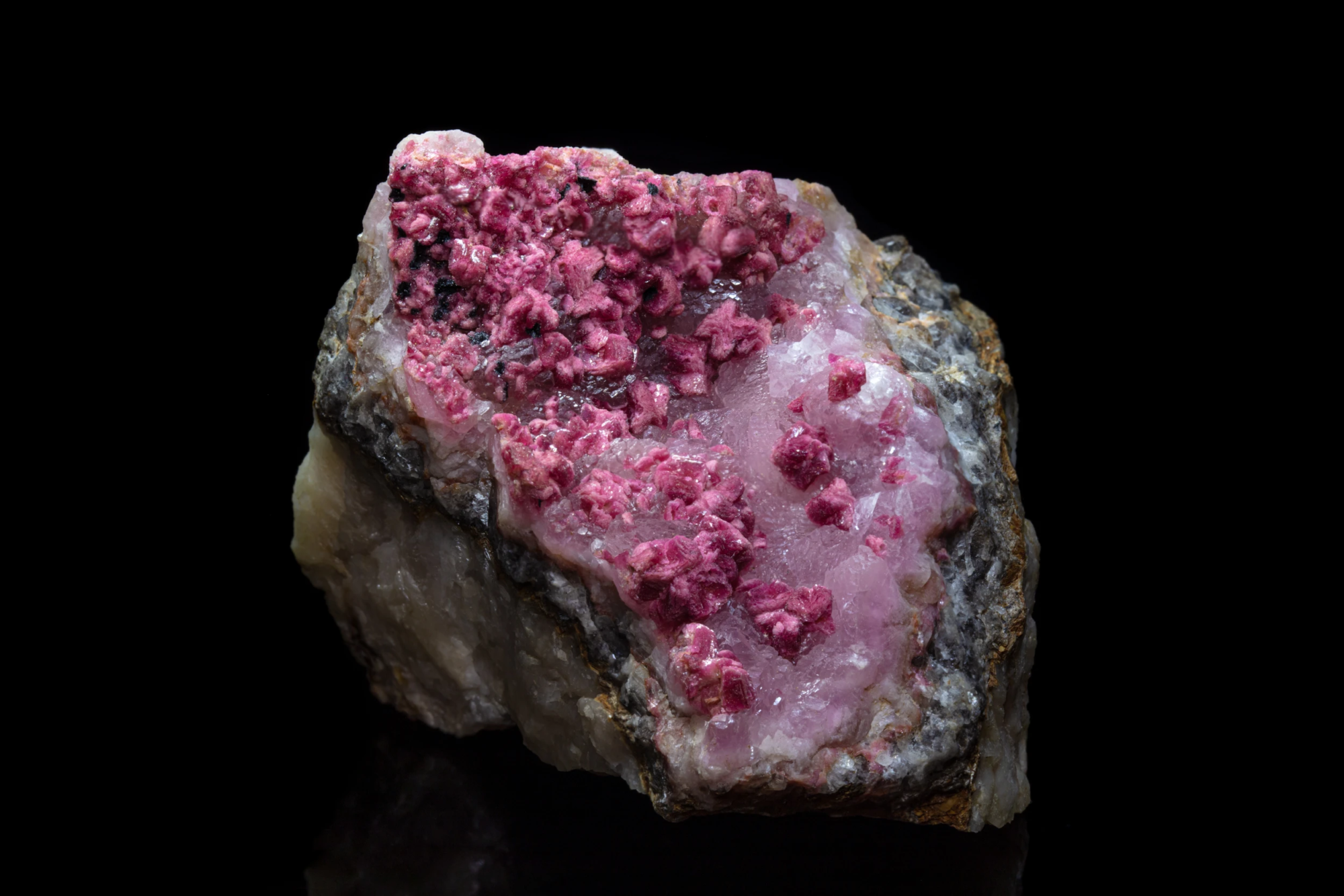
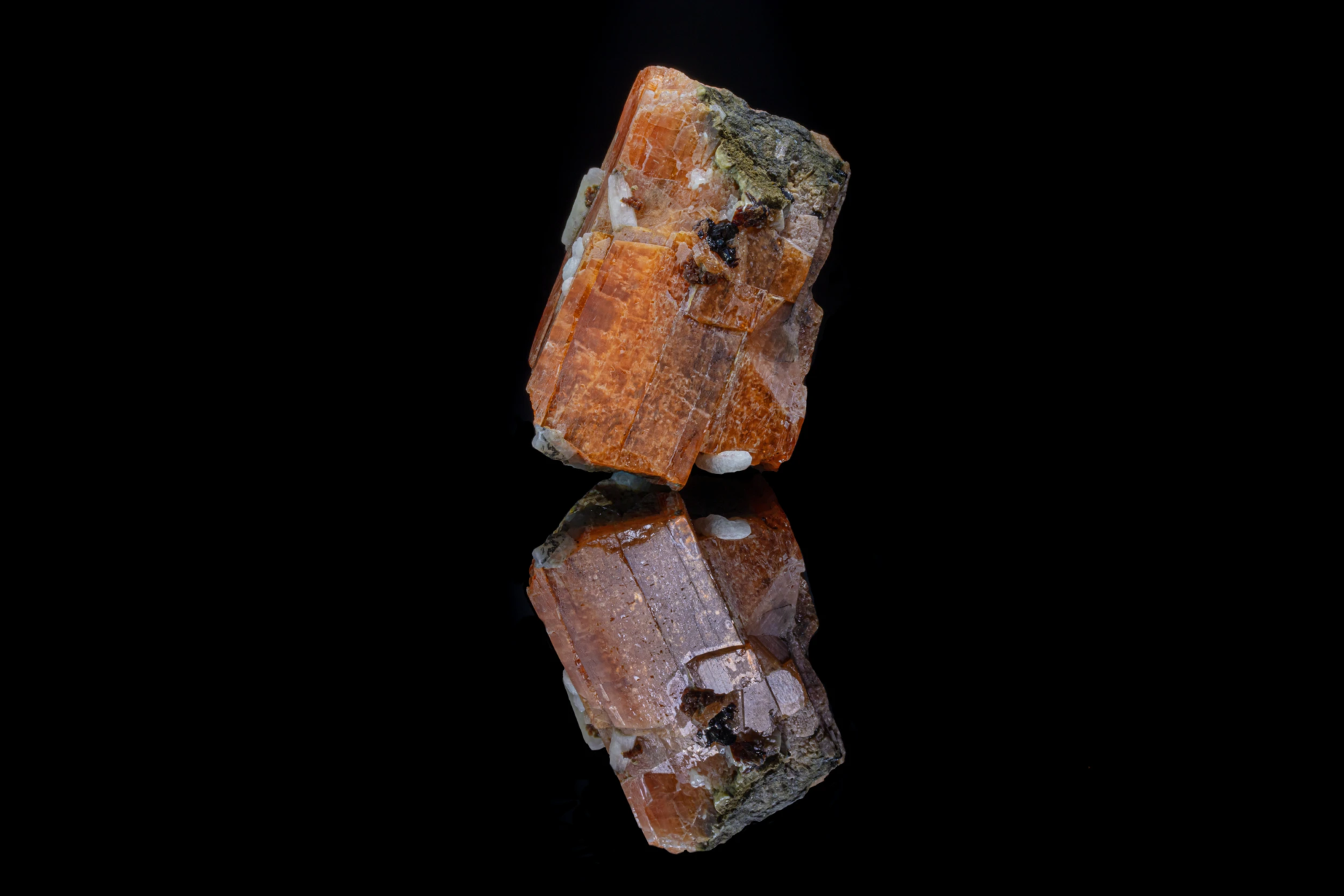
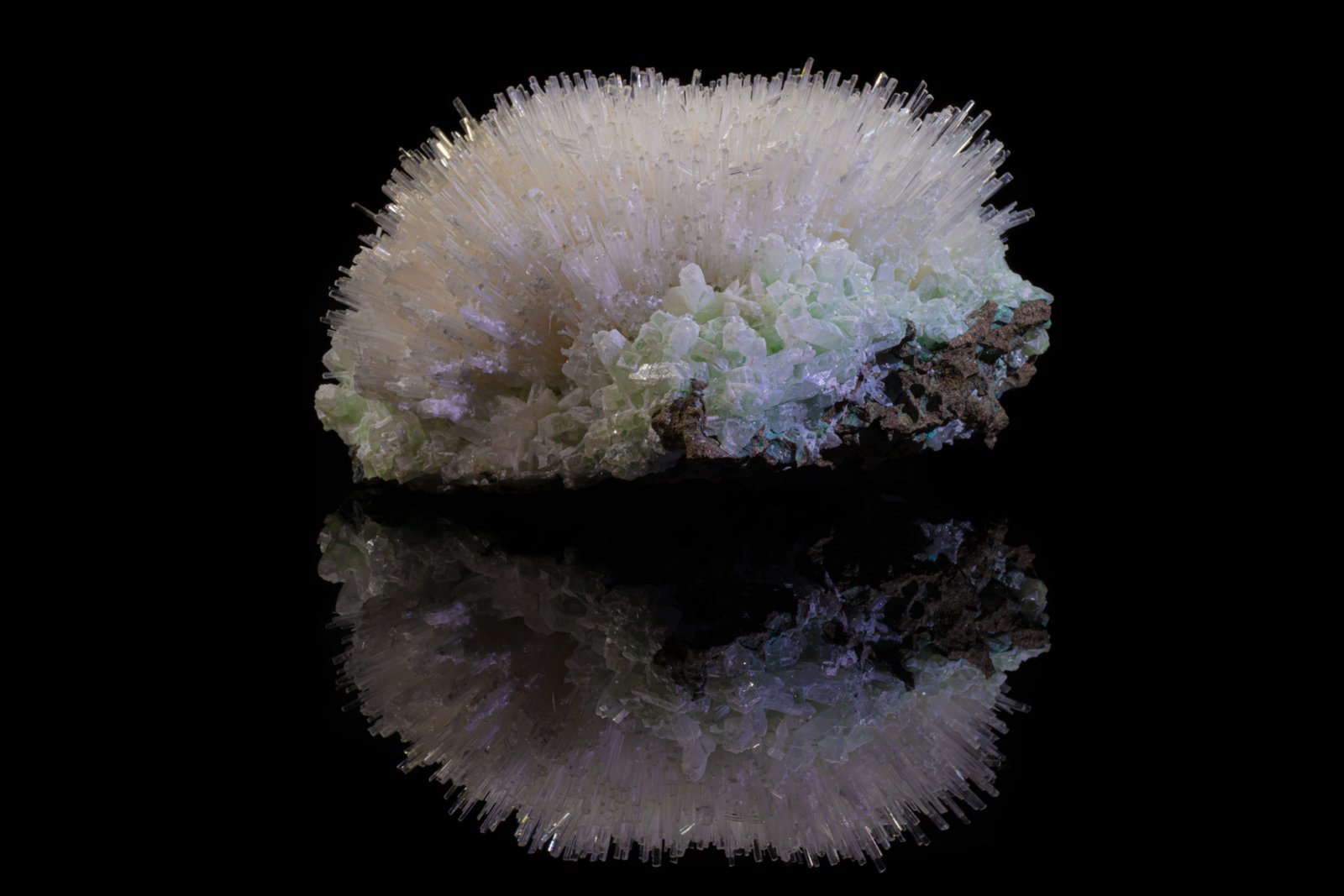
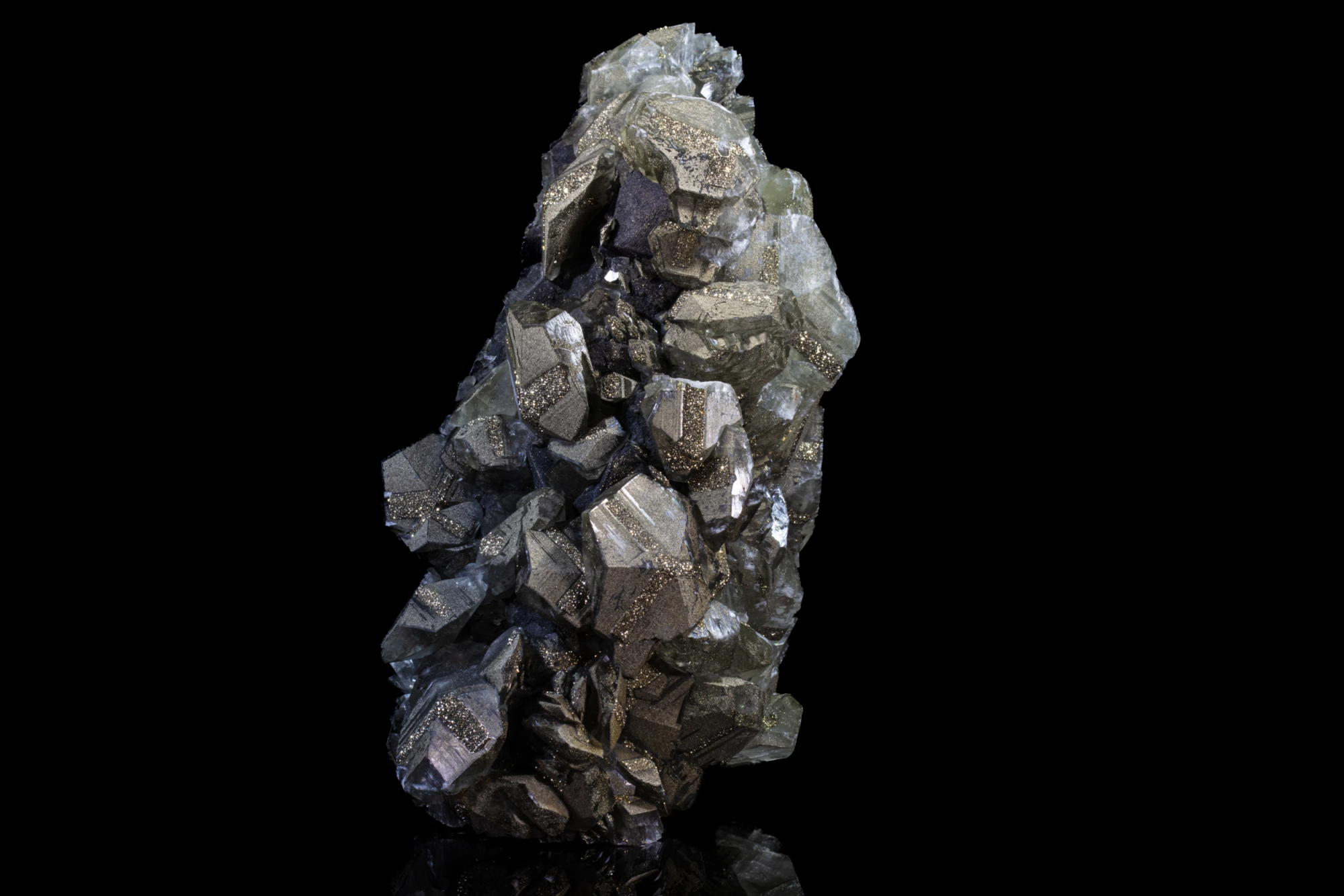
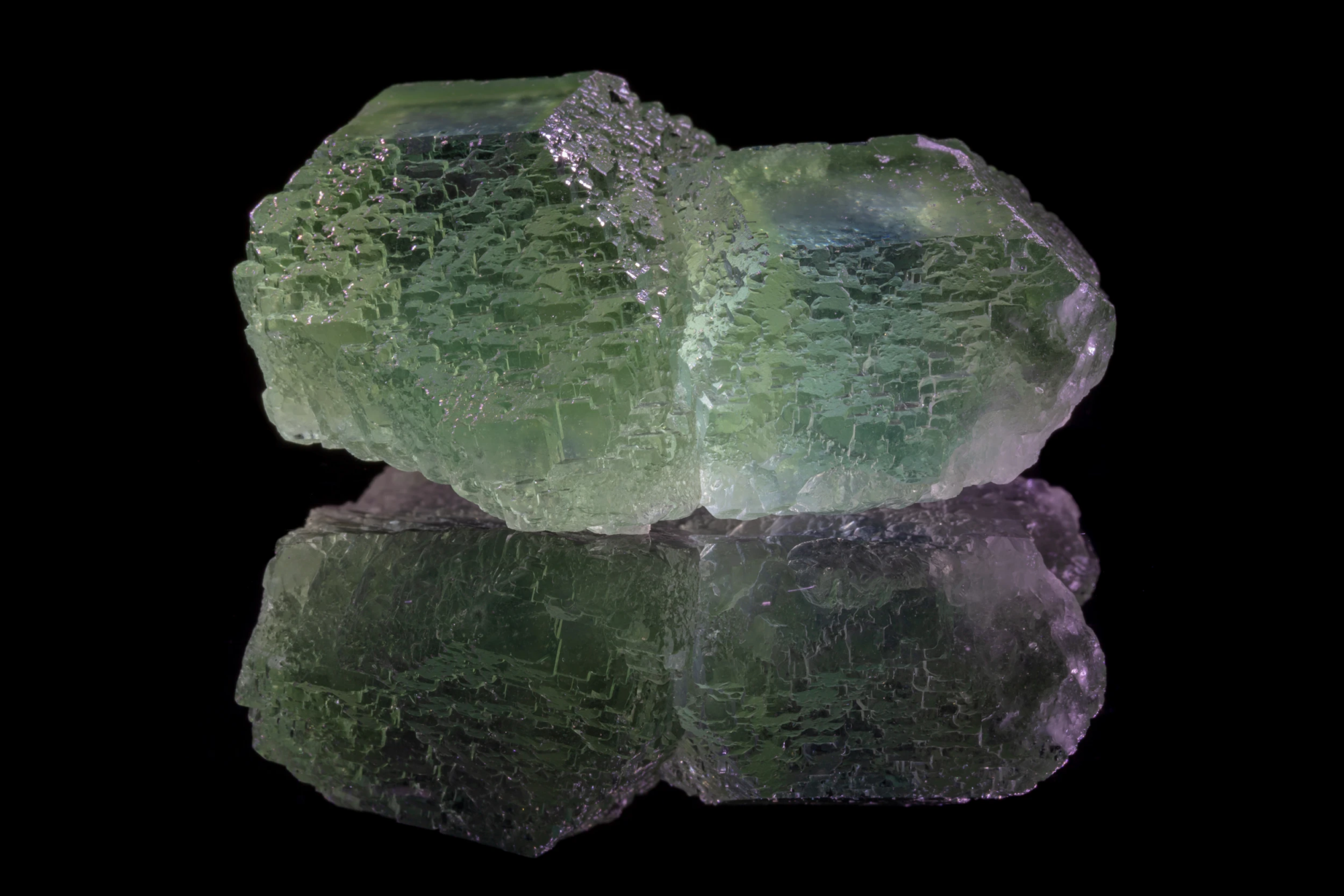
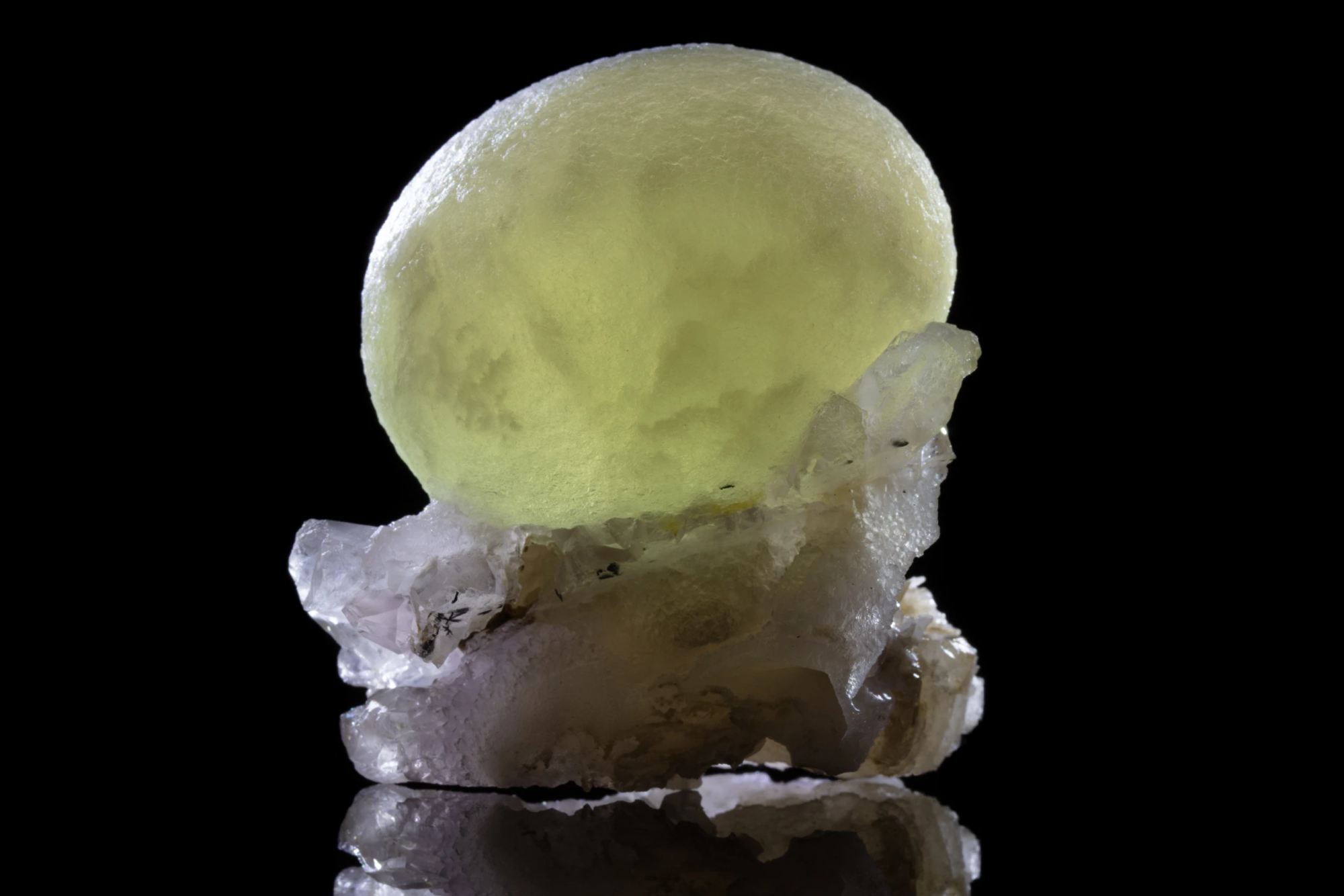
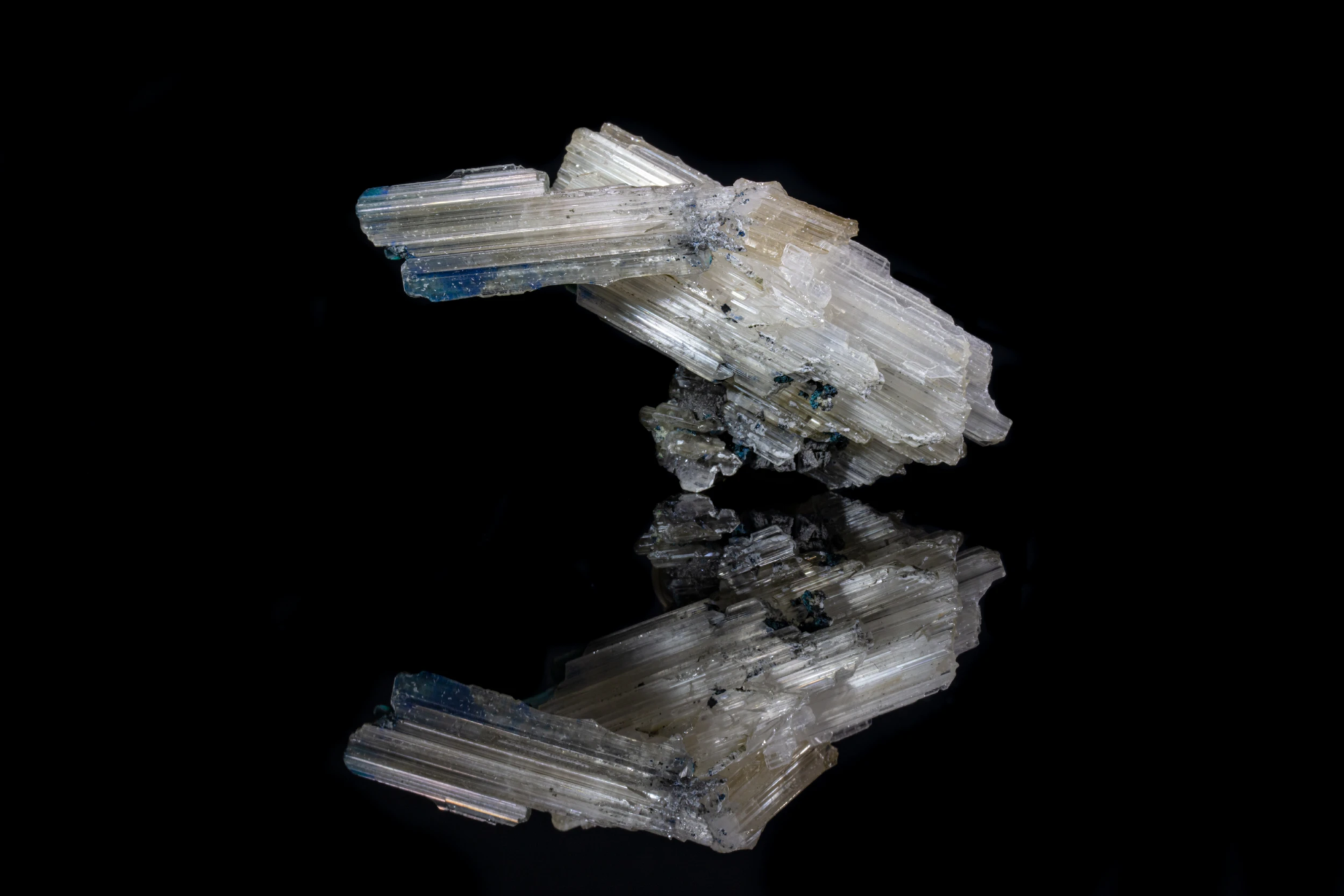
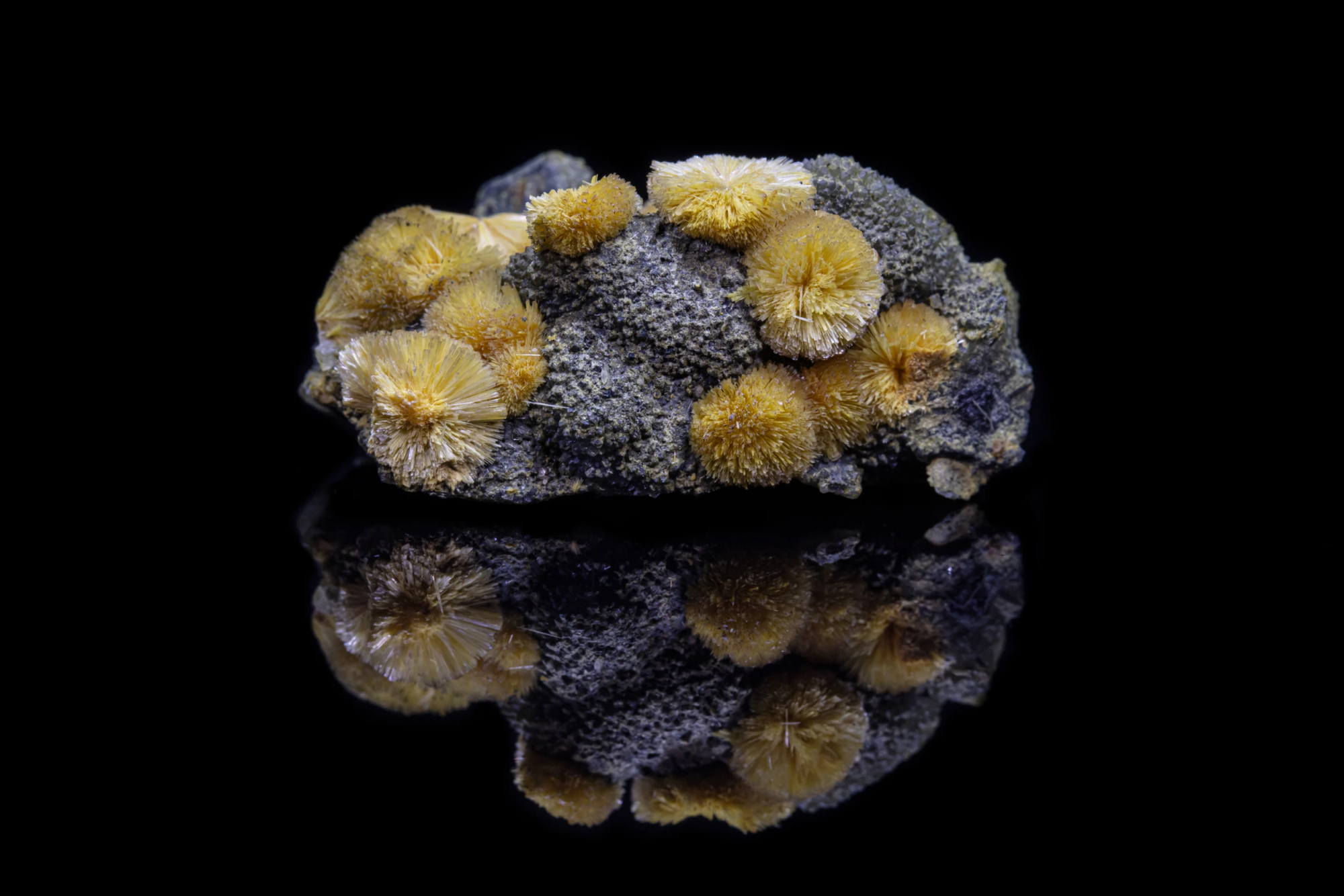
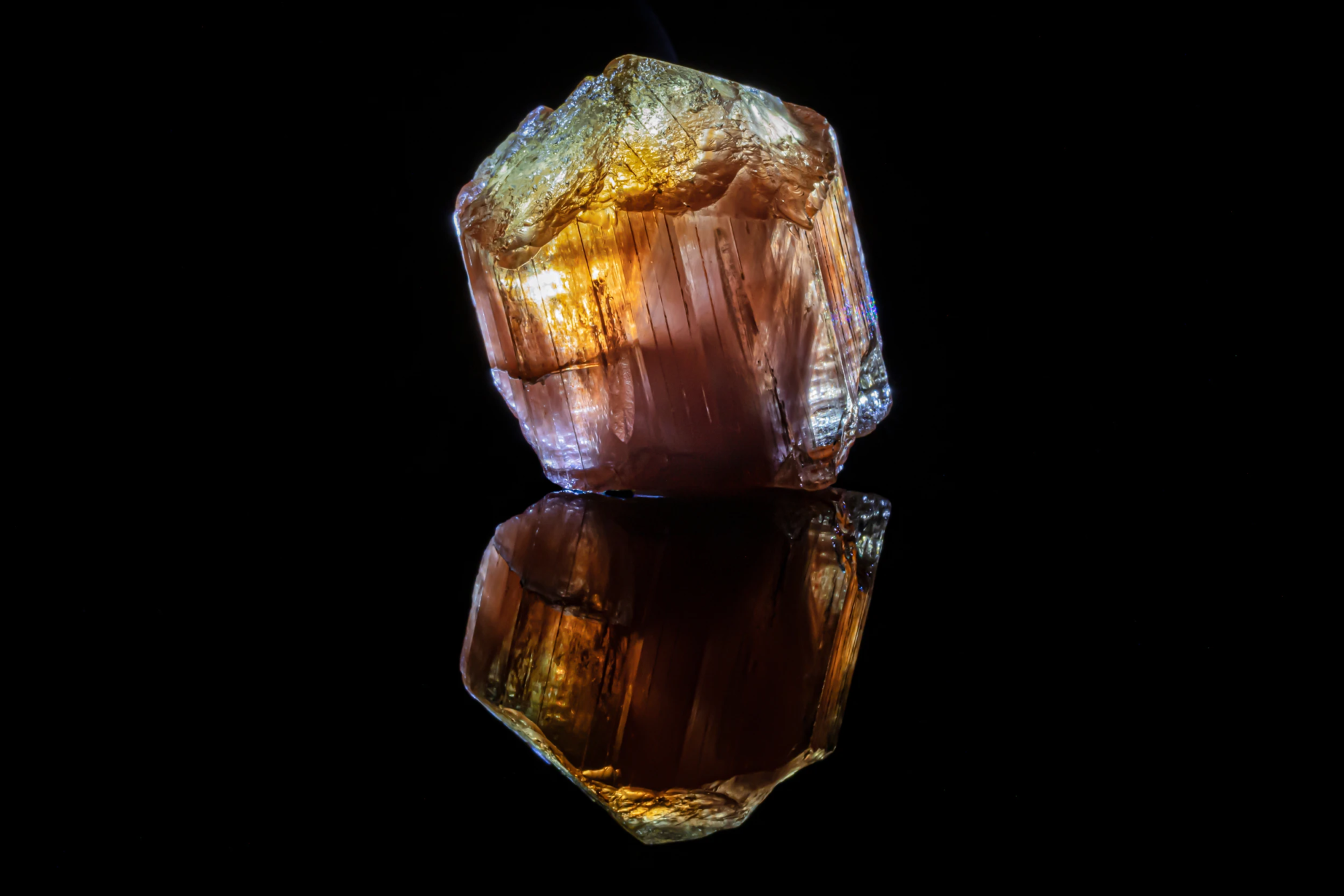
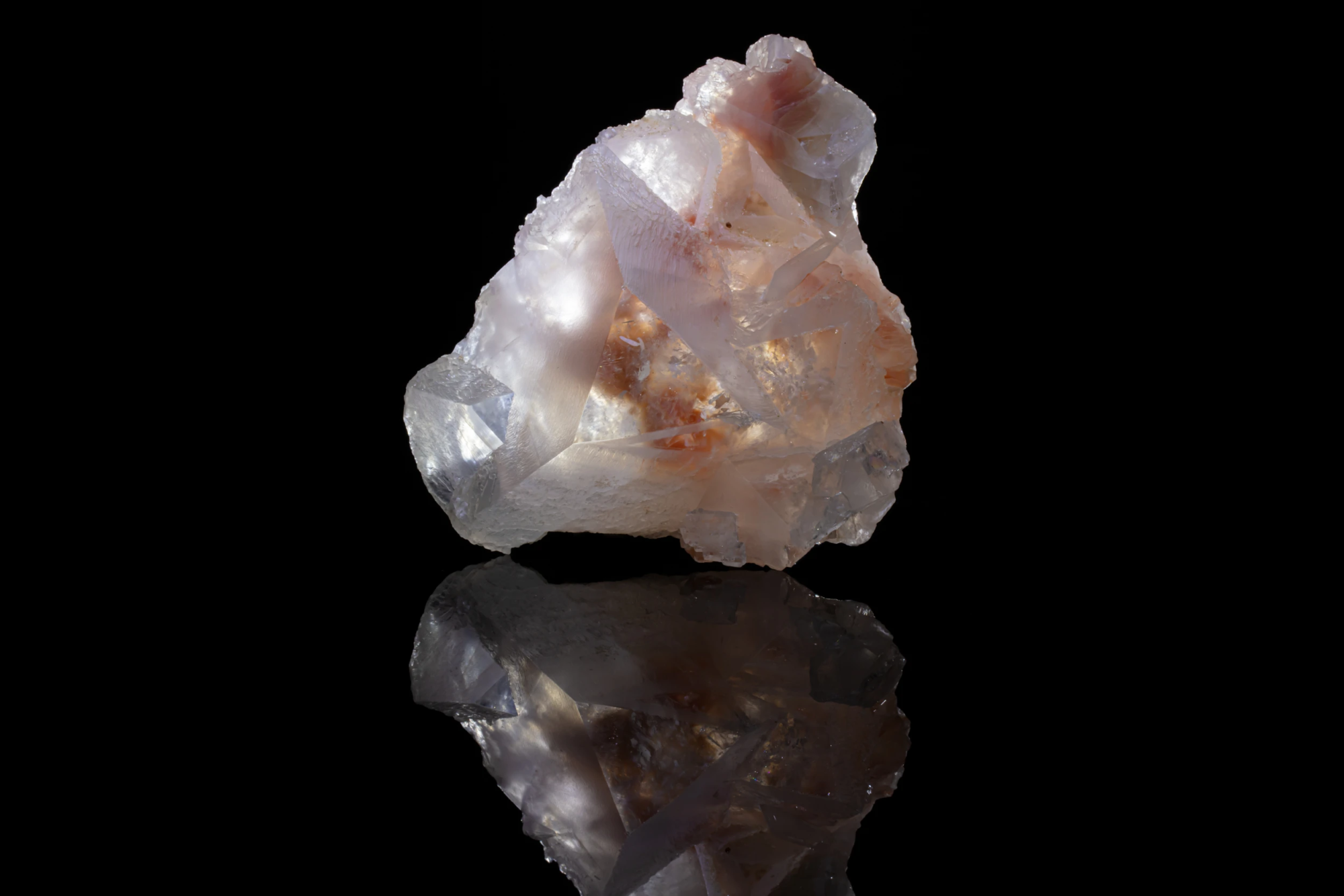
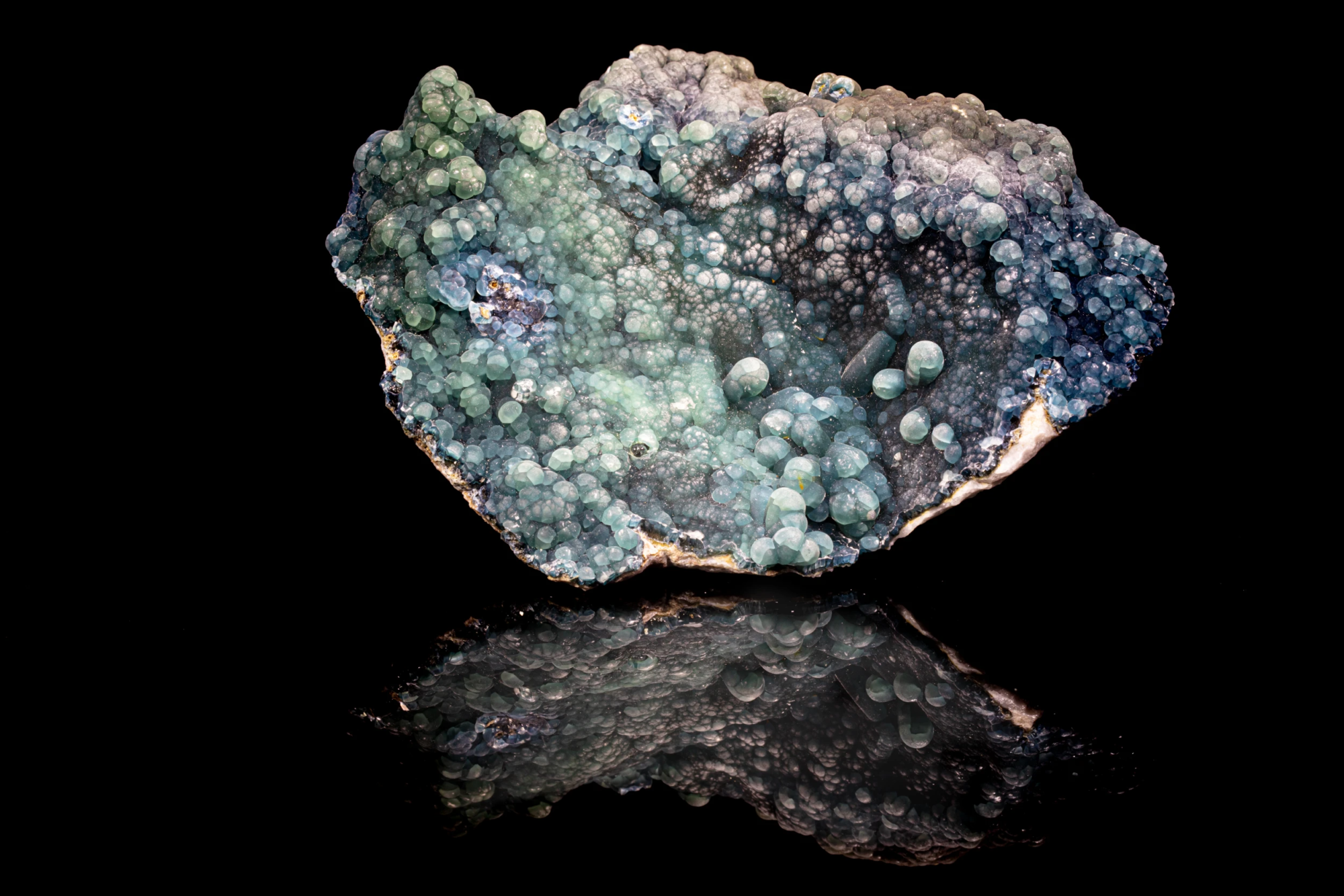
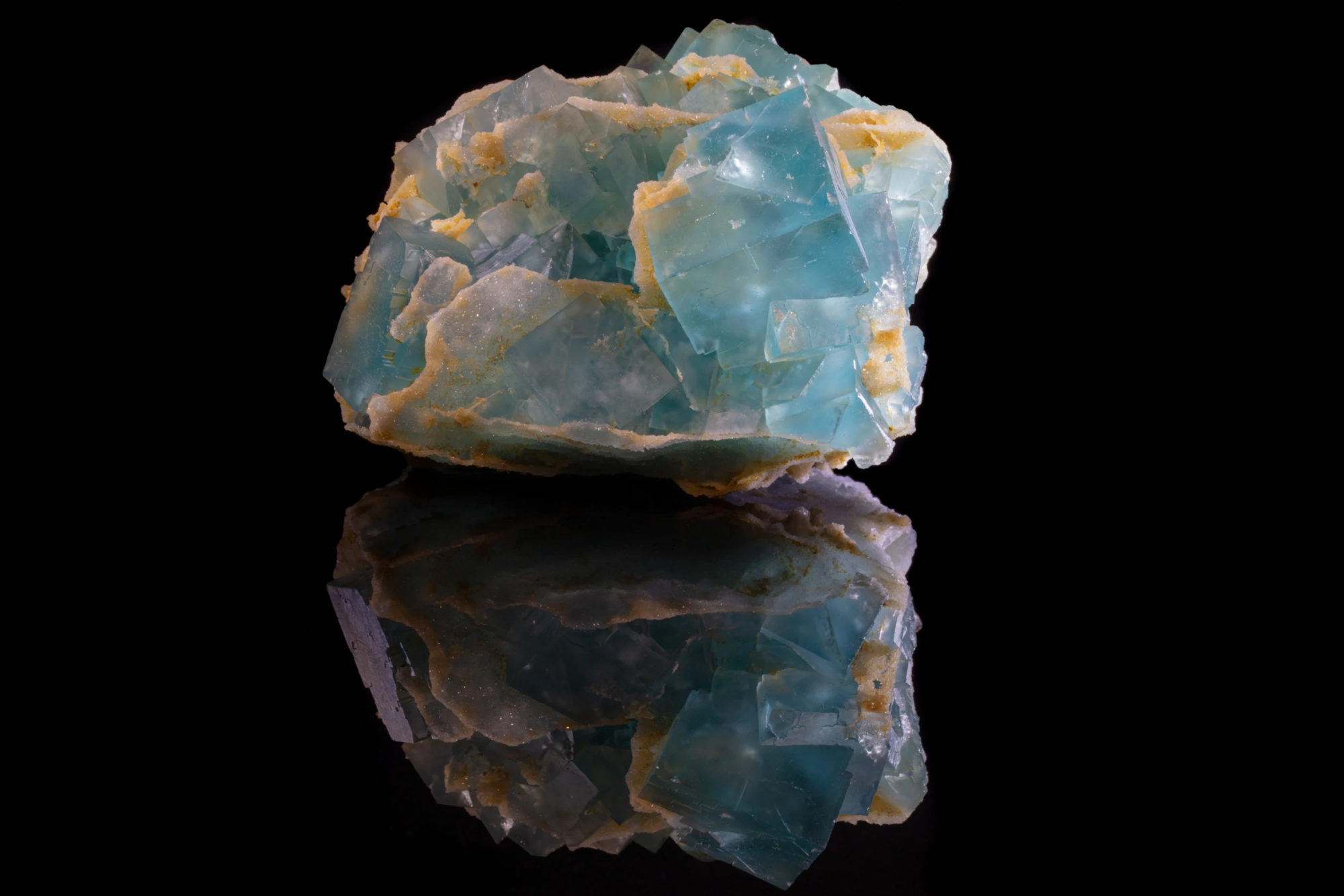
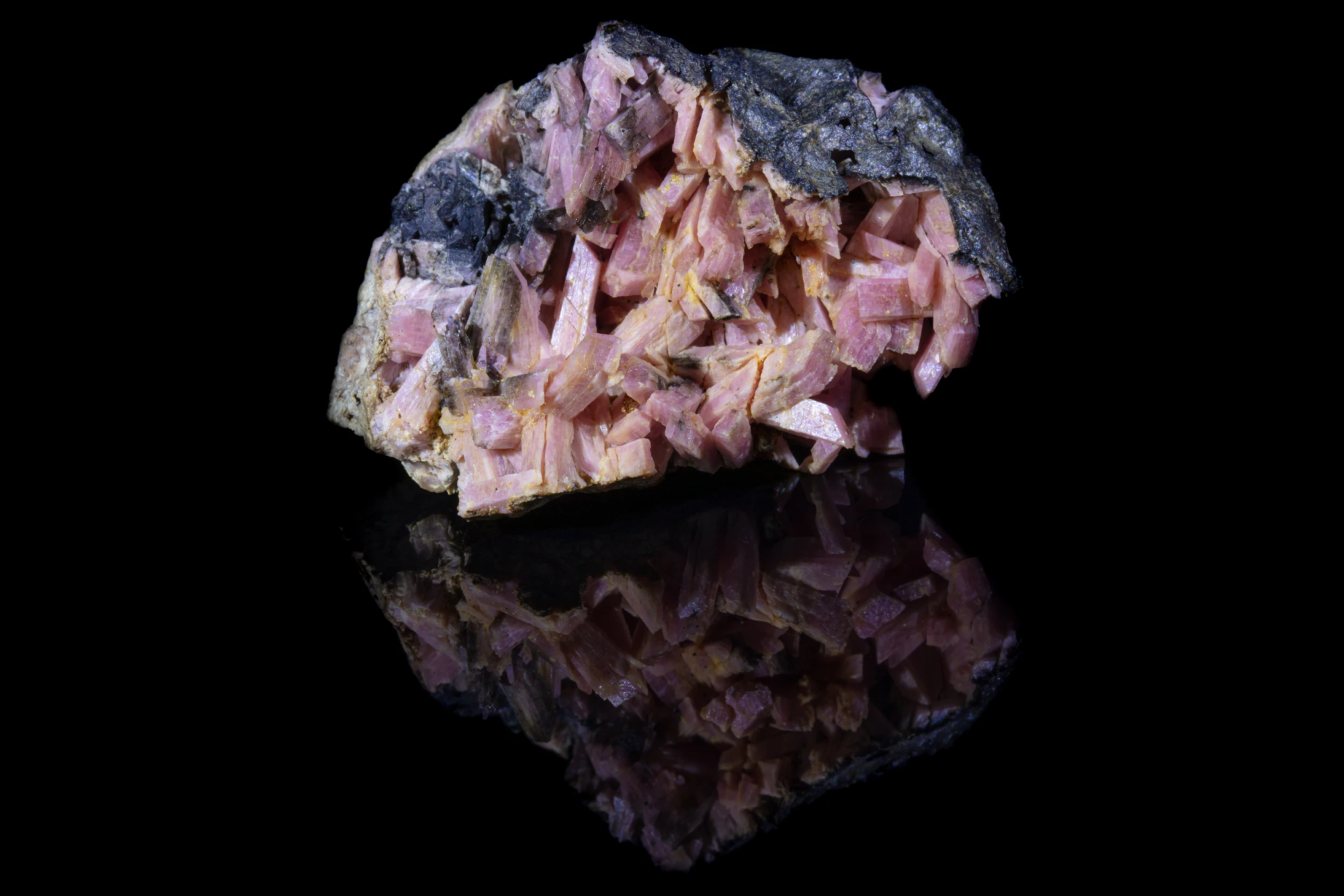
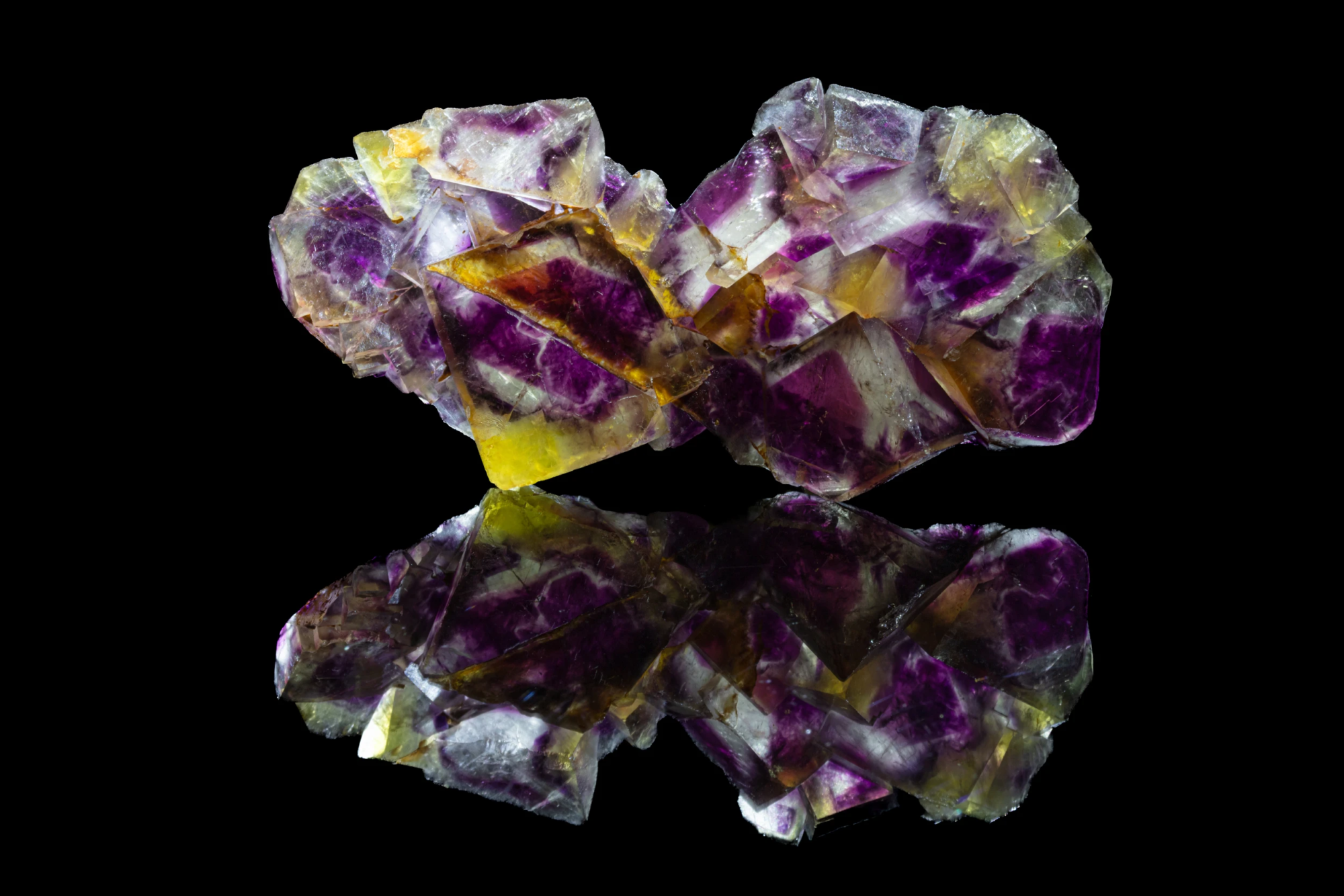
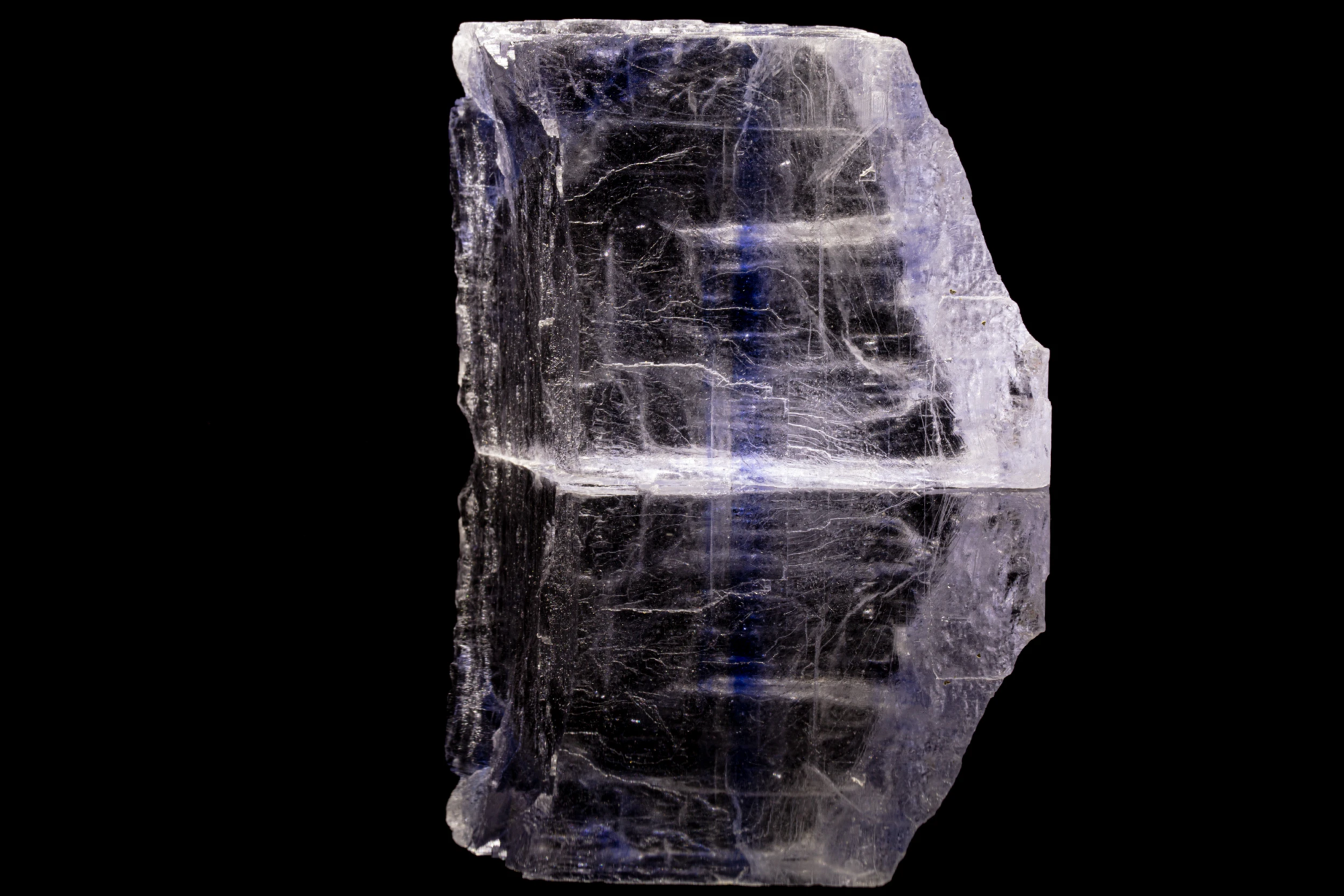
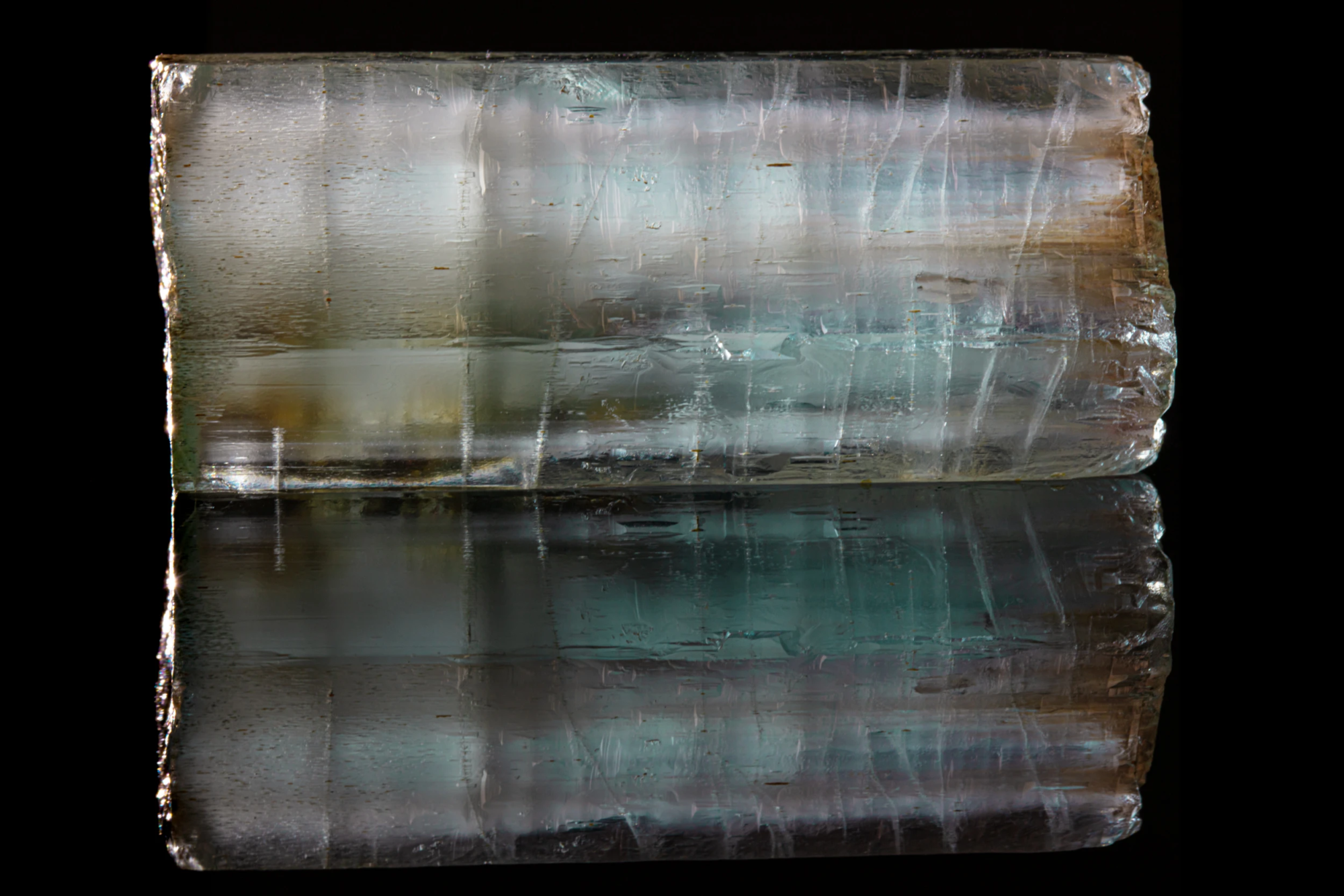
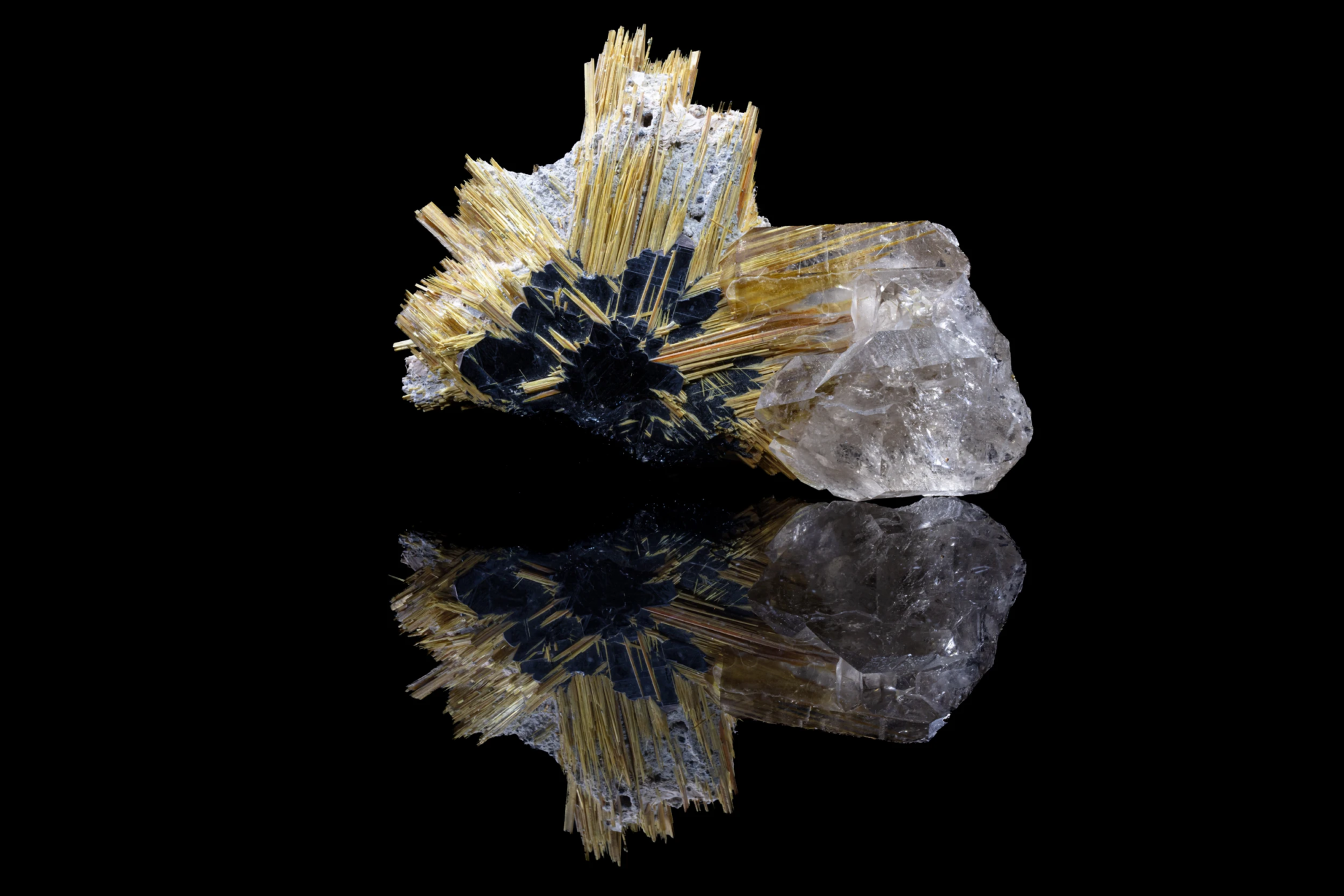
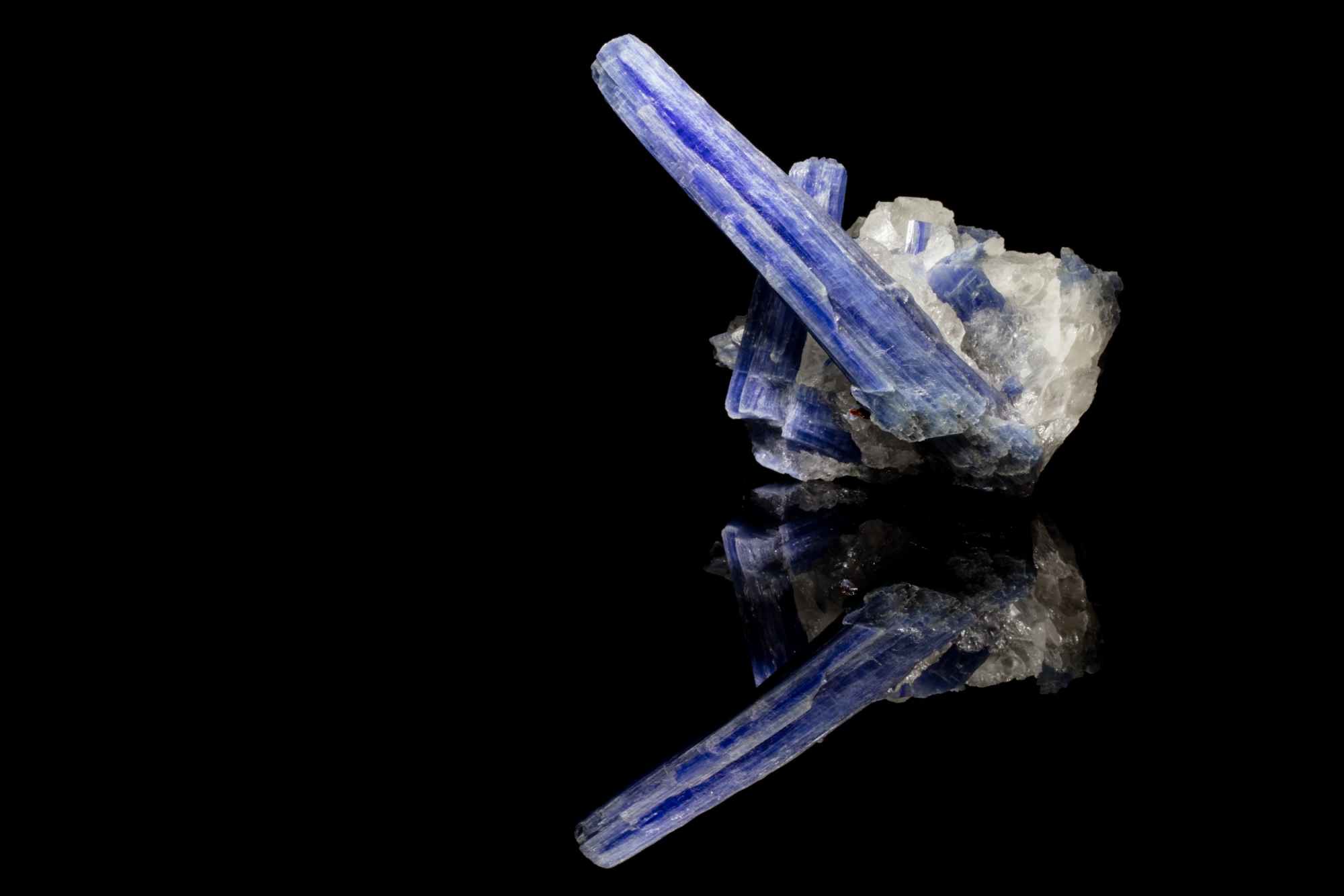
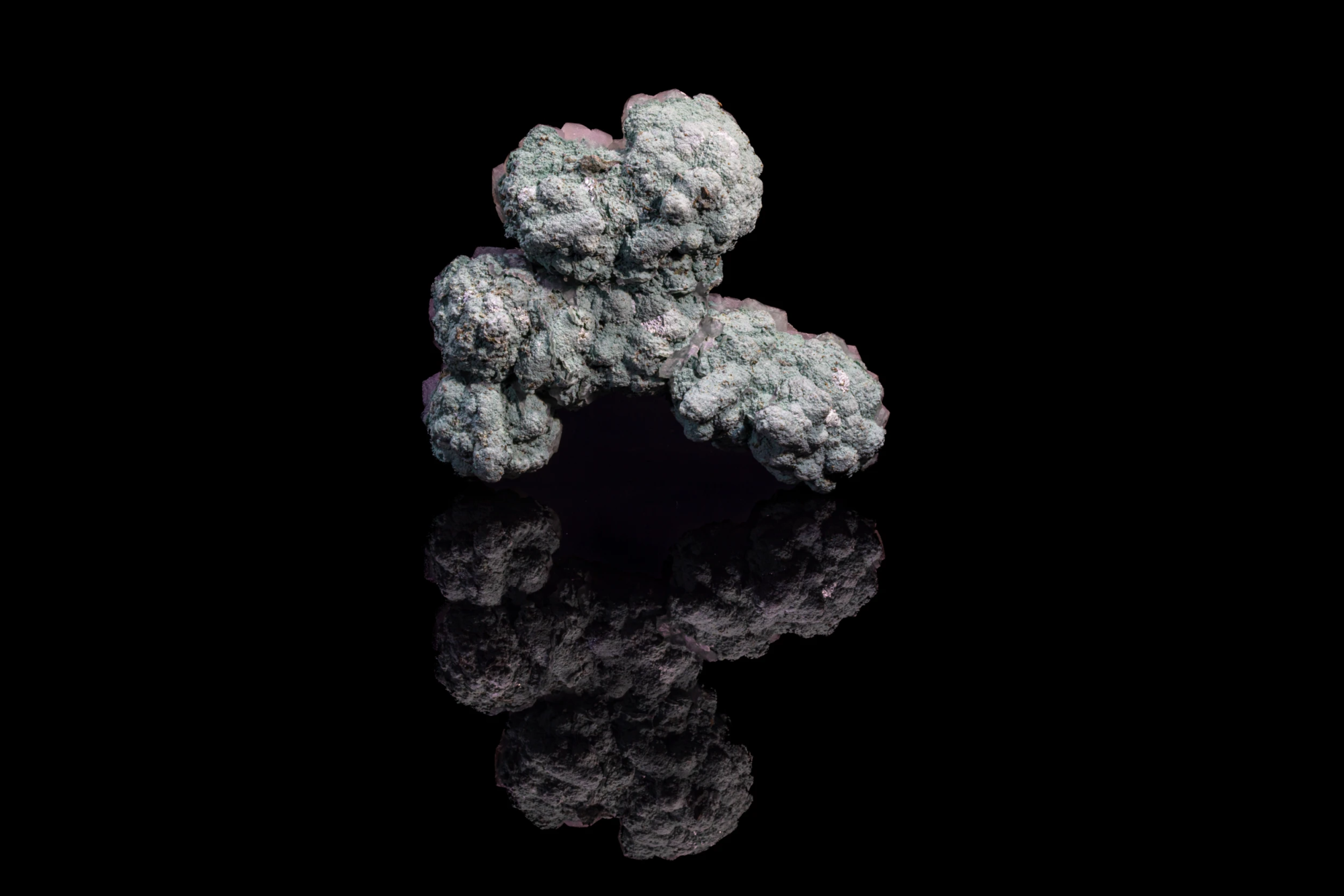
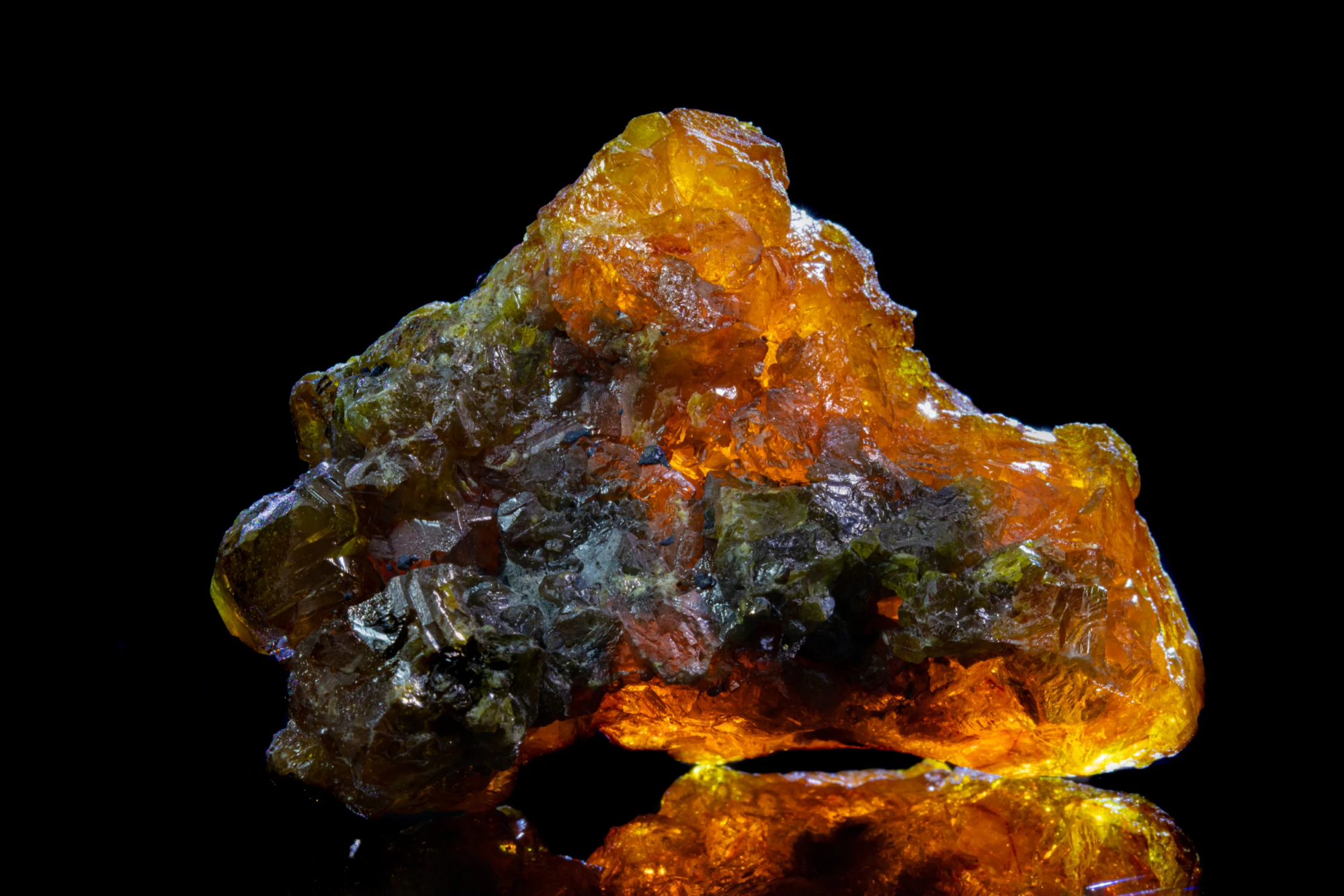
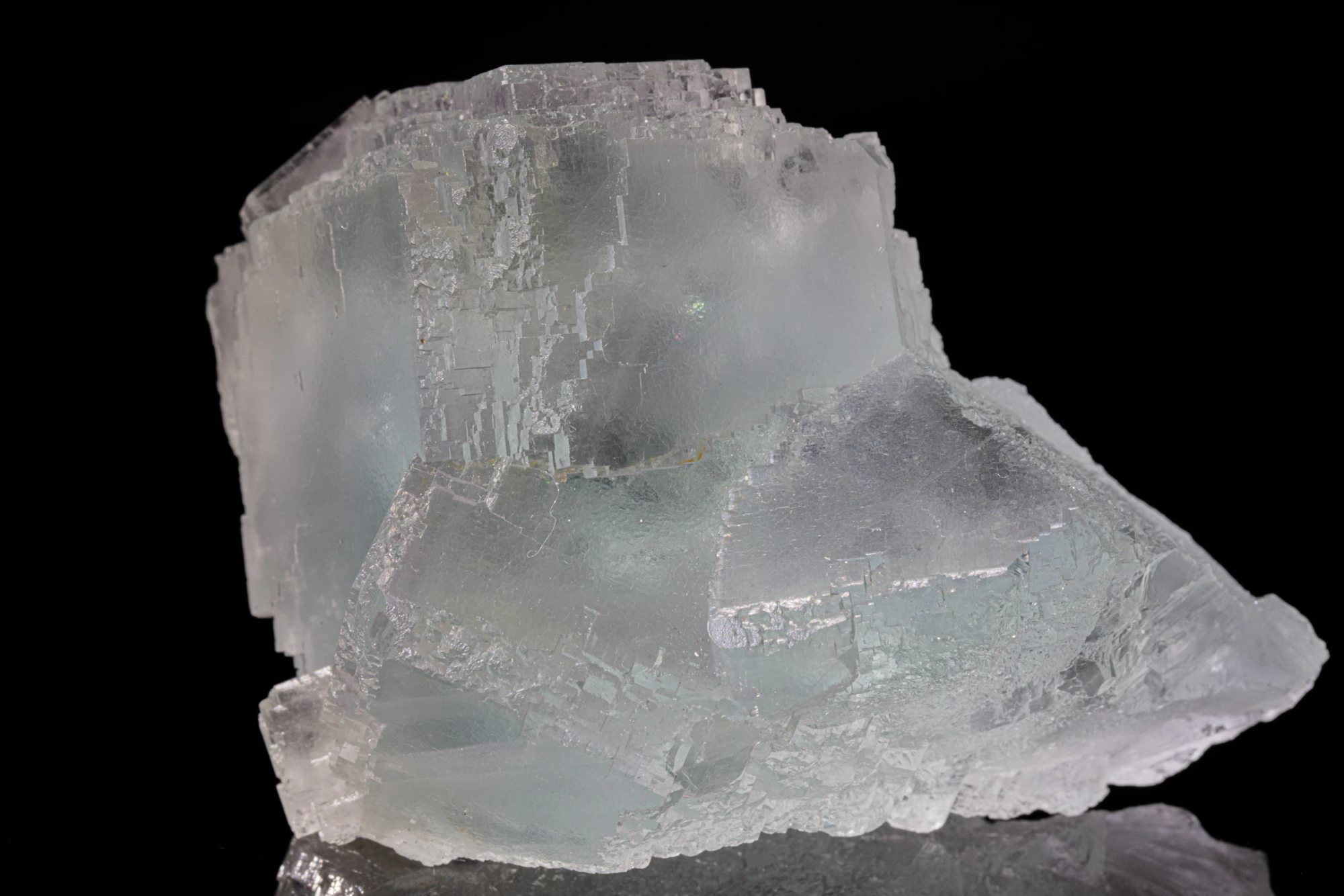
The black mirror background is our signature. Not a default, not a preference among equals: a technique we return to again and again because of what it does to the right specimen. The reflection beneath the piece creates a depth that no other background produces. Brilliance, transparency, the internal geometry of a crystal: the mirror surface makes all of it visible in a way that is simply not possible on gray or white.
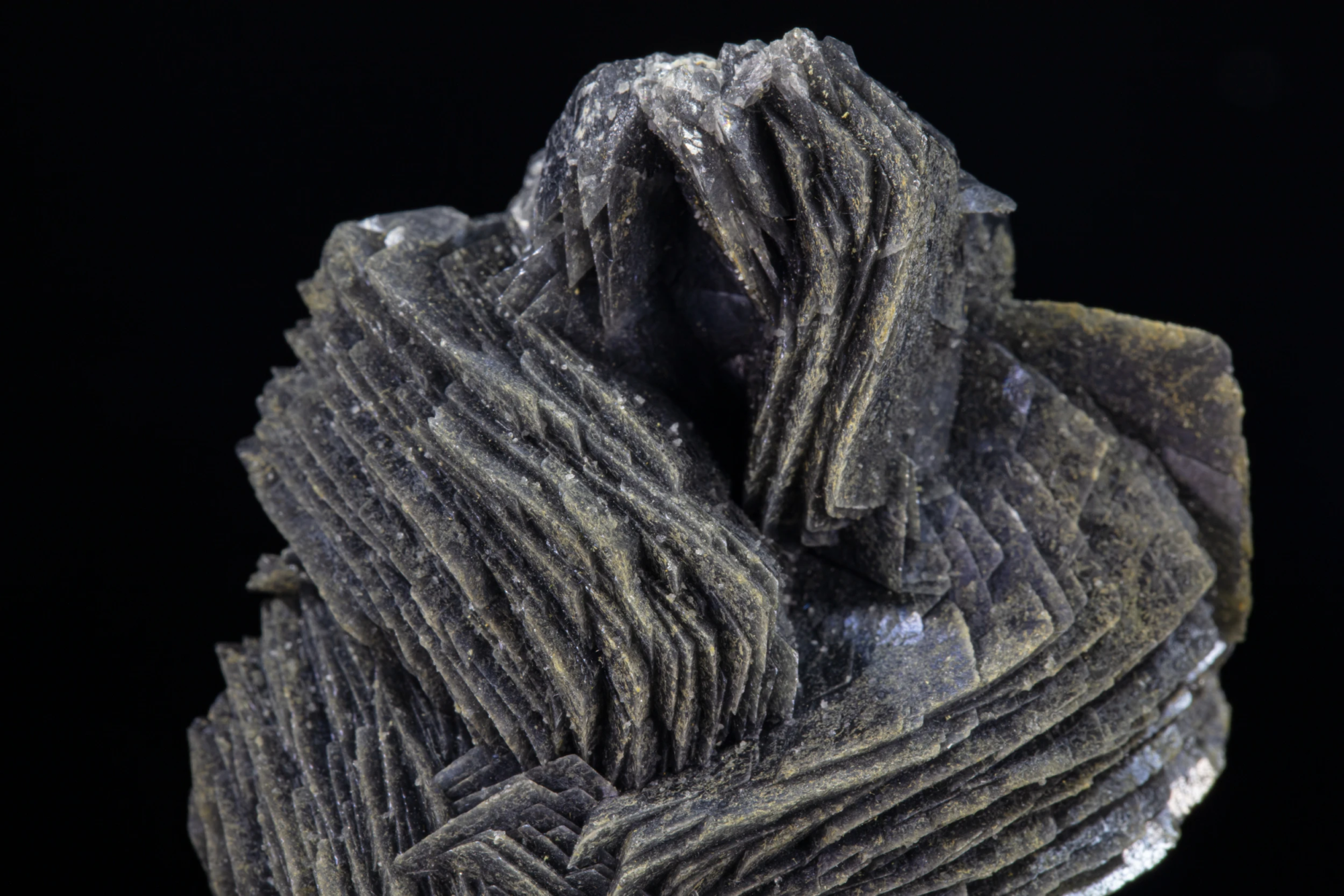
Not every specimen belongs there. In fact, some pieces lose their character against a dark surface. Their color, their texture, the thing that makes them worth looking at: it disappears. For those, we work on neutral gray or white. The choice is made together during planning, piece by piece when the specimen calls for it. The background is never an afterthought.
What You Get
High-resolution files, ready to use: for your collection catalog, for sale listings, to give your insurer, for exhibition or archive. Every detail is there: surface texture, internal structure, the way light moves through or across the piece.
The number of images per specimen, the resolution, the format: we define these together before we start. Nothing is standardized. A microcrystal and a large matrix piece are not approached the same way, and the deliverables reflect that.
How It Works
You ship your specimens to our studio, or we travel on-site for large collections. Before anything is sent, we plan together: number of pieces, background choices, any specific requirements for complex specimens. That conversation happens first. That is precisely how we can give you a return date within one to two days, before a single piece leaves your home.
We never work on two collections at the same time. While your specimens are at the studio, they receive full attention. Each piece is photographed individually. Nothing is processed in bulk.
Whatever happens during the project, you are kept informed by text message: return shipment date, any change, any delay. You will not be caught off guard.
Who It’s For
Serious collectors know what a badly photographed specimen costs them: commercially, documentarily, and in the simple satisfaction of seeing a piece properly shown. Whether you have one specimen to document or several hundred, the approach does not change. The attention does not scale down.
Our mineral specimen photography services are carried out and invoiced by Camarda Visual Studio LLC a visual communication studio based in Farmington, Connecticut.
Also discover our mineral videography service and our mineral collection catalog.
Selected Examples of Our Mineral Specimen Photography
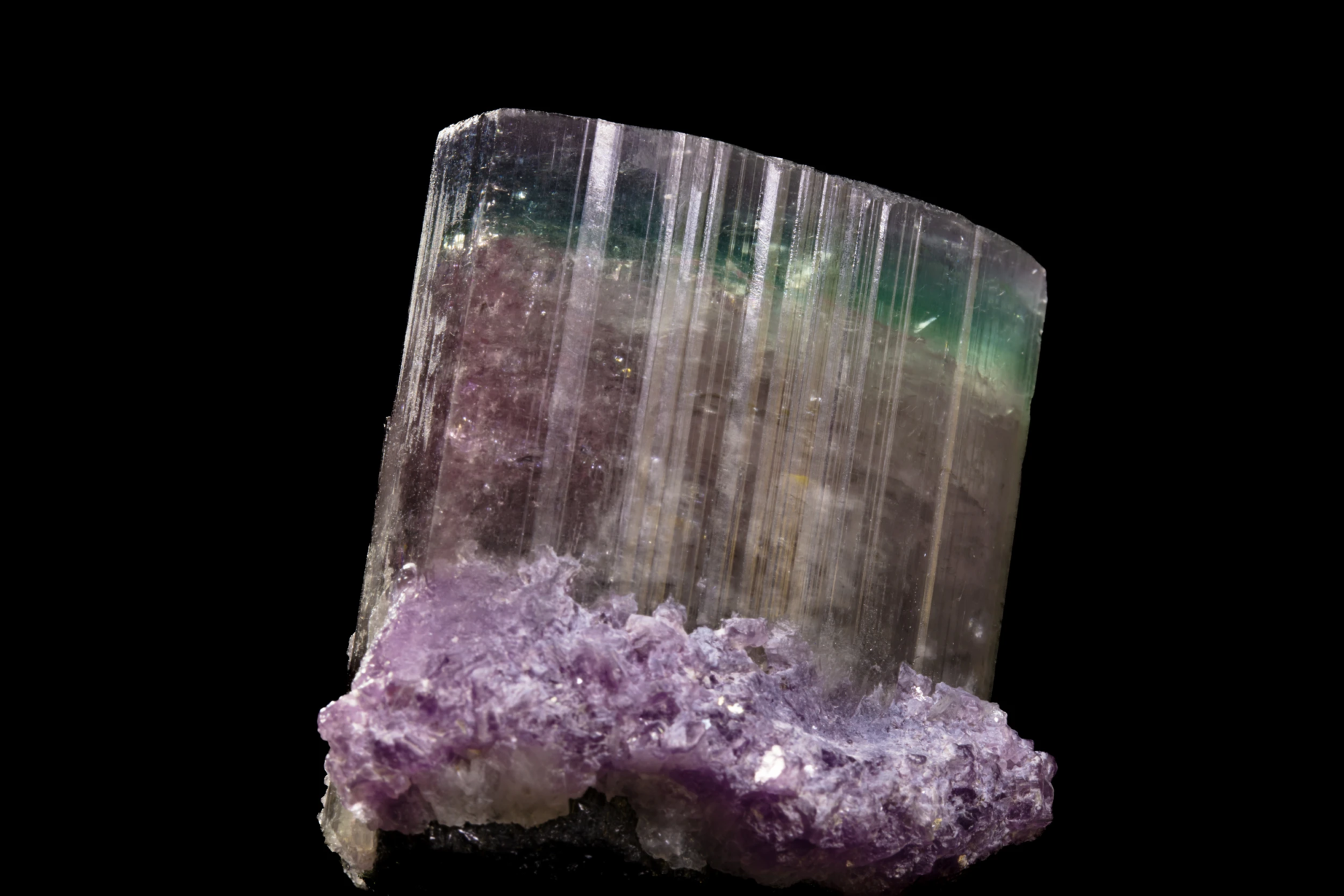
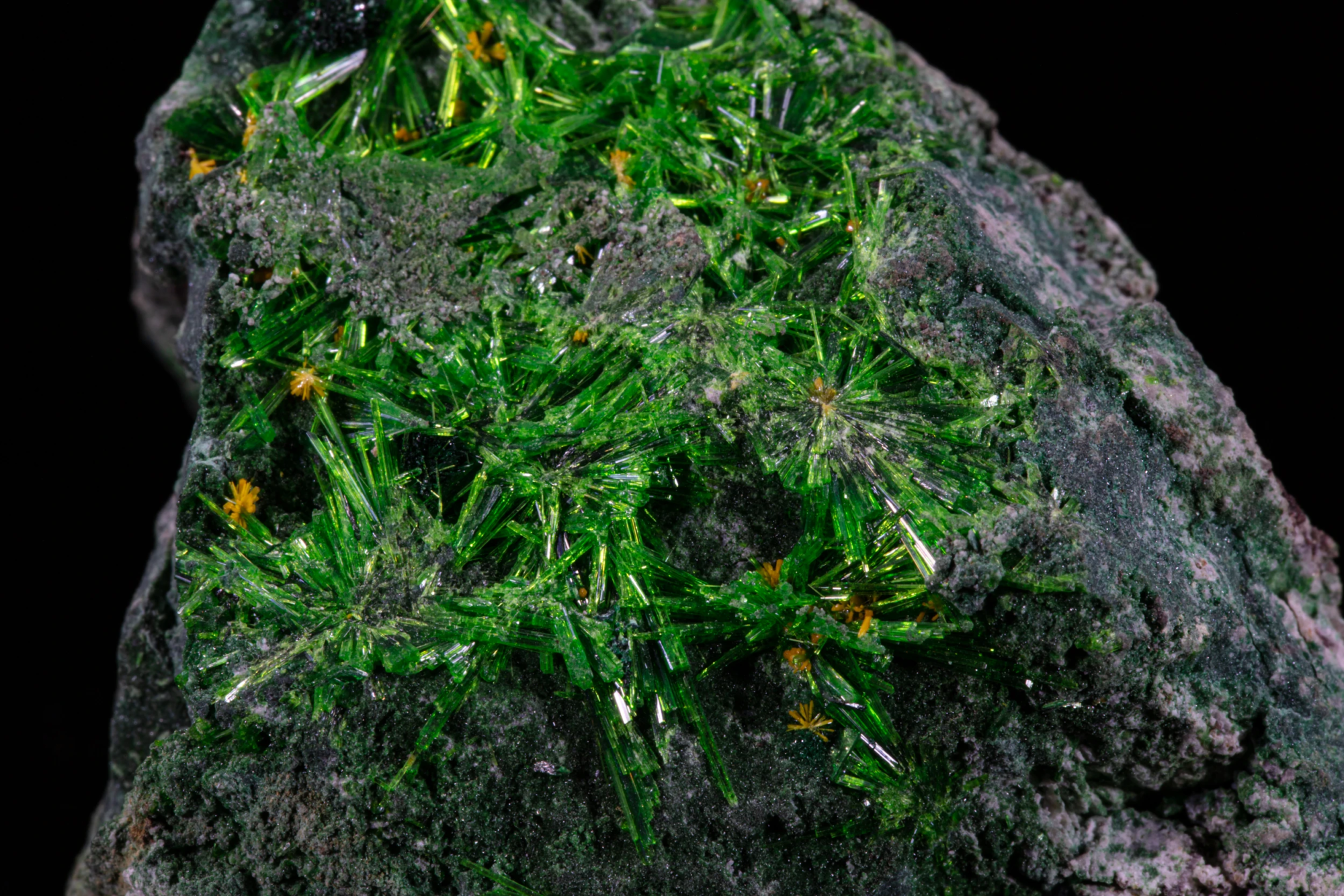
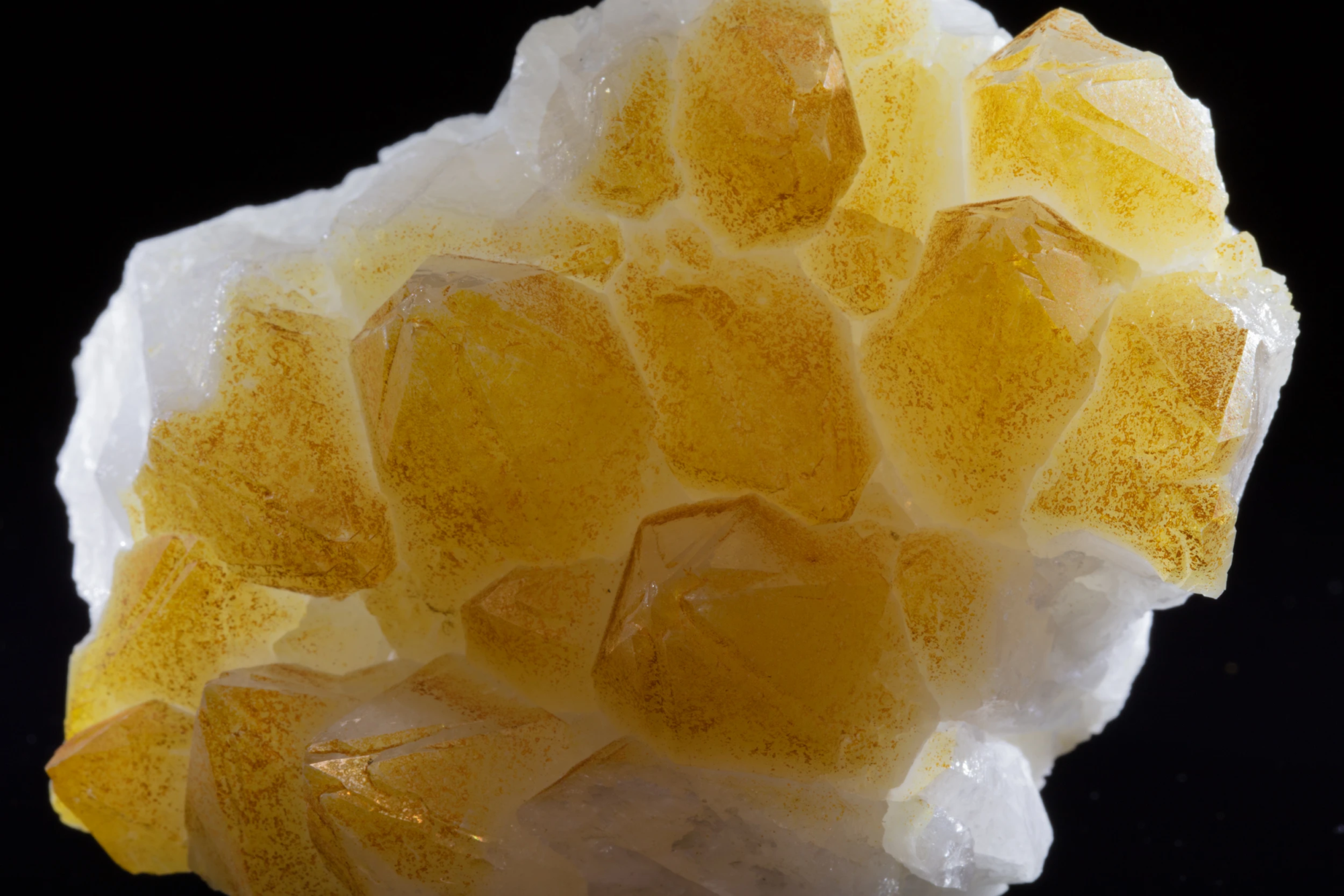
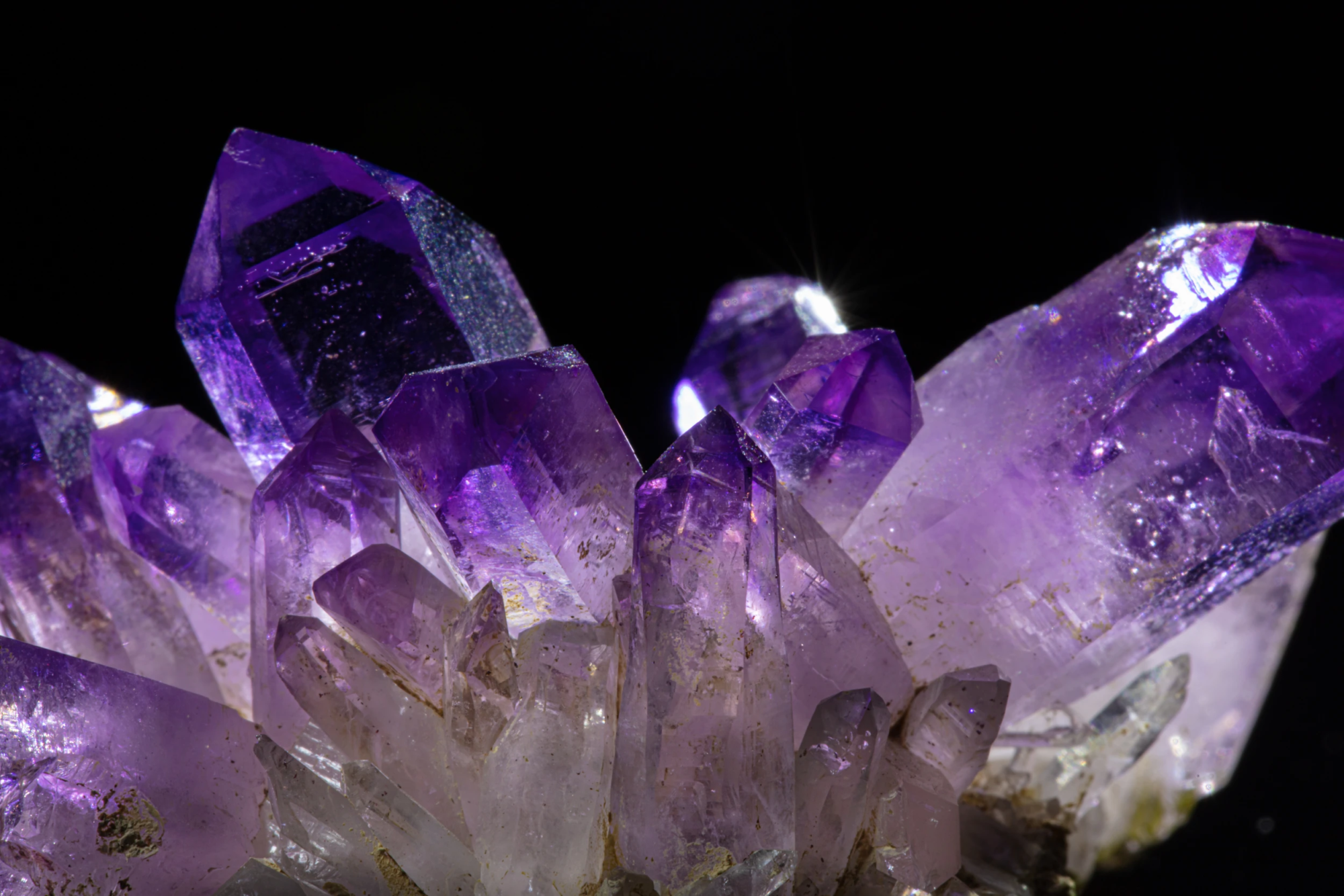
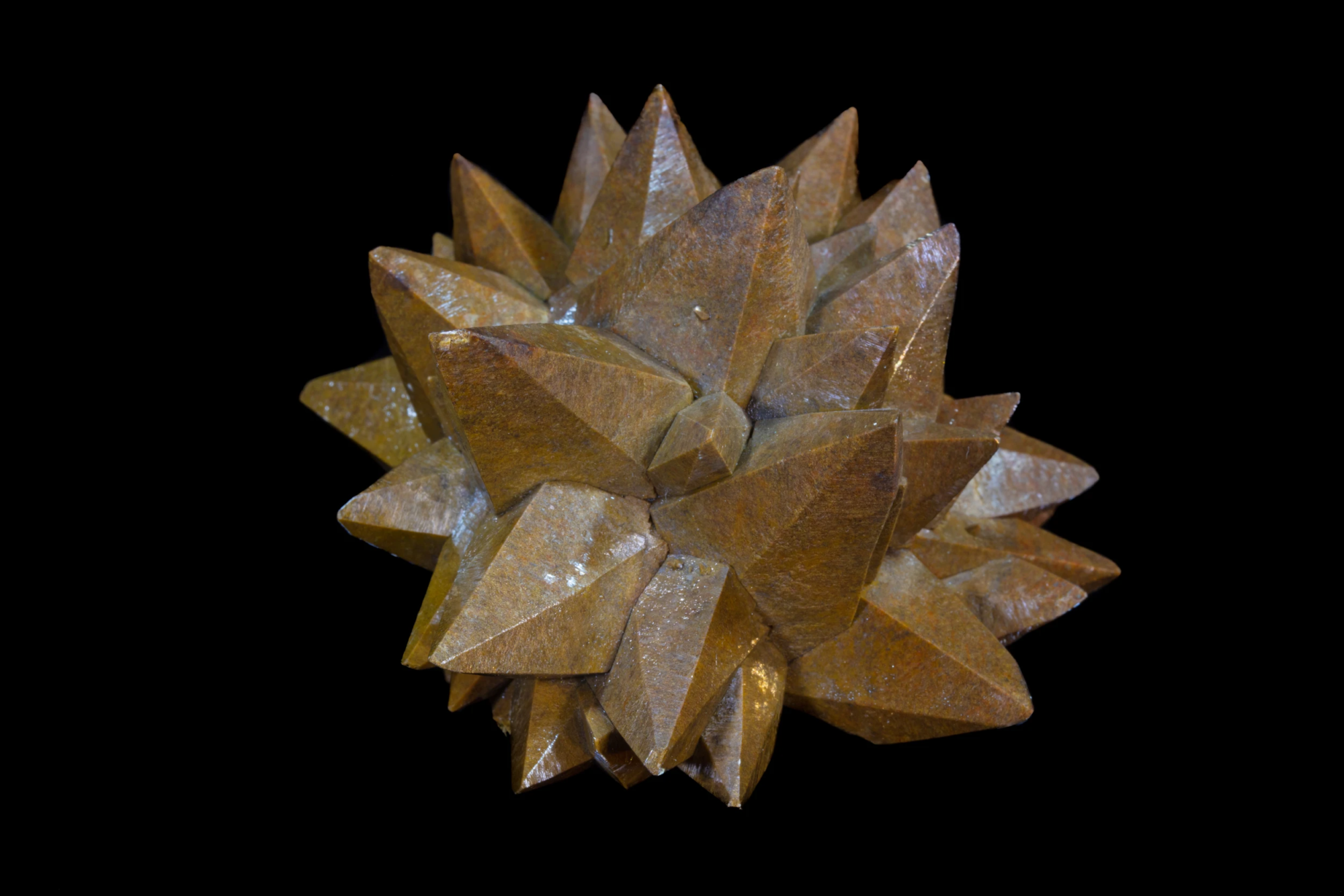
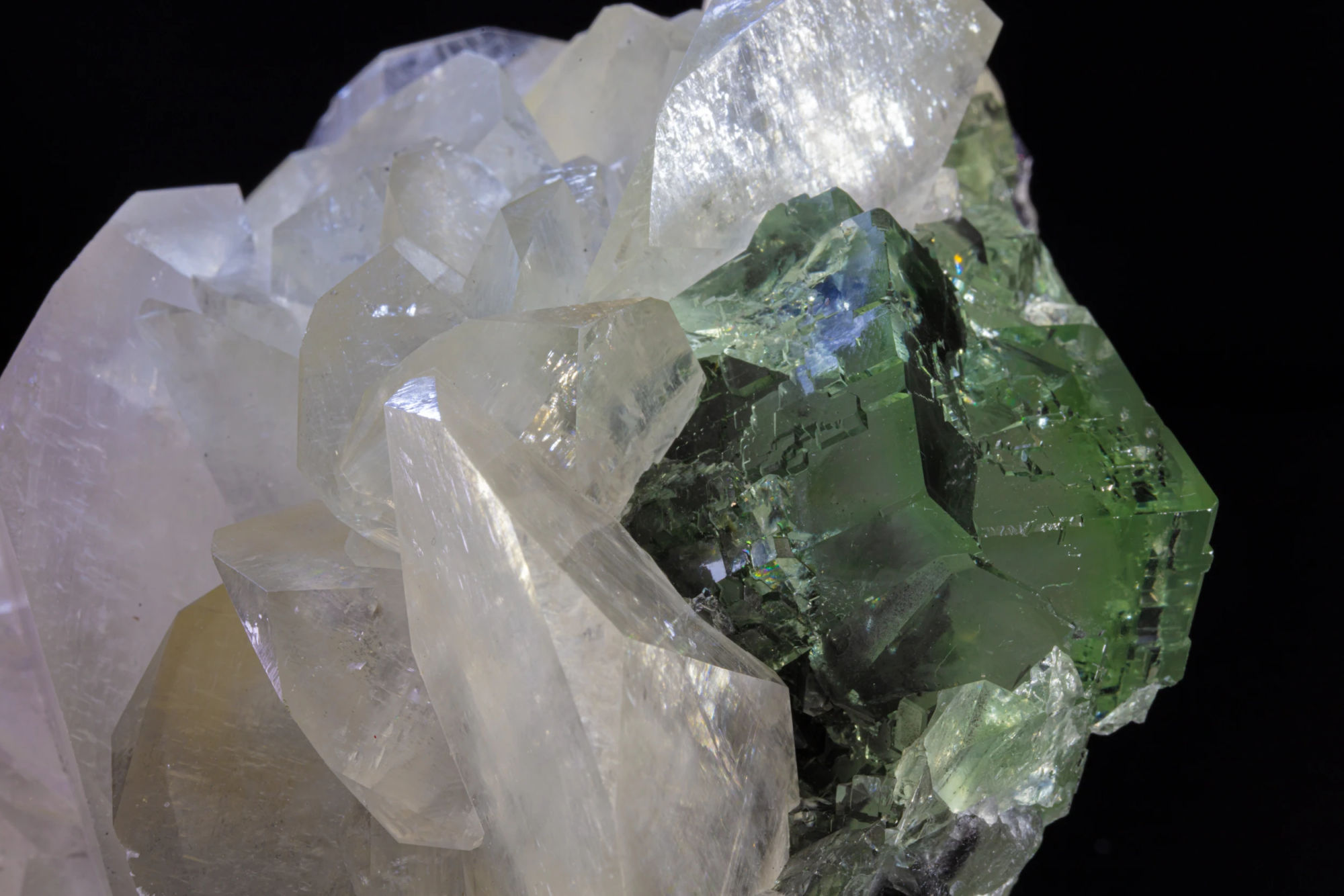
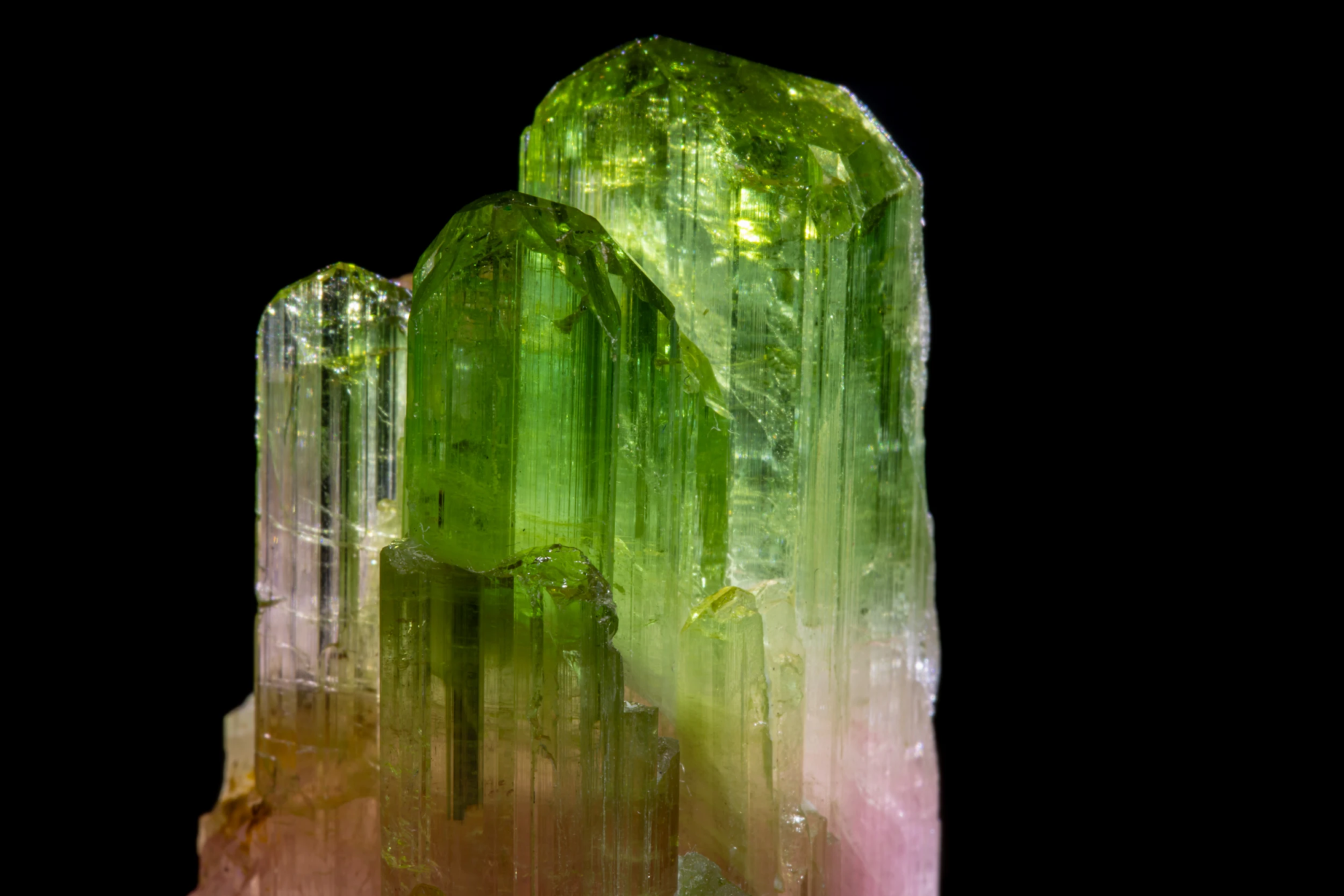
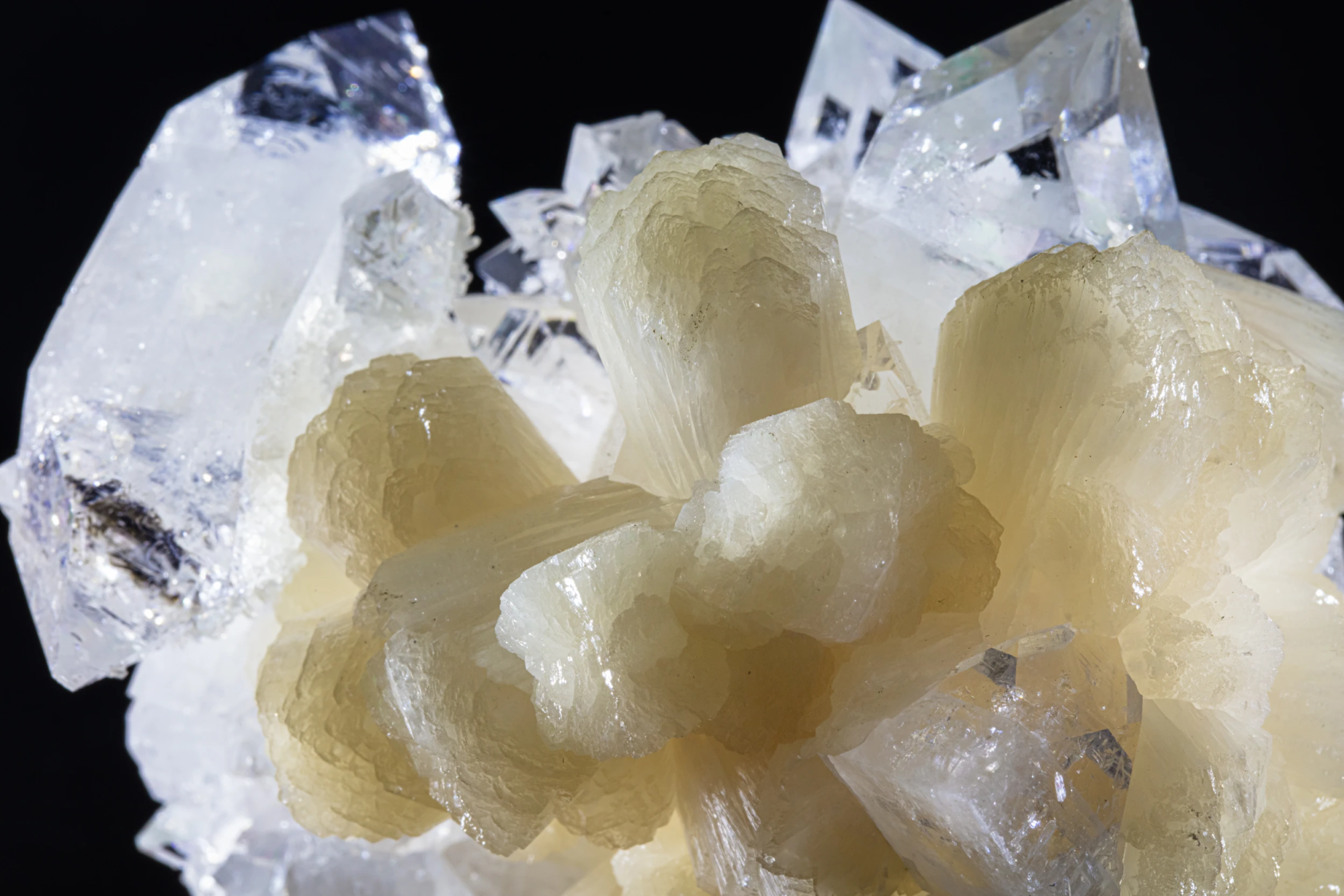
These photographs were taken for private collectors and institutions. Each one reflects a decision: which background, which light position, which angle reveals what makes this specific piece worth looking at. From macro to wide angle, from translucent crystal to the densest opaque, nothing here was set up the same way twice.
Have a photography project?