

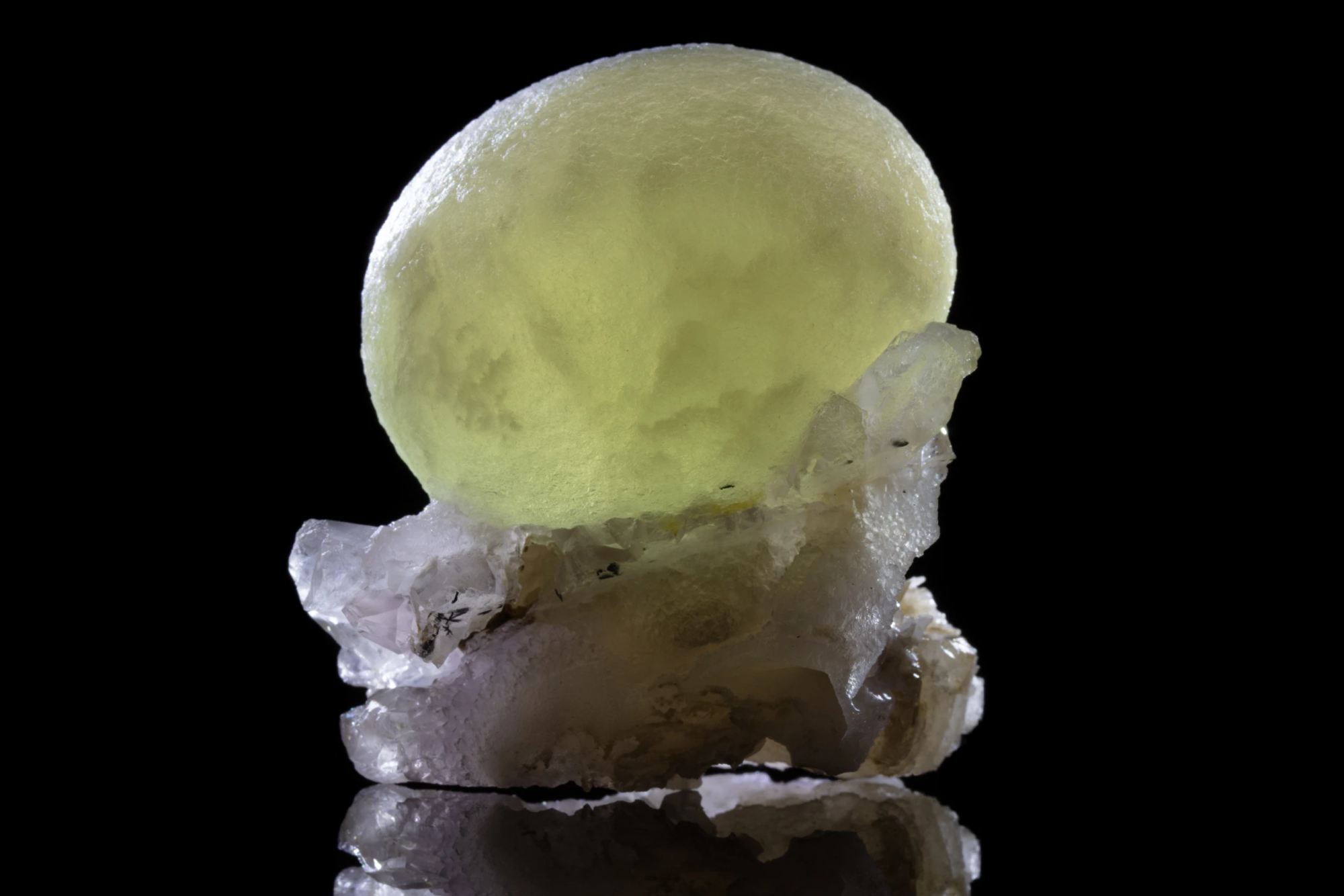
 © Minerals Photography — Camarda Visual Studio LLC
https://mineralsphotography.com/wp-content/uploads/2026/03/minerals-photography-fluorite-09-01.webp
1667
2500
Charles Camarda
http://mineralsphotography.com/wp-content/uploads/2021/09/mineralsphotographylogo-brun-300x138.png
Charles Camarda2026-10-15 06:00:352026-10-14 21:01:12Light Is the Slowest Way to Lose a Specimen
© Minerals Photography — Camarda Visual Studio LLC
https://mineralsphotography.com/wp-content/uploads/2026/03/minerals-photography-fluorite-09-01.webp
1667
2500
Charles Camarda
http://mineralsphotography.com/wp-content/uploads/2021/09/mineralsphotographylogo-brun-300x138.png
Charles Camarda2026-10-15 06:00:352026-10-14 21:01:12Light Is the Slowest Way to Lose a SpecimenMineral photography, collection management, studio practice. This blog is written for collectors who know their specimens and want to understand what goes into photographing, documenting and presenting them properly. Not a general photography blog. Not a beginner’s guide to minerals.
Articles that assume you already know what you are looking at, and that go into the detail that actually matters: how light behaves on a specific surface, why documentation changes what a collection is worth, what it takes to build a catalog that works the way a collector thinks. One article per month, on subjects that come directly from the work.
© Minerals Photography — Camarda Visual Studio LLC
https://mineralsphotography.com/wp-content/uploads/2026/03/minerals-photography-fluorite-09-01.webp
1667
2500
Charles Camarda
http://mineralsphotography.com/wp-content/uploads/2021/09/mineralsphotographylogo-brun-300x138.png
Charles Camarda2026-10-15 06:00:352026-10-14 21:01:12Light Is the Slowest Way to Lose a Specimen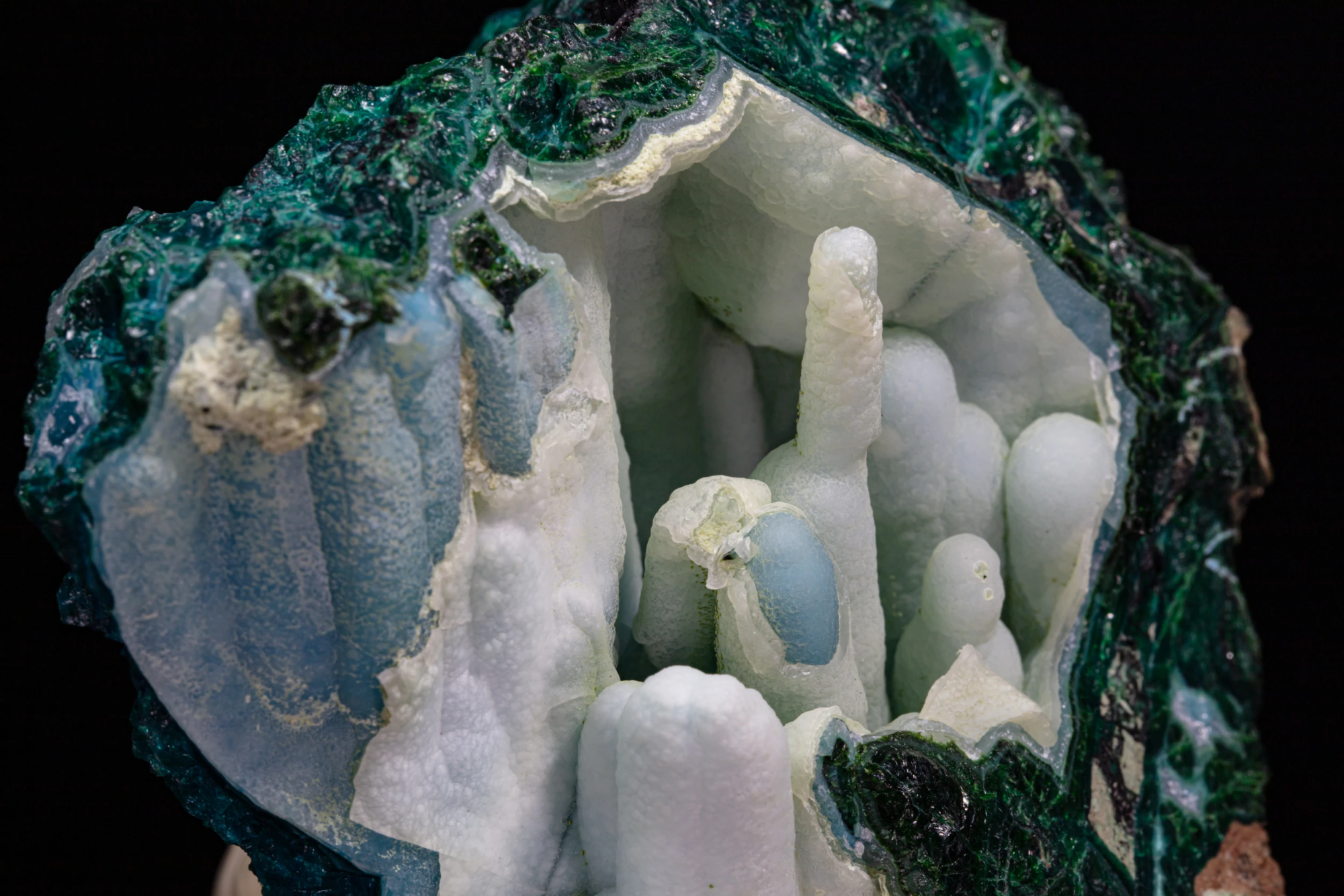 © Minerals Photography — Camarda Visual Studio LLC
https://mineralsphotography.com/wp-content/uploads/2026/03/minerals-photography-chrysocolla-coated-by-quartz-01-03.webp
1667
2500
Charles Camarda
http://mineralsphotography.com/wp-content/uploads/2021/09/mineralsphotographylogo-brun-300x138.png
Charles Camarda2026-10-01 14:14:292026-10-01 14:23:02What Five Minutes Buys a Collector
© Minerals Photography — Camarda Visual Studio LLC
https://mineralsphotography.com/wp-content/uploads/2026/03/minerals-photography-chrysocolla-coated-by-quartz-01-03.webp
1667
2500
Charles Camarda
http://mineralsphotography.com/wp-content/uploads/2021/09/mineralsphotographylogo-brun-300x138.png
Charles Camarda2026-10-01 14:14:292026-10-01 14:23:02What Five Minutes Buys a Collector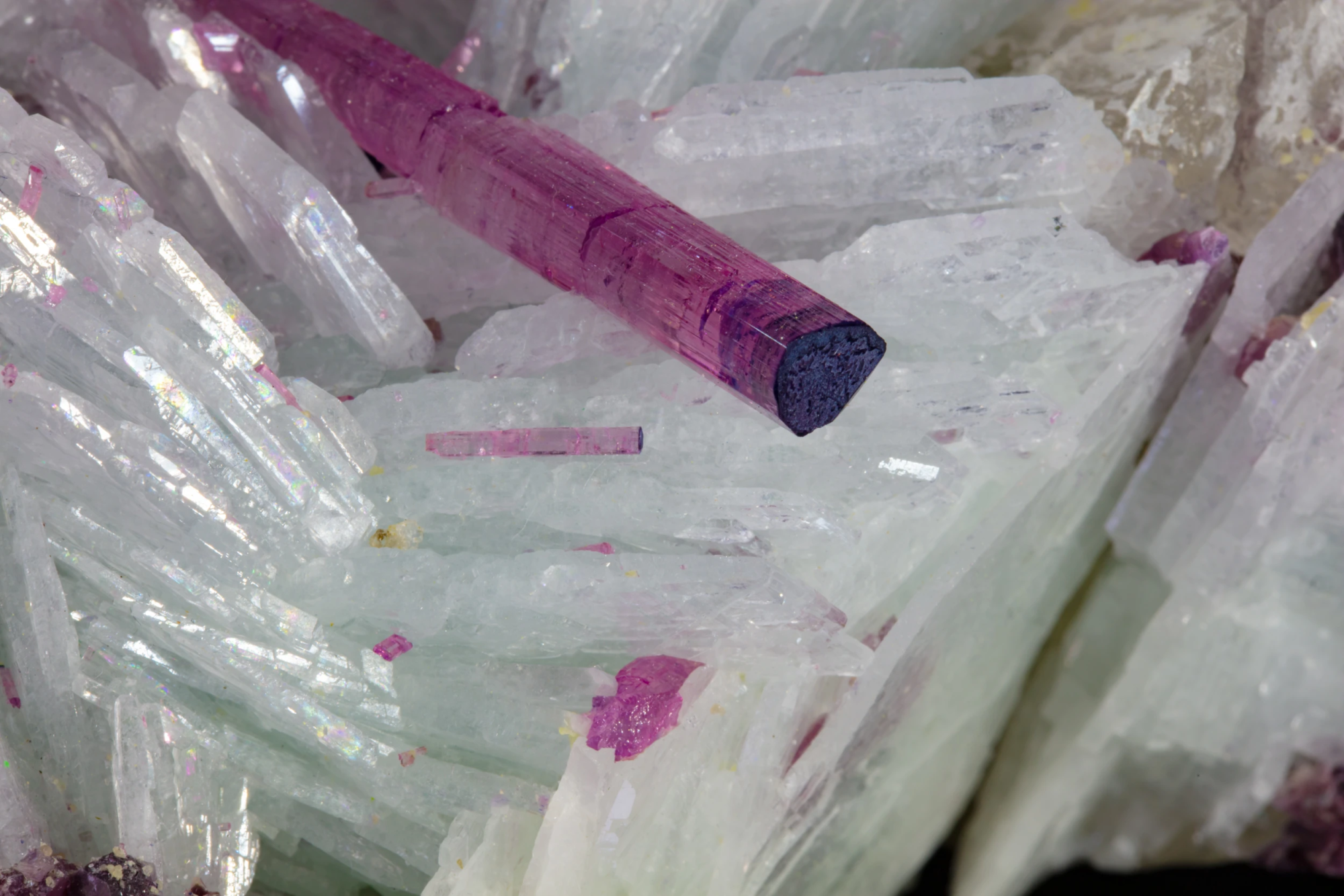 © Minerals Photography — Camarda Visual Studio LLC
https://mineralsphotography.com/wp-content/uploads/2026/03/minerals-photography-tourmaline-and-clevelandite-01-02.webp
1667
2500
Charles Camarda
http://mineralsphotography.com/wp-content/uploads/2021/09/mineralsphotographylogo-brun-300x138.png
Charles Camarda2026-09-14 16:13:312026-09-14 16:15:57A Specimen Without Its Label Is Just a Rock
© Minerals Photography — Camarda Visual Studio LLC
https://mineralsphotography.com/wp-content/uploads/2026/03/minerals-photography-tourmaline-and-clevelandite-01-02.webp
1667
2500
Charles Camarda
http://mineralsphotography.com/wp-content/uploads/2021/09/mineralsphotographylogo-brun-300x138.png
Charles Camarda2026-09-14 16:13:312026-09-14 16:15:57A Specimen Without Its Label Is Just a Rock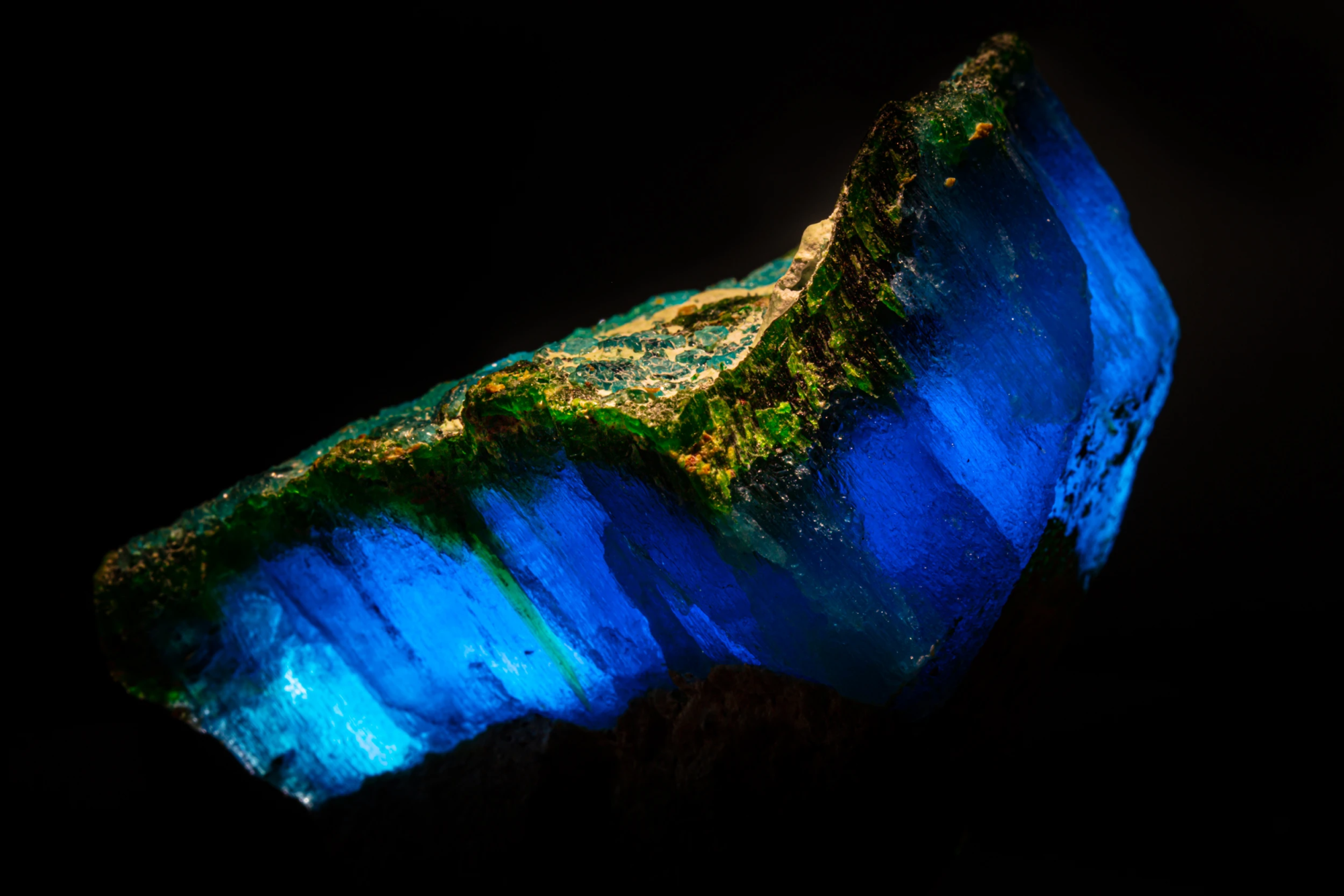 © Minerals Photography — Camarda Visual Studio LLC
https://mineralsphotography.com/wp-content/uploads/2026/03/minerals-photography-krohnkite-and-natrochalcite-01-05.webp
1667
2500
Charles Camarda
http://mineralsphotography.com/wp-content/uploads/2021/09/mineralsphotographylogo-brun-300x138.png
Charles Camarda2026-08-03 15:17:592026-08-03 15:21:15The Difference Between a Beauty Shot and an Honest One
© Minerals Photography — Camarda Visual Studio LLC
https://mineralsphotography.com/wp-content/uploads/2026/03/minerals-photography-krohnkite-and-natrochalcite-01-05.webp
1667
2500
Charles Camarda
http://mineralsphotography.com/wp-content/uploads/2021/09/mineralsphotographylogo-brun-300x138.png
Charles Camarda2026-08-03 15:17:592026-08-03 15:21:15The Difference Between a Beauty Shot and an Honest One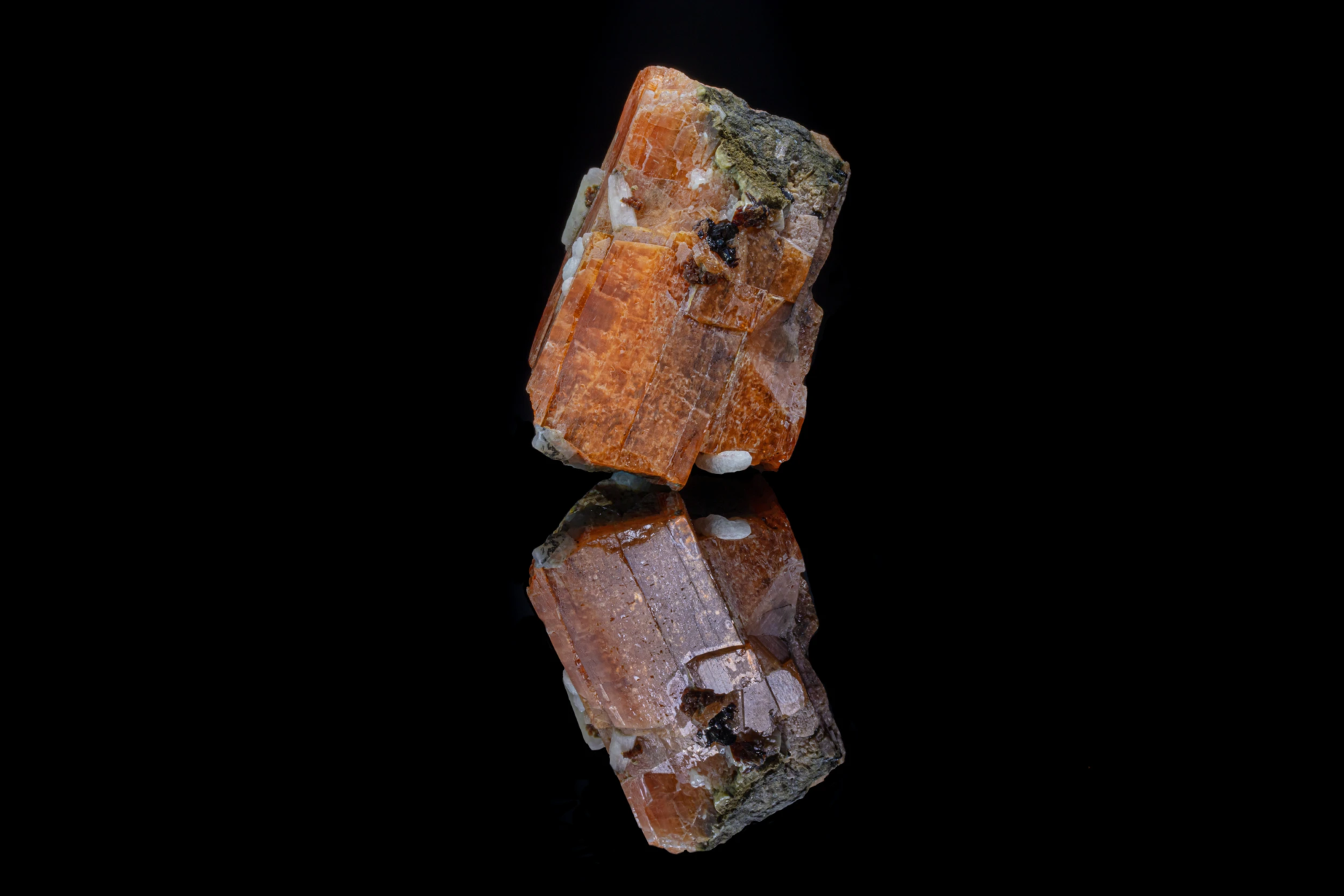 © Minerals Photography — Camarda Visual Studio LLC
https://mineralsphotography.com/wp-content/uploads/2026/03/minerals-photography-serandite-01-01.webp
1667
2500
Charles Camarda
http://mineralsphotography.com/wp-content/uploads/2021/09/mineralsphotographylogo-brun-300x138.png
Charles Camarda2026-07-19 11:07:472026-07-19 11:17:50Why the Same Mineral Photograph Looks Different on Every Screen
© Minerals Photography — Camarda Visual Studio LLC
https://mineralsphotography.com/wp-content/uploads/2026/03/minerals-photography-serandite-01-01.webp
1667
2500
Charles Camarda
http://mineralsphotography.com/wp-content/uploads/2021/09/mineralsphotographylogo-brun-300x138.png
Charles Camarda2026-07-19 11:07:472026-07-19 11:17:50Why the Same Mineral Photograph Looks Different on Every Screen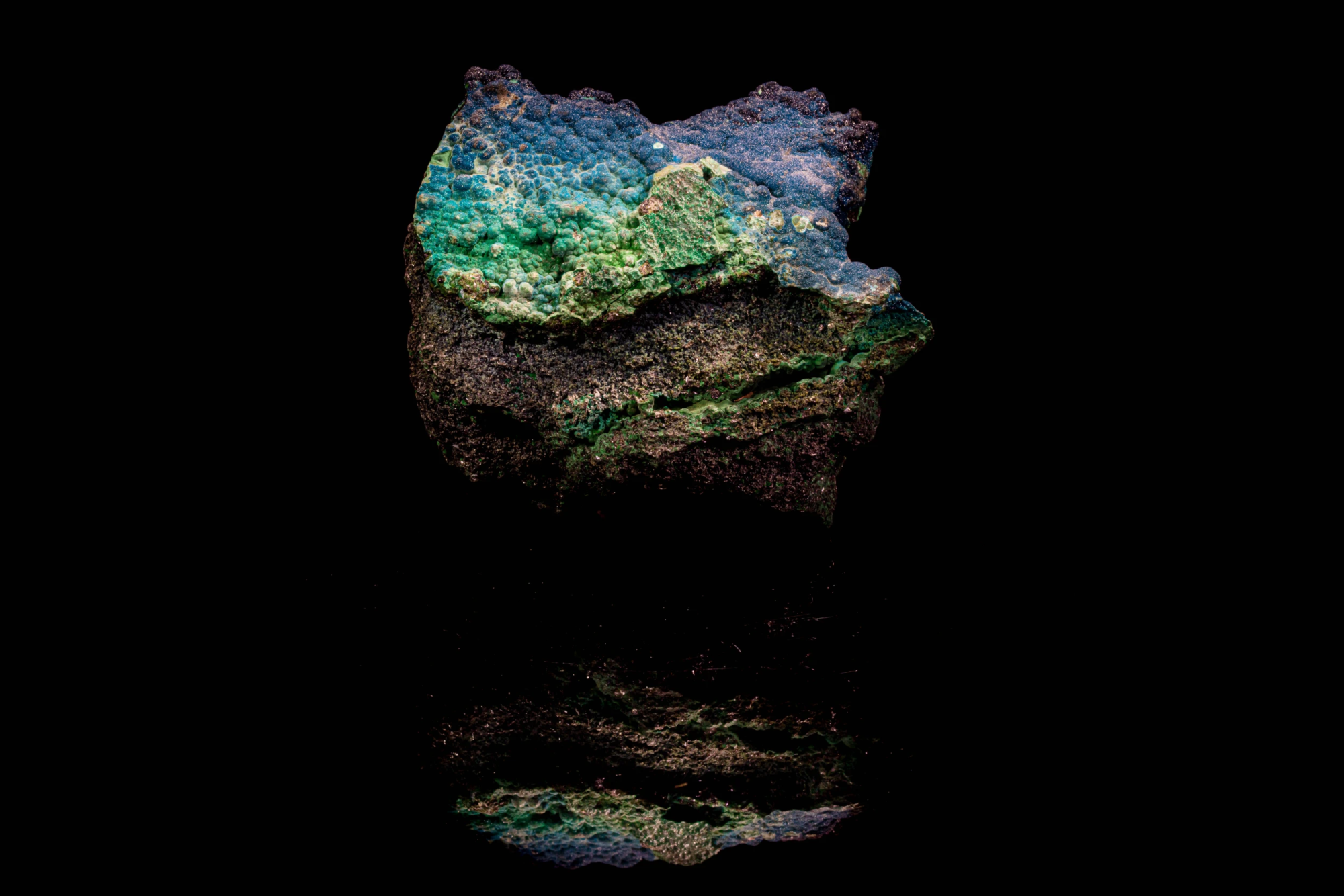 © Camarda Visual Studio LLC — Minerals Photography — All rights reserved
https://mineralsphotography.com/wp-content/uploads/2026/07/minerals-photography-cornetite-congo-01-01.webp
1667
2500
Charles Camarda
http://mineralsphotography.com/wp-content/uploads/2021/09/mineralsphotographylogo-brun-300x138.png
Charles Camarda2026-07-02 06:00:062026-07-01 22:17:22Cornetite — The First Mineral Discovered in the Congo
© Camarda Visual Studio LLC — Minerals Photography — All rights reserved
https://mineralsphotography.com/wp-content/uploads/2026/07/minerals-photography-cornetite-congo-01-01.webp
1667
2500
Charles Camarda
http://mineralsphotography.com/wp-content/uploads/2021/09/mineralsphotographylogo-brun-300x138.png
Charles Camarda2026-07-02 06:00:062026-07-01 22:17:22Cornetite — The First Mineral Discovered in the Congo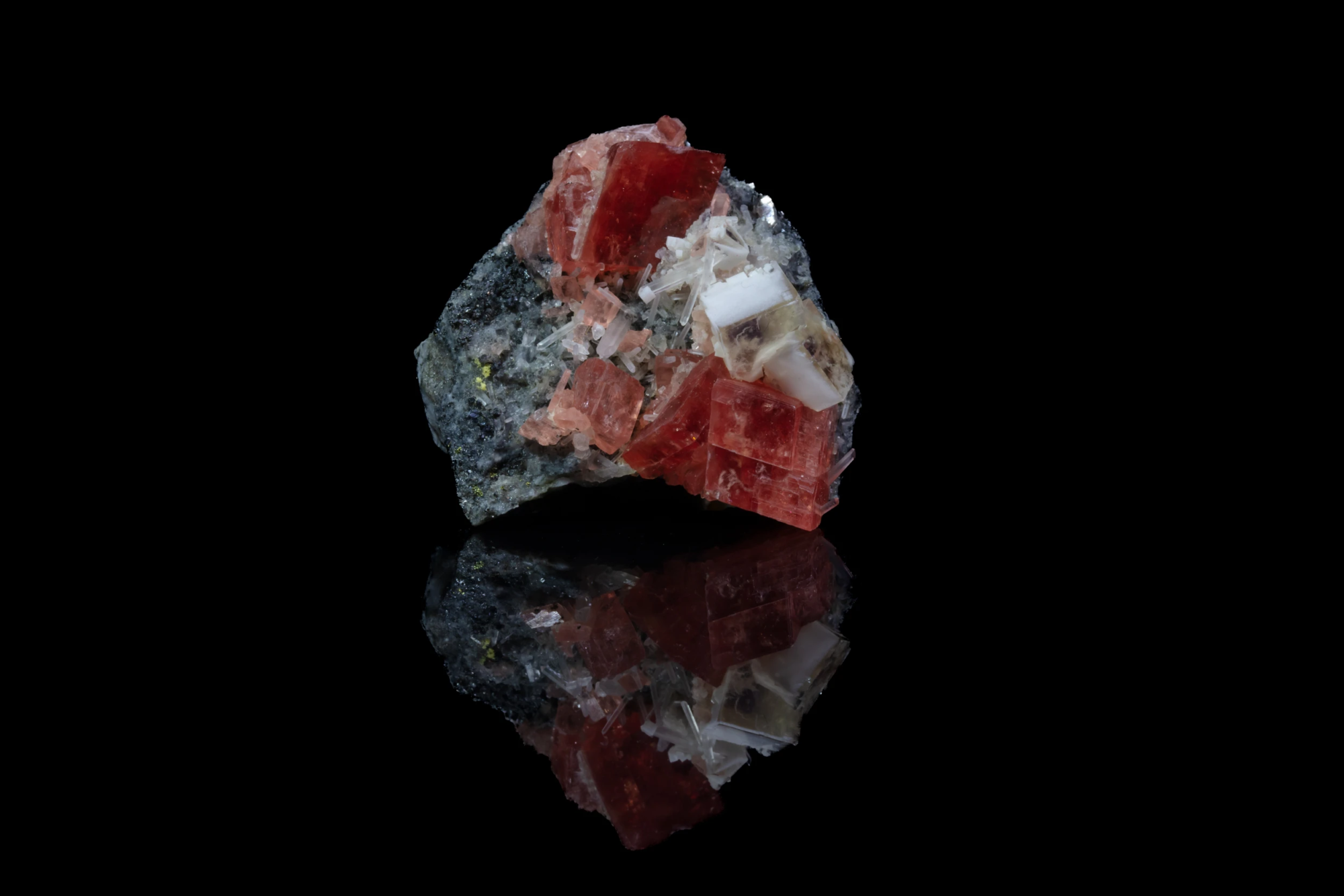 © Minerals Photography — Camarda Visual Studio LLC
https://mineralsphotography.com/wp-content/uploads/2026/03/minerals-photography-rhodochrosite-02-01.webp
1667
2500
Charles Camarda
http://mineralsphotography.com/wp-content/uploads/2021/09/mineralsphotographylogo-brun-300x138.png
Charles Camarda2026-06-12 10:47:532026-06-12 11:13:26How Rock of Science Came to Be
© Minerals Photography — Camarda Visual Studio LLC
https://mineralsphotography.com/wp-content/uploads/2026/03/minerals-photography-rhodochrosite-02-01.webp
1667
2500
Charles Camarda
http://mineralsphotography.com/wp-content/uploads/2021/09/mineralsphotographylogo-brun-300x138.png
Charles Camarda2026-06-12 10:47:532026-06-12 11:13:26How Rock of Science Came to Be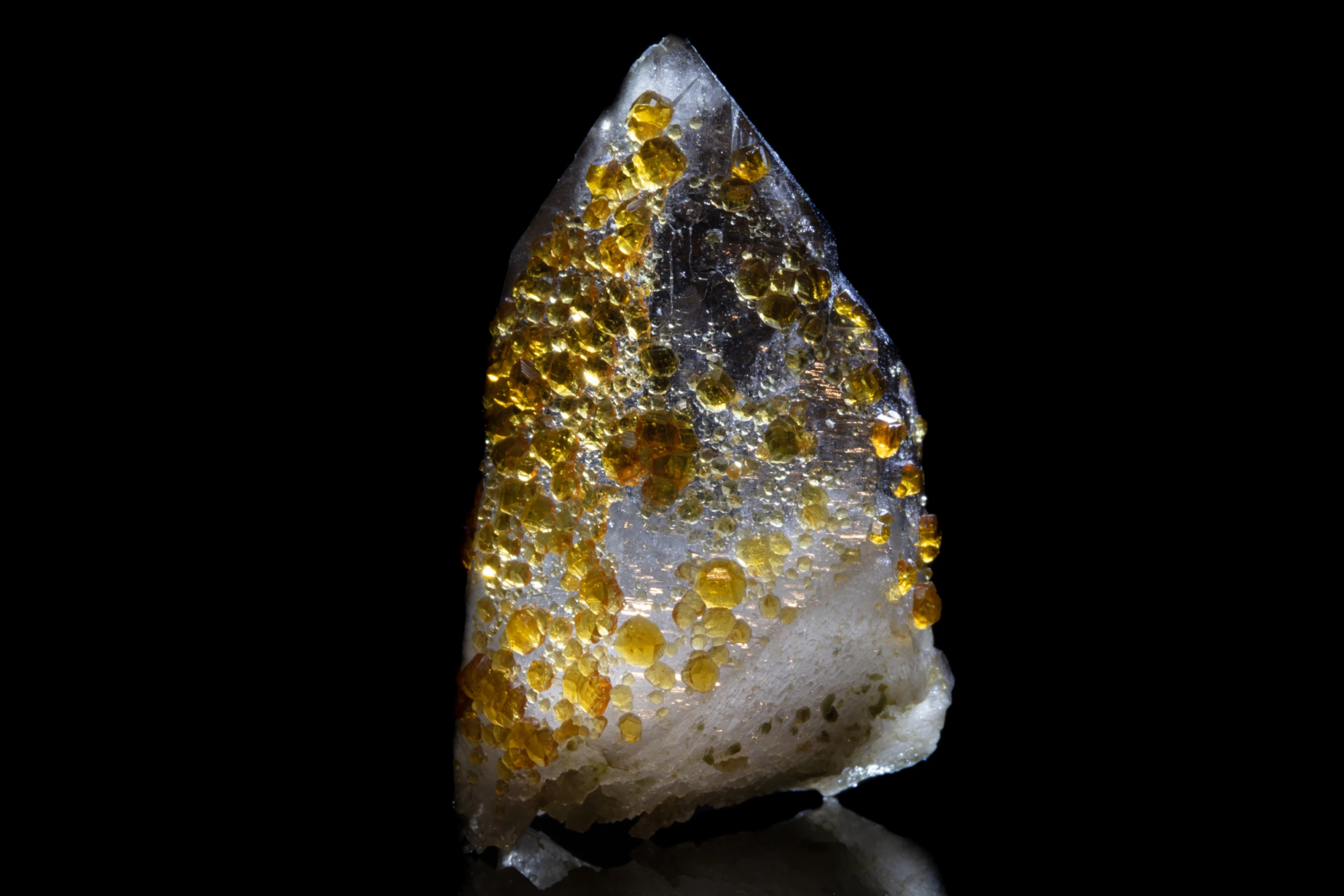 © Minerals Photography — Camarda Visual Studio LLC
https://mineralsphotography.com/wp-content/uploads/2026/03/minerals-photography-spessartine-garnet-on-smoky-quartz-01-03.webp
1667
2500
Charles Camarda
http://mineralsphotography.com/wp-content/uploads/2021/09/mineralsphotographylogo-brun-300x138.png
Charles Camarda2026-06-05 06:00:572026-06-12 10:14:04From the Shot to the Delivered File — Post-Production for Mineral Photography
© Minerals Photography — Camarda Visual Studio LLC
https://mineralsphotography.com/wp-content/uploads/2026/03/minerals-photography-spessartine-garnet-on-smoky-quartz-01-03.webp
1667
2500
Charles Camarda
http://mineralsphotography.com/wp-content/uploads/2021/09/mineralsphotographylogo-brun-300x138.png
Charles Camarda2026-06-05 06:00:572026-06-12 10:14:04From the Shot to the Delivered File — Post-Production for Mineral Photography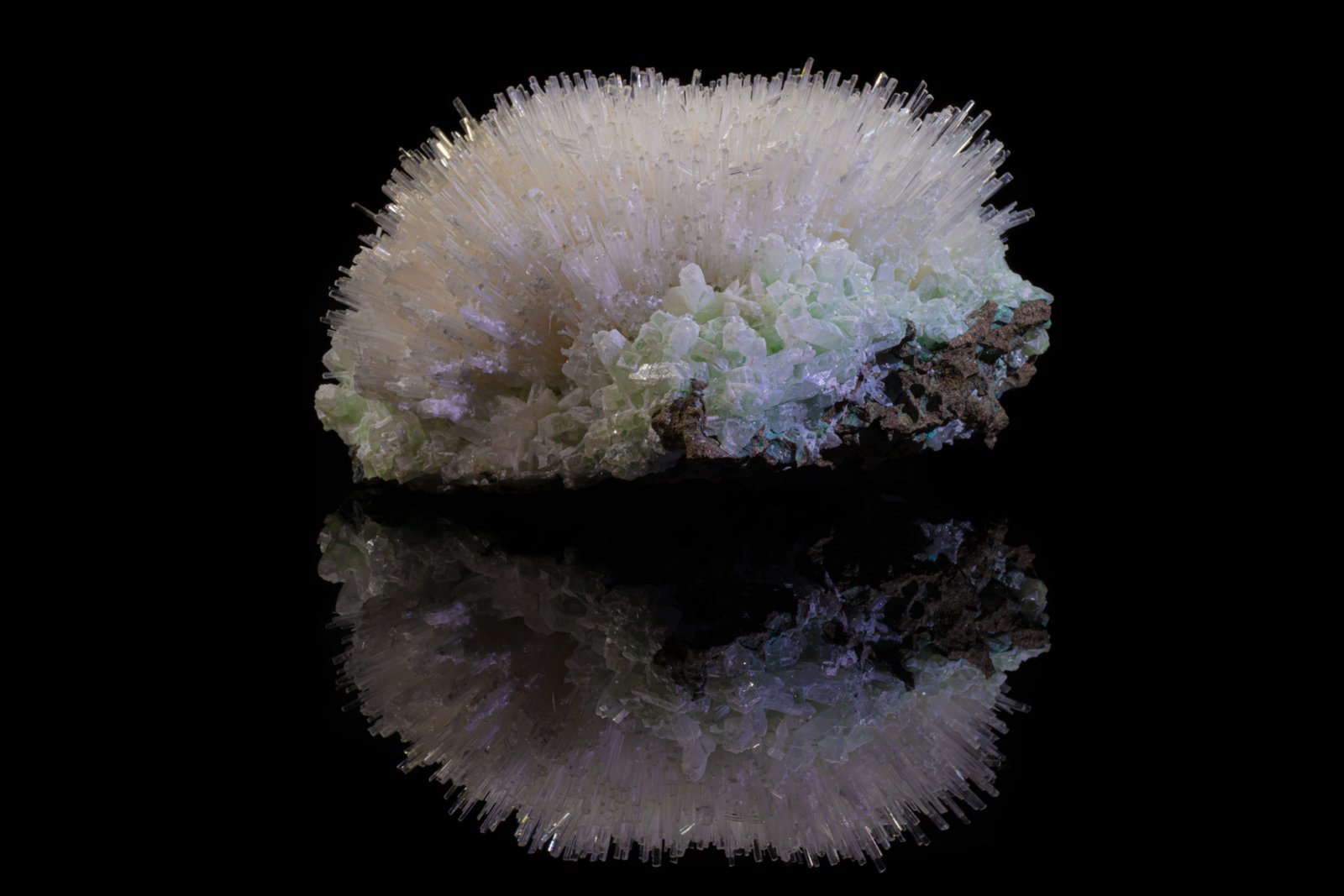 © Minerals Photography — Camarda Visual Studio LLC
https://mineralsphotography.com/wp-content/uploads/2026/03/Minerals-Photography-Mesolite-on-Apophyllite-01-01.jpg
1667
2500
Charles Camarda
http://mineralsphotography.com/wp-content/uploads/2021/09/mineralsphotographylogo-brun-300x138.png
Charles Camarda2026-05-23 08:01:492026-05-23 08:20:31When the Specimen Cannot Come to the Studio
© Minerals Photography — Camarda Visual Studio LLC
https://mineralsphotography.com/wp-content/uploads/2026/03/Minerals-Photography-Mesolite-on-Apophyllite-01-01.jpg
1667
2500
Charles Camarda
http://mineralsphotography.com/wp-content/uploads/2021/09/mineralsphotographylogo-brun-300x138.png
Charles Camarda2026-05-23 08:01:492026-05-23 08:20:31When the Specimen Cannot Come to the Studio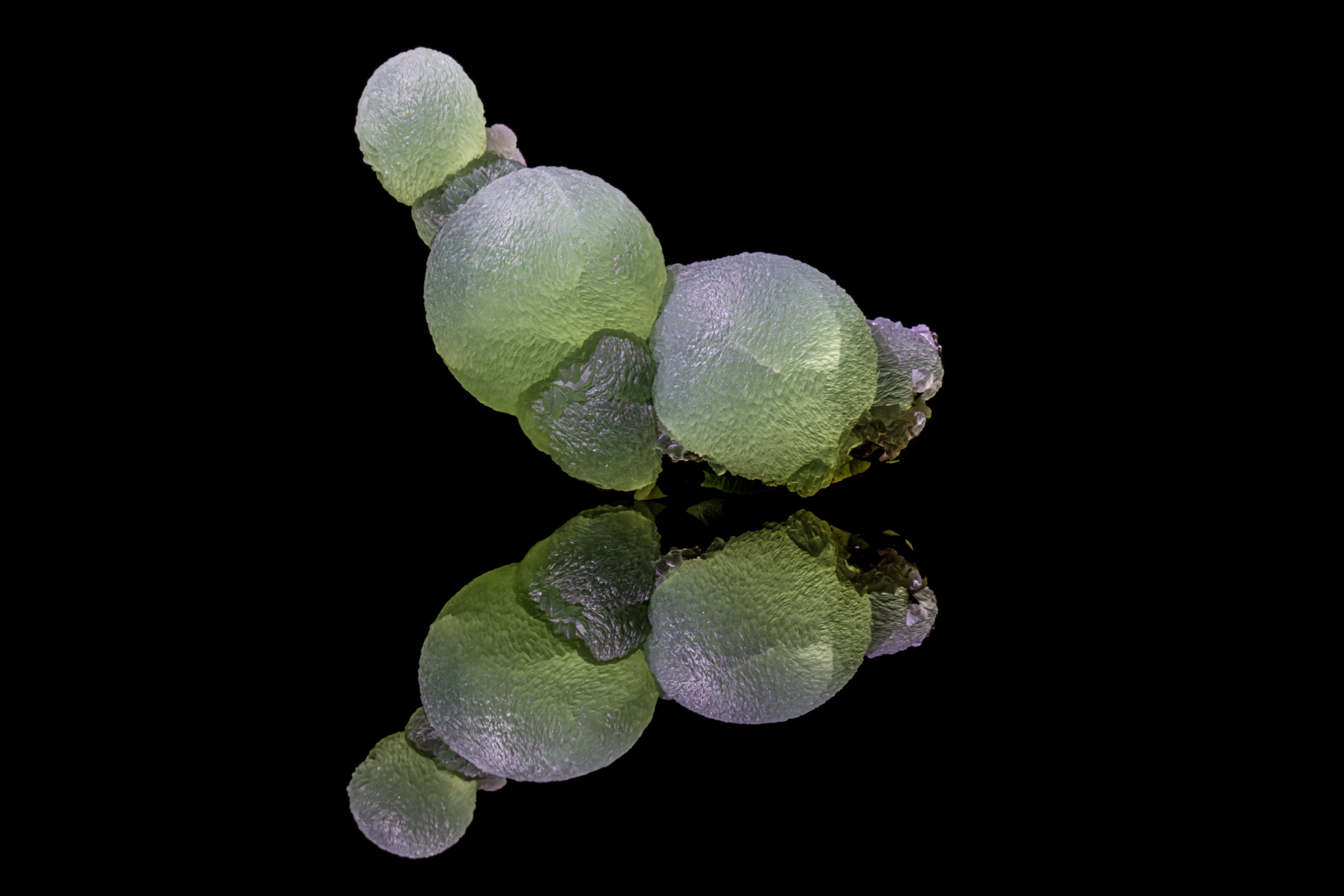 © Minerals Photography — Camarda Visual Studio LLC
https://mineralsphotography.com/wp-content/uploads/2026/03/minerals-photography-prehnite-on-epidote-01-01.webp
1667
2500
Charles Camarda
http://mineralsphotography.com/wp-content/uploads/2021/09/mineralsphotographylogo-brun-300x138.png
Charles Camarda2026-05-15 06:00:002026-05-23 07:32:41How to Photograph Your Mineral Collection with a Smartphone
© Minerals Photography — Camarda Visual Studio LLC
https://mineralsphotography.com/wp-content/uploads/2026/03/minerals-photography-prehnite-on-epidote-01-01.webp
1667
2500
Charles Camarda
http://mineralsphotography.com/wp-content/uploads/2021/09/mineralsphotographylogo-brun-300x138.png
Charles Camarda2026-05-15 06:00:002026-05-23 07:32:41How to Photograph Your Mineral Collection with a Smartphone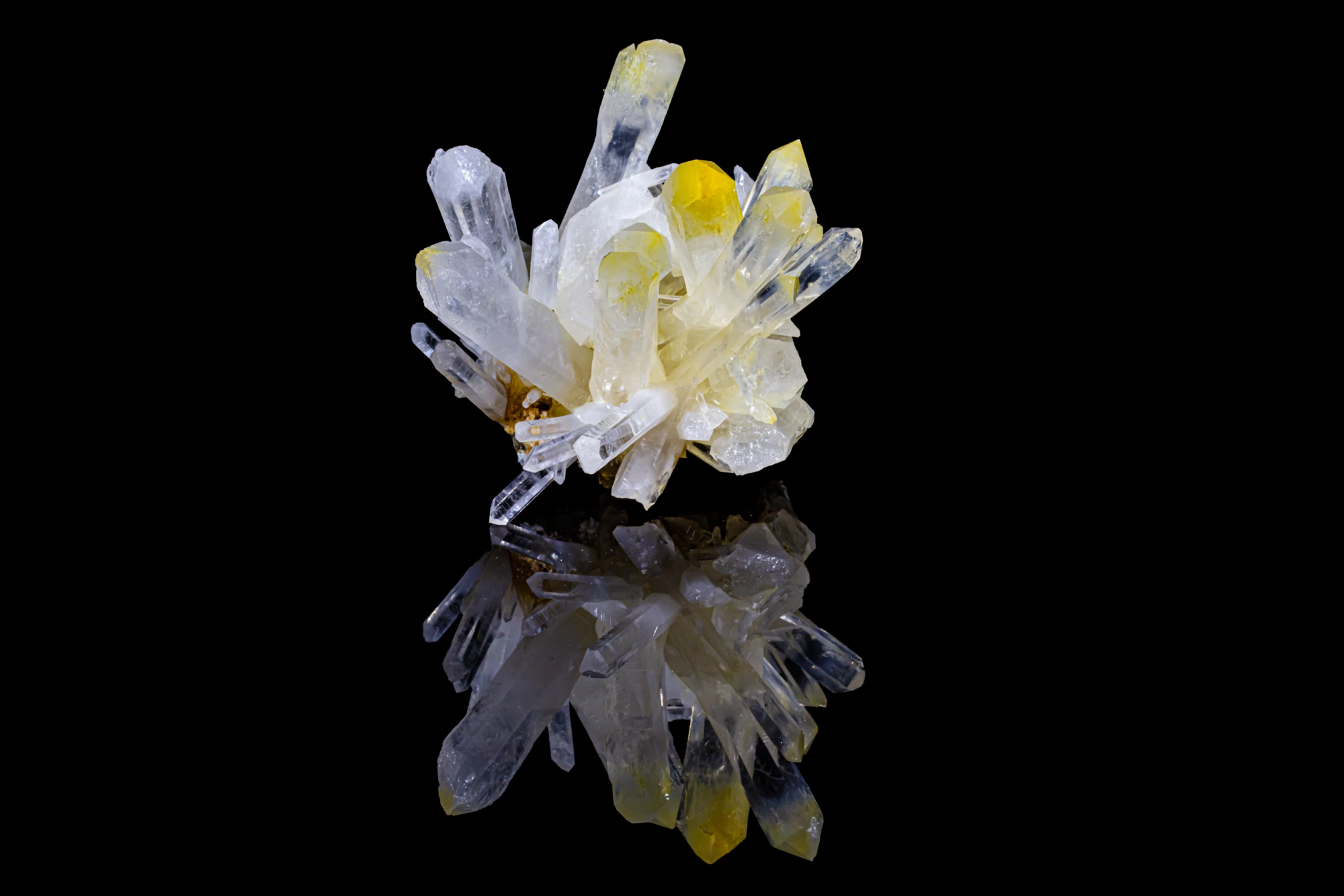 © Minerals Photography — Camarda Visual Studio LLC
https://mineralsphotography.com/wp-content/uploads/2026/03/minerals-photography-quartz-with-halloysite-01-01.webp
1667
2500
Charles Camarda
http://mineralsphotography.com/wp-content/uploads/2021/09/mineralsphotographylogo-brun-300x138.png
Charles Camarda2026-05-01 06:00:002026-04-30 16:57:14The Invisible Risks Every Mineral Collector Should Know
© Minerals Photography — Camarda Visual Studio LLC
https://mineralsphotography.com/wp-content/uploads/2026/03/minerals-photography-quartz-with-halloysite-01-01.webp
1667
2500
Charles Camarda
http://mineralsphotography.com/wp-content/uploads/2021/09/mineralsphotographylogo-brun-300x138.png
Charles Camarda2026-05-01 06:00:002026-04-30 16:57:14The Invisible Risks Every Mineral Collector Should Know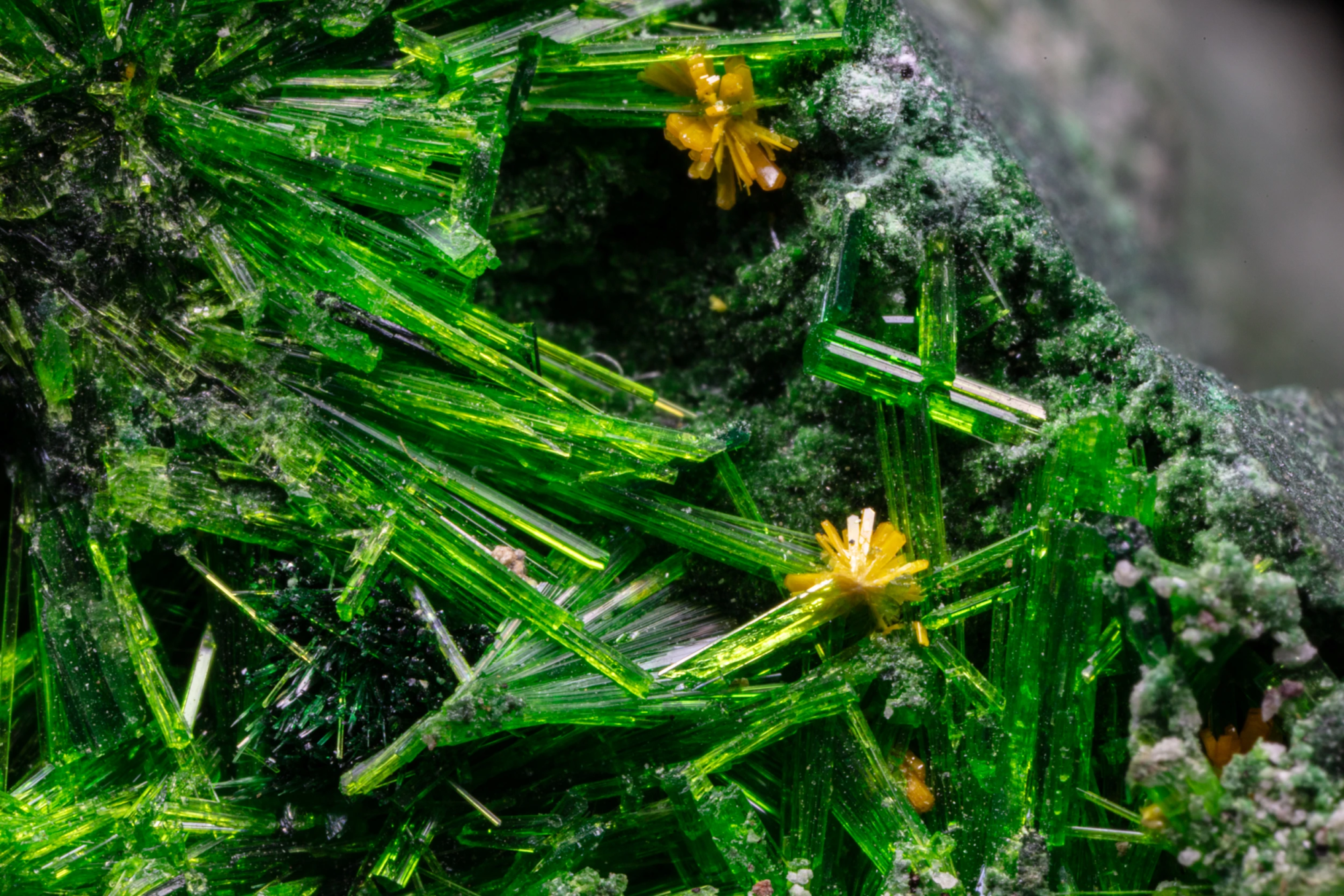 © Minerals Photography — Camarda Visual Studio LLC
https://mineralsphotography.com/wp-content/uploads/2026/03/minerals-photography-cuprosklodowskite-01-02.webp
1667
2500
Charles Camarda
http://mineralsphotography.com/wp-content/uploads/2021/09/mineralsphotographylogo-brun-300x138.png
Charles Camarda2026-04-24 06:00:002026-04-18 16:04:13Macro and Microphotography — What Your Mineral Specimens Look Like Beyond the Naked Eye
© Minerals Photography — Camarda Visual Studio LLC
https://mineralsphotography.com/wp-content/uploads/2026/03/minerals-photography-cuprosklodowskite-01-02.webp
1667
2500
Charles Camarda
http://mineralsphotography.com/wp-content/uploads/2021/09/mineralsphotographylogo-brun-300x138.png
Charles Camarda2026-04-24 06:00:002026-04-18 16:04:13Macro and Microphotography — What Your Mineral Specimens Look Like Beyond the Naked Eye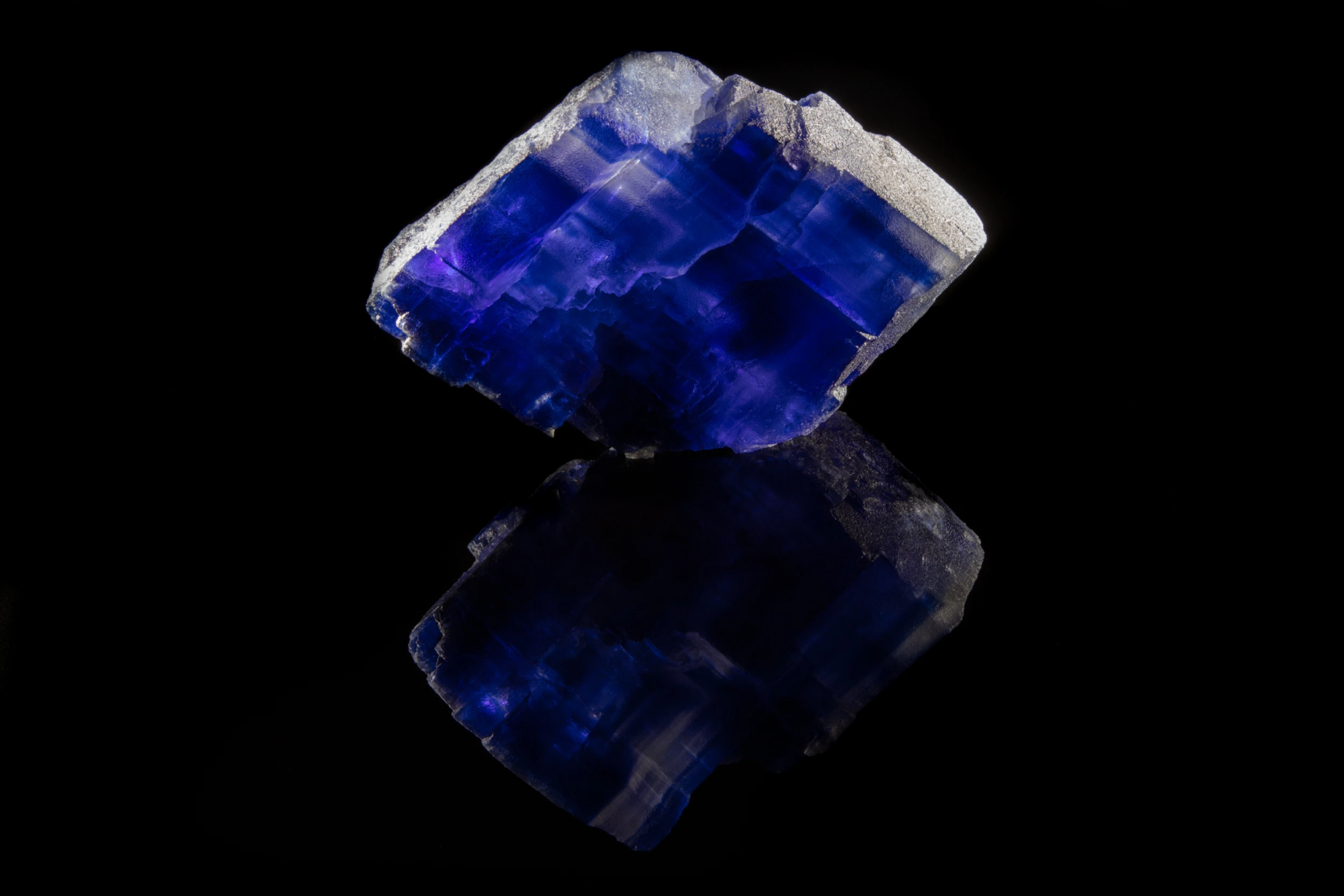 © Minerals Photography — Camarda Visual Studio LLC
https://mineralsphotography.com/wp-content/uploads/2026/04/minerals-photography-halite-02-04.webp
1667
2500
Charles Camarda
http://mineralsphotography.com/wp-content/uploads/2021/09/mineralsphotographylogo-brun-300x138.png
Charles Camarda2026-04-17 06:00:002026-04-14 12:10:53Why We Use a Mirror Background for Mineral Photography
© Minerals Photography — Camarda Visual Studio LLC
https://mineralsphotography.com/wp-content/uploads/2026/04/minerals-photography-halite-02-04.webp
1667
2500
Charles Camarda
http://mineralsphotography.com/wp-content/uploads/2021/09/mineralsphotographylogo-brun-300x138.png
Charles Camarda2026-04-17 06:00:002026-04-14 12:10:53Why We Use a Mirror Background for Mineral Photography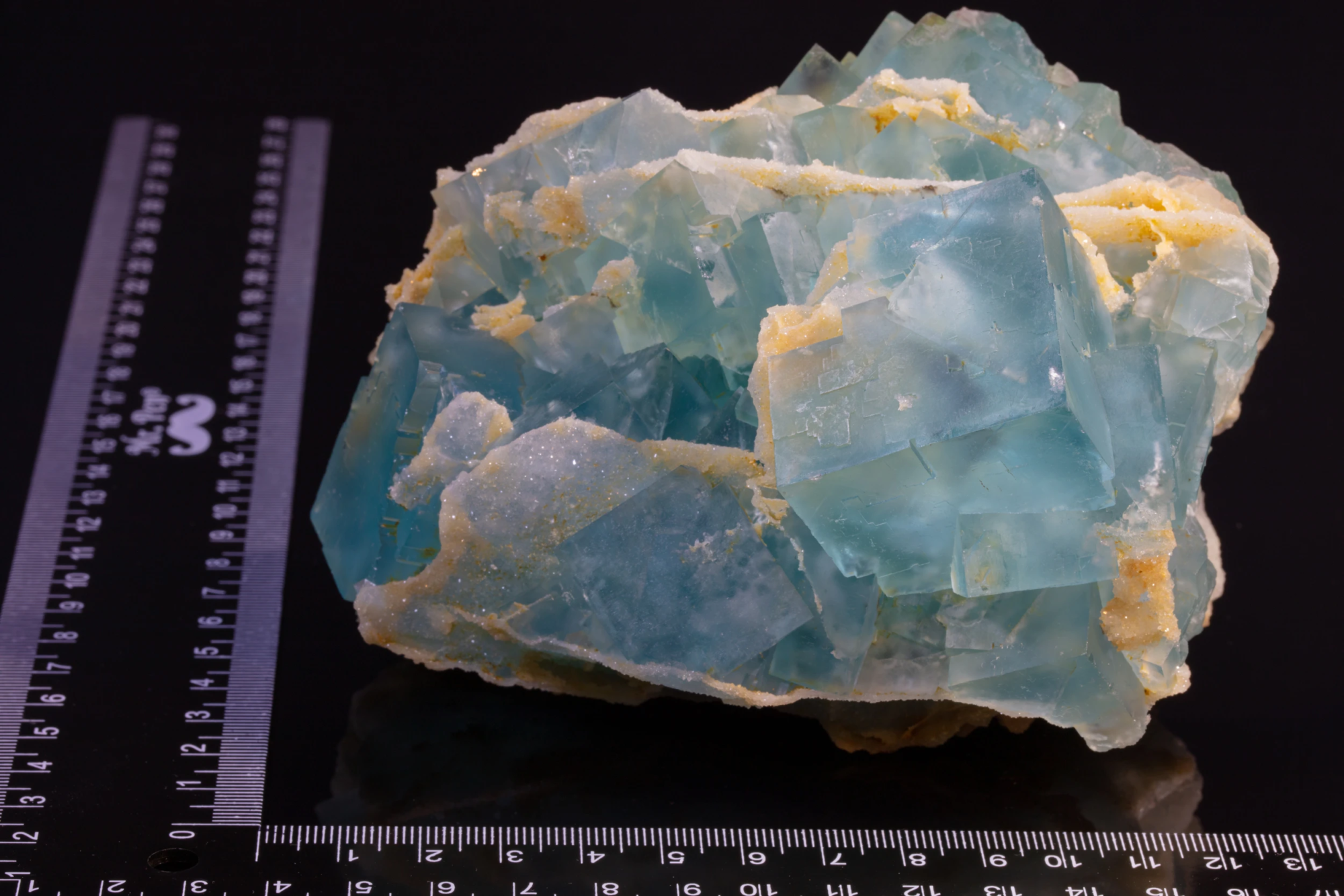 © Minerals Photography — Camarda Visual Studio LLC
https://mineralsphotography.com/wp-content/uploads/2026/04/minerals-photography-scale-bar-04.webp
1667
2500
Charles Camarda
http://mineralsphotography.com/wp-content/uploads/2021/09/mineralsphotographylogo-brun-300x138.png
Charles Camarda2026-04-13 15:19:422026-04-13 17:05:11Mineral Collection and Insurance
© Minerals Photography — Camarda Visual Studio LLC
https://mineralsphotography.com/wp-content/uploads/2026/04/minerals-photography-scale-bar-04.webp
1667
2500
Charles Camarda
http://mineralsphotography.com/wp-content/uploads/2021/09/mineralsphotographylogo-brun-300x138.png
Charles Camarda2026-04-13 15:19:422026-04-13 17:05:11Mineral Collection and Insurance